


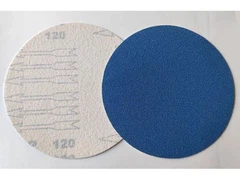
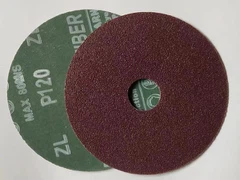
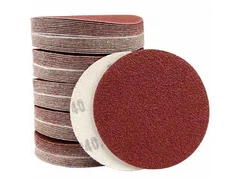


What types of abrasive cloth substrates are commonly used in Flap Discs? What are the differences in wear resistance, flexibility and heat dissipation among these substrates?
Mar 24, 2025
Leave a message
Sanding paper substrate types
Glass fiber substrate
Abrasion resistance: The glass fiber substrate is really strong and has good abrasion resistance. It can handle a lot of grinding force and friction, so it's great for high-intensity grinding like in metal processing.
Flexibility: Compared to other substrates, the flexibility of the glass fiber substrate might not be as good. But with a multi-layer fiber laminated structure, its flexibility can get a bit better.
Heat dissipation: The glass fiber substrate is good at dissipating heat. It helps get rid of the heat quickly during grinding, lowers the temperature of the grinding disc, and makes the abrasive last longer.
Nylon substrate
Abrasion resistance: The nylon substrate has pretty good abrasion resistance. It's not as good as the glass fiber one, but it's fine for normal grinding situations.
Flexibility: Nylon substrate is really flexible. It can fit the surfaces of all kinds of complicated-shaped workpieces easily and give a more even grinding result.
Heat dissipation: The heat dissipation of the nylon substrate might be a little worse than the glass fiber one. But in normal grinding conditions, its heat dissipation is okay for use.
Other composite substrates
Besides the glass fiber and nylon substrates, there are also some composite substrates used to make Flap Discs. These composite substrates are usually made up of several materials to use the good points of each material.
When it comes to abrasion resistance, flexibility, and heat dissipation, the performance of the composite substrates usually depends on the types and proportions of the materials they're made of. For example, some composite substrates might combine the high strength of glass fiber and the flexibility of nylon to give a better overall performance.
Summary of performance differences
Abrasion resistance: Glass fiber substrate > Nylon substrate > Some composite substrates (depending on the materials)
Flexibility: Nylon substrate > Composite substrates (with nylon in them) > Glass fiber substrate
Heat dissipation: Glass fiber substrate > Nylon substrate (but the difference might not be big) > Some composite substrates (depending on the materials and structure)
Send Inquiry