


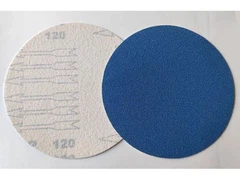
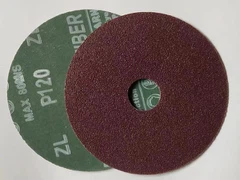
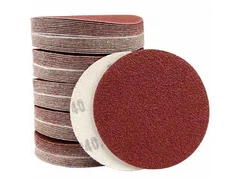


SHAOXING SHANGYU COATED ABRASIVES CO..LTD is located inLianghuIndustrial Zone of Shangyu District, Shaoxing City,It's a specializedcoated abrasive industrial company that collects designing, developingproducing and selling into integration.
Company with"double horse" and"dark horse","shun source""flying wheel" and other brands as the center. The main production waterproolabrasive paper, silicon carbide sand paper, animal glue emery cloth, half resinemery cloth,resin over resin emerycloth, super coated sandpaper and abrasivecloth, metallographic sand paper and related coating with abrasive products.
Why Choose Us
Professional Team
Horizon decided to state,all take the customer as the center, tale the goocfaith as the basic,in order to prefect for the target.Customer satisfactioris our eternal criteria!
High Quality
The product is widely used in machinery, wood, plastics, electronics, instruments, automobiles, shipbuilding, glass and other fields, and is welcomed by customers at home and abroad.
Rich Experience
The main production waterproolabrasive paper, silicon carbide sand paper, animal glue emery cloth, half resinemery cloth,resin over resin emerycloth, super coated sandpaper and abrasivecloth, metallographic sand paper and related coating with abrasive products.
Factory
SHAOXING SHANGYU COATED ABRASIVES CO..LTD is located inLianghuIndustrial Zone of Shangyu District, Shaoxing City,It's a specializedcoated abrasive industrial company that collects designing, developingproducing and selling into integration.
-
![Sanding Belts For Metal]() Sanding Belts For Metal
Sanding Belts For MetalEmery cloth is an abrasive similar to sandpaper, but has a cloth backing instead of a paper backing making it much more durable. It is specifically designed for the metal finishing industry
-
![Abrasive Emery Cloth Sheet]() Abrasive Emery Cloth Sheet
Abrasive Emery Cloth SheetBacking & structure: Cotton-polyester, Close coated. Abrasives: Aluminium Oxide. Bond: animal glue. Grit No:P24-320.
-
![9 x 11 Sandpaper]() 9 x 11 Sandpaper
9 x 11 SandpaperBacking & structure: Cotton-polyester, Close coated. Abrasives: Aluminium Oxide. Bond: animal glue. Grit No:P24-320.
-
![Fine Emery Sheets]() Fine Emery Sheets
Fine Emery SheetsBacking & structure: Cotton-polyester, Close coated. Abrasives: Aluminium Oxide. Bond: animal glue. Grit No:P24-320.
-
![Aluminum Oxide Emery Cloth 60#]() Aluminum Oxide Emery Cloth 60#
Aluminum Oxide Emery Cloth 60#Emery cloth is an abrasive similar to sandpaper, but has a cloth backing instead of a paper backing making it much more durable. It is specifically designed for the metal finishing industry
-
![80 Grit Emery Cloth Roll]() 80 Grit Emery Cloth Roll
80 Grit Emery Cloth RollThis Sandpaper roll is made of aluminum oxide or Zirconia or Ceramicor Diamond, The size of each sandpaper roll is multiple, we can cut asyour requirements. The high quality abrasive paper is soft
-
![80 Grit Sandpaper Roll]() 80 Grit Sandpaper Roll
80 Grit Sandpaper RollThis Sandpaper roll is made of aluminium oxide or Zirconia or Ceramic or Diamond, The size of each sandpaper roll is multiple,we can cut as your requirements. The high quality abrasive paper is soft
-
![mirka sandpaper roll]() mirka sandpaper roll
mirka sandpaper rollEmery cloth is an abrasive similar to sandpaper, but has a cloth backing instead of a paper backing making it much more durable. It is specifically designed for the metal finishing industry
-
![Emery Cloth 120 Grit]() Emery Cloth 120 Grit
Emery Cloth 120 GritThis Sandpaper roll is made of aluminium oxide or Zirconia or Ceramic or Diamond, The size of each sandpaper roll is multiple,we can cut as your requirements. The high quality abrasive paper is soft
-
![Cloth Abrasive Rolls]() Cloth Abrasive Rolls
Cloth Abrasive RollsThis Sandpaper roll is made of aluminium oxide or Zirconia or Ceramic or Diamond, The size of each sandpaper roll is multiple,we can cut as your requirements. The high quality abrasive paper is soft
-
![Shop Rolls]() Shop Rolls
Shop RollsEmery cloth is an abrasive similar to sandpaper, but has a cloth backing instead of a paper backing making it much more durable. It is specifically designed for the metal finishing industry
-
![120 Grit Sand paper]() 120 Grit Sand paper
120 Grit Sand paperSize:230mm*280mm. Backing:Cotton and polyester cloth. Abrasives:Aluminum oxide. Coating:Close coated. Shape:Sheet or roll


