Company Profile


SHAOXING SHANGYU COATED ABRASIVES CO..LTD is located inLianghuIndustrial Zone of Shangyu District, Shaoxing City,It's a specializedcoated abrasive industrial company that collects designing, developingproducing and selling into integration.
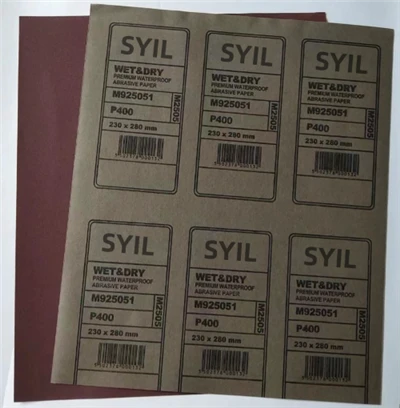
Company with"double horse" and"dark horse","shun source""flying wheel" and other brands as the center. The main production waterproolabrasive paper, silicon carbide sand paper, animal glue emery cloth, half resinemery cloth,resin over resin emerycloth, super coated sandpaper and abrasivecloth, metallographic sand paper and related coating with abrasive products.


Why Choose Us
 
01/

Professional Team
Horizon decided to state,all take the customer as the center, tale the goocfaith as the basic,in order to prefect for the target.Customer satisfactioris our eternal criteria!

02/

High Quality
The product is widely used in machinery, wood, plastics, electronics, instruments, automobiles, shipbuilding, glass and other fields, and is welcomed by customers at home and abroad.

03/

Rich Experience
The main production waterproolabrasive paper, silicon carbide sand paper, animal glue emery cloth, half resinemery cloth,resin over resin emerycloth, super coated sandpaper and abrasivecloth, metallographic sand paper and related coating with abrasive products.

04/

Factory
SHAOXING SHANGYU COATED ABRASIVES CO..LTD is located inLianghuIndustrial Zone of Shangyu District, Shaoxing City,It's a specializedcoated abrasive industrial company that collects designing, developingproducing and selling into integration.


First 12345 Last

What Is Sandpaper?


Sandpaper plays a vital role in a multitude of industries. Woodworkers rely on it to shape and smooth their creations while carpenters use it to achieve a flawless finish. Metalworkers and auto-body repair professionals depend on sandpaper to remove imperfections and create a polished surface. Even in construction and home improvement projects, sandpaper is indispensable for prepping surfaces before painting or applying coatings.
Early sandpapers were made of natural minerals like pumice, flint, garnet, and emery fixed to a paper backing with glue or varnish. Nowadays, most sanding abrasives are synthetic materials — aluminum oxide, silicon carbide, and high-tech ceramic — that stay sharp longer and can be produced in microscopic sizes. Deposited onto backings of paper, cloth, or plastic, they are held in place with tenacious plastic resins that can withstand the heat and speed of machine sanding.


Benefits of Sandpaper
 

Various Particle Sizes for Various Applications
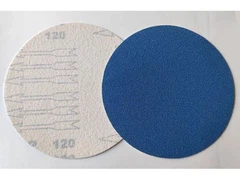
One of the main characteristics of sandpaper is that it comes in a variety of grit sizes, from coarse to fine. This allows for a variety of applications, from heavy-duty material removal to fine surface finishing. Whether it's 120 grit for powerful sanding or 240 grit for a finer smooth finish, a variety of grit sizes are available to meet different project requirements, making sandpaper a versatile and adaptable tool for a variety of tasks.

Customizable Sizes
Another advantage of sandpaper is its ability to be customized to specific sizes to suit the needs of different projects and equipment. Whether it's a large industrial application or a small DIY project, custom size options ensure the sandpaper will fit perfectly, maximizing efficiency and reducing waste. This flexibility in size further enhances the utility and usability of sandpaper in different environments.

Material Options Enhance Performance
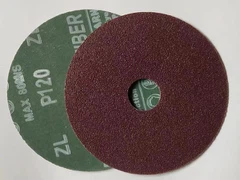
Sandpaper is available in a variety of materials, including silicon carbide, alumino-zirconia, and aluminum oxide, each offering unique properties and performance advantages. Silicon carbide is known for its sharp cutting edges and is ideal for grinding hard materials, while aluminum zirconia and aluminum oxide offer high wear resistance and durability, making them suitable for heavy-duty applications. The availability of different materials enhances the performance and adaptability of sandpaper to meet a variety of material types and project requirements.

High Wear Resistance and Cost-effective
Sandpaper is designed to withstand high levels of wear, ensuring long-lasting performance and cost-effective use. Its high wear resistance allows for extended use without compromising its effectiveness, resulting in less frequent replacement and overall cost savings.


Type of Sandpaper
 

Aluminum Oxide Sandpaper
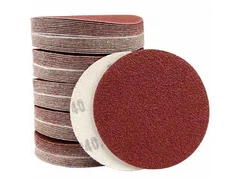
Aluminum Oxide Sandpaper is a widely utilized synthetic material due to its unique ability to provide a wide range of sanding on wood and metal surfaces. When used with a power sander, this sandpaper is especially compelling, as its soft surface easily deteriorates, revealing new edges for sanding wood and prolonging the lifespan of the sandpaper.


Ceramic Sandpaper
Ceramic sandpaper is one of the different types of abrasive paper made from a reddish-brown synthetic substance. It is tough and long-lasting, making it ideal for rigorous sanding. Ceramic sandpaper is great for use with power tools. It may cost more than other different kinds of sandpaper. However, its durability makes it a good investment for those who do a lot of sanding.


Garnet and Flint Sandpaper
Garnet and flint sandpaper are both effective for sanding wood. Garnet sandpaper is usually more expensive than flint sandpaper, but it will last longer and produce a smoother finish. Flint sandpaper is more rugged and can be used for tougher jobs. However, sandpaper’s different types will eventually wear down and must be replaced. Ultimately, the best type of sandpaper to use depends on the project at hand.


Silicon Carbide Sandpaper
Silicon carbide sandpaper is an essential tool for anyone working with metal or plastic. This sandpaper is made from synthetic paper impregnated with silicon carbide particles. These particles are extremely hard, making the sandpaper ideal for hard and soft surfaces.


What Mineral is in Sandpaper?
productcate-1-1
productcate-1-1
productcate-1-1
productcate-1-1

Aluminum Oxide
The most common mineral is aluminum oxide, popular for its sturdy nature and a longer lifespan than others. Aluminum oxide is also the preferred mineral for power-grade sanders. This type of tough abrasive is perfect for metalworking.

Alumina-Zirconia
Another mineral commonly found in sandpaper is alumina-zirconia (more commonly known as ceramic). This mineral is typically blended with other abrasive materials because of the higher expense. However, the grit is sharp and tough, so it is usually applied to glass or other non-metal surfaces.

Silicon Carbide
You might also find silicon carbide in sandpaper. Sandpaper made of this type of mineral only comes in one grade and is best known for sanding wet or dry surfaces. However, one problem with this is that the sandpaper will usually wear out quicker.

Alumina and Diamond
Finally, minerals containing zirconium alumina and alumina are considered robust and most often used in places like foundries. At the same time, other minerals such as diamond or cubic boron nitride are harder and are often used for more restricted, special polishing processes.


Application of Sandpaper

Woodworking
Sandpaper is essential for smoothing rough wood,shaping wooden surfaces, and preparing them for finishing by removing imperfections and old finishes.

Metalworking
In metalworking, sandpaper is used for deburring, shaping, and polishing metal surfaces, aiding in rust removal, paint removal, and the preparation of metal objects for various finishes.

Automotive
Sandpaper plays a significant role in the automotive industry, where it is used for bodywork repair, rust removal, and surface preparation for painting or refinishing.

Construction
Construction professionals rely on sandpaper for tasks like smoothing drywall, removing old paint or wallpaper, and preparing surfaces for painting or other finishes.

Arts and Crafts

Sandpaper is a valuable tool in various art and craft projects, used for sculpting, distressing surfaces, and achieving specific artistic effects.

DIY Home Improvement

Homeowners use sandpaper for a wide range of projects, including furniture restoration, surface preparation, and general repairs.

Woodworking

Sandpaper is essential for smoothing rough wood,shaping wooden surfaces, and preparing them for finishing by removing imperfections and old finishes.


Process of Sandpaper


The sandpaper manufacturing process involves a series of intricate steps that transform raw materials into the versatile tool we rely on for various applications. From the creation of the backing material to the application of abrasive grains and the final packaging, each stage is crucial in producing high-quality sandpaper.

Backing Material Production
With paper-backed sandpaper, wood pulp or synthetic fibers are mixed with water to form a pulp, which is then spread onto a moving mesh screen. As the water drains away, the fibers bond together, forming a continuous sheet of paper. The paper is then dried, smoothed, and cut into rolls or sheets of the desired size for sandpaper production.

For cloth-backed, polyester-backed, or film-backed sandpaper, different techniques are used. Cloth backings are created by weaving or knitting synthetic fibers together to form a flexible and durable material while polyester and film backings are produced through extrusion processes, where molten polyester or film materials are forced through a die to form a thin, continuous sheet.

Adhesive Application
Sandpaper utilizes various types of adhesives, including resin, phenolic, or hide glue. They are applied to the backing material through techniques such as roller coating or spraying. After the backing material passes through a machine where the adhesive is evenly spread onto one side, the sandpaper is ready for the next stage of the manufacturing process.

Coating Abrasive Grains
Several methods are available for coating abrasive grains onto backing materials. In electrostatic coating, the abrasive grains receive an electric charge that attracts them to the adhesive-coated backing. Another method involves creating a slurry of adhesive and grains, which is then applied to the backing. Some sandpapers use glue to bond the material directly to the backing.

After the abrasive grains are applied, the sandpaper goes through a drying and curing process that allows the adhesive to solidify, creating a strong bond between the grains and the backing.

Cutting, Grading, And Packaging
After drying and curing, large rolls of coated sandpaper are slit into narrower widths to create individual sheets or rolls of various sizes. This is typically done using precision slitting machines that cut the sandpaper to the desired widths. Then each sheet or roll is carefully inspected to ensure it meets the desired grit specifications. This grading process ensures consistency and accuracy in the abrasive properties of the sandpaper.


How to Properly Store Sandpaper


Did you know that improper storage of coated abrasive products can have damaging effects on your sanding supplies? It is a fact that abrasives will warp, weaken, or break under inadequate storage conditions. Not only does this render your sanding products useless, it wastes your hard-earned money. But if you simply learn how to store your bulk abrasives properly, you can spare yourself the anguish of throwing them all away when they are ruined.

Climate and humidity levels
Be sure to store your sandpaper sheets, rolls, belts, discs, and all other coated abrasives in a room with controlled temperature and humidity levels. Ideally, these levels should remain between 40% to 50% humidity and 60 to 80 degrees Fahrenheit. If you fail to do this, you risk several unwanted hassles, such as cupping, belt tracking issues, creasing, broken tape joint, and more.

Placement
Not only should you always keep your abrasives in their original packaging when not in use, it is important to place them in the right places; or better yet, not place them in the wrong places. For instance, never store coated abrasive products near cold or damp walls and floors. Moisture exposure will quickly destroy them. And the list of places and things to avoid goes on, including direct sunlight, steam pipes, radiators, furnaces, exhaust systems, as well as, open windows and doors.

Belts
Always precondition your abrasive belts before using them. Simply remove them from the carton so they can have time to adjust to the surrounding air. To store them, find a clean shelf, roll them up, and place them on their edge-side. If you do not have shelf space, you can throw them over a cylinder.


How To Clean Clogged Sandpaper?
 

Using belt cleaning stick or abrasive stick
You can clean the blocked sandpaper with the help of an abrasive cleaning stick. Abrasive sticks, also known as eraser sticks, are rubber sticks used to clean sandpaper that has been gummed up.

Cleaning process
In the sander, place blocked sandpaper. Using a belt sander, use a bend to keep it stable.
Turn on the sander. To sandpaper, place a stick.
Flip the sandpaper over and repeat the process until the blockage is gone.
And there you have it, whole new sandpaper.

Using wire brush
Cleaning blocked sandpaper with this method is the simplest. All you have to do now is brush the sandpaper. Although a wire brush will not give a clean or brand new sandpaper, it will clean the sandpaper to some extent.

Using the sole of a shoe
The most basic and least expensive of all the procedures. All you'll need is an old shoe to get started. Start by putting a sanding belt on the belt sander. Start the sander. Place the sole of the shoe on running sandpaper. If any clog remains, flip the sandpaper and repeat the process.

Using soap and water
Another way of cleaning sandpaper is to soak the paper in mild soap for a few hours. Gently brush debris off with a steel brush. Let it dry, and you will have fresh sandpaper to use.


Our Factory


The product is widely used in machinery, wood, plastics, electronics, instruments, automobiles, shipbuilding, glass and other fields, and is welcomed by customers at home and abroad.

productcate-1-1
productcate-1-1
 
FAQ


Q: What is sandpaper used for?

A: Sandpaper is produced in a range of grit sizes and is used to remove material from surfaces, whether to make them smoother (for example, in painting and wood finishing), to remove a layer of material (such as old paint), or sometimes to make the surface rougher (for example, as a preparation for gluing).

Q: What is sandpaper made out of?

A: Well, Gritty, sandpaper isn't made of ordinary sand. You see, sandpaper is made of abrasive minerals like aluminum oxide or garnet that are glued onto a paper backing. These minerals have sharp points or edges, and that's why sandpaper is considered a cutting tool like a saw or a chisel.

Q: How do you define sandpaper?

A: Sandpaper is a special thick paper with a rough, abrasive surface. Painters will often sand a wall with sandpaper before painting it. Woodworkers use sandpaper to smooth wooden surfaces, and sandpaper is also useful for removing loose paint, grit, or dirt when you're painting or refinishing something.

Q: Is sandpaper soft or rough?

A: Sandpaper grit is sized by a gauge number, with lower numbers signifying larger, coarser grits. For example, #24- or #40-grit sandpaper is a very coarse, rough sandpaper, while the #1,000-grit paper is extremely fine with very small abrasive particles.

Q: How to make your own sand paper?

A: If you really want to try, get yourself some fairly heavy paper, slather on some white glue, cover it with dry sand, and let it dry. Shake off any loose sand, and go at it with your homemade sandpaper.

Q: What did people use instead of sandpaper?

A: Sandpaper is a modern invention. Shark skin was used at one time but that is very expensive. Most woodworkers (even today) use scrapers to get a smooth finish. You can burnish the finish to polish it after scraping.

Q: What is the smoothest grade sandpaper?

A: Ultra-fine sandpaper is the finest. When the grit is between 800 and 1,000, it falls into this category. It's used for polishing surfaces that need a smooth finish or may be susceptible to damage with anything coarser.

Q: What does the p mean on sandpaper?

A: A “P” in front of the grit size indicates that the product is graded in accordance with the European FEPA standard. You should always look for products with a P in front of the grit size as being measured by this standard ensures for an accurate number and a smooth sanding.

Q: What did carpenters use before sandpaper?

A: Prior to its introduction, woodworkers relied on chiefly on skill with a plane and scraper to produce a smooth, flat surface. When abrasives were needed, natural alternatives were available, such as cattails (used by turners), fine sand, and rottenstone (a soft, decomposed limestone). (1) Merrifield, Mary P.

Q: How is most sandpaper made?

A: Generally speaking, sandpaper is produced by coating a backing with a resin and statically charging grains to attract to the adhesive resin. Once the grains are attached to a backing, the sandpaper is dried and cured before being cut into sheets, rolls, or discs.

Q: What is the finest sandpaper you can buy?

A: The finest grade (i.e. ultra-fine) includes 800- and 1,000-grit paper. When choosing sandpaper, it's important to select the right grade for the job. A paper that's too coarse will leave the surface scratched and damaged, while one that's too fine won't do the job.

Q: Can you file metal with sandpaper?

A: It is recommended to use a 320 or higher grit count to sand metal. If you need to polish metal, it is best to use a much finer sandpaper grit. Although you could get away with using something as course as a 320 grit count, is it recommended to use something as fine as 1,200 grit count to achieve the smoothest finish.

Q: What did medieval people use for sandpaper?

A: Common abrasives included rough stones, sharkskin, shells, and even sandstone blocks. These materials were rubbed against the surface to smooth it out and refine its texture. While the process was more labor-intensive compared to modern sandpaper, skilled craftsmen were able to achieve impressive results.

Q: Is emery paper the same as sandpaper?

A: Emery cloth differs to sandpaper in several ways: Emery cloth has the abrasive glued to a cloth rather than paper, which makes it far sturdier and less inclined to tear in use. Emery cloth uses a form of corundum (or corundite) as the abrasive, rather than sand. Emery is longer lasting than sand as a glued abrasive.

Q: What does P240 mean on sandpaper?

A: Very Fine. With a 240 CAMI or FEPA P240 – 360, very fine sandpaper is the least abrasive and is best used when applying sanding finishes between consecutive coats when working with drywall or wood.

Q: How is sandpaper usually sold?

A: Sandpaper sheets can be purchased at any local home improvement store or hardware store, as well as, online through private manufacturers. They usually come in sheets of squares, and are available in a diverse selection of sanding grits, from very course to very fine.

We're well-known as one of the leading sandpaper manufacturers and suppliers in China. Please feel free to buy high quality sandpaper made in China here from our factory. For customized service, contact us now.

Send Inquiry