Company Profile


SHAOXING SHANGYU COATED ABRASIVES CO..LTD is located inLianghuIndustrial Zone of Shangyu District, Shaoxing City,It's a specializedcoated abrasive industrial company that collects designing, developingproducing and selling into integration.
Company with"double horse" and"dark horse","shun source""flying wheel" and other brands as the center. The main production waterproolabrasive paper, silicon carbide sand paper, animal glue emery cloth, half resinemery cloth,resin over resin emerycloth, super coated sandpaper and abrasivecloth, metallographic sand paper and related coating with abrasive products.


Why Choose Us
 
01/

Professional Team
Horizon decided to state,all take the customer as the center, tale the goocfaith as the basic,in order to prefect for the target.Customer satisfactioris our eternal criteria!

02/

High Quality
The product is widely used in machinery, wood, plastics, electronics, instruments, automobiles, shipbuilding, glass and other fields, and is welcomed by customers at home and abroad.

03/

Rich Experience
The main production waterproolabrasive paper, silicon carbide sand paper, animal glue emery cloth, half resinemery cloth,resin over resin emerycloth, super coated sandpaper and abrasivecloth, metallographic sand paper and related coating with abrasive products.

04/

Factory
SHAOXING SHANGYU COATED ABRASIVES CO..LTD is located inLianghuIndustrial Zone of Shangyu District, Shaoxing City,It's a specializedcoated abrasive industrial company that collects designing, developingproducing and selling into integration.


What Are Sanding Discs?


Sanding discs are the part of a sander that actually does all the hard work. There's a ton of different discs for different jobs and getting to know the exact type that you need for the work you have to do is vital for anybody using a sander at work or at home.
Choosing the right disc for the job is essential, as failure to do so can result in a poor-quality finish, or damage to what you're trying to sand.
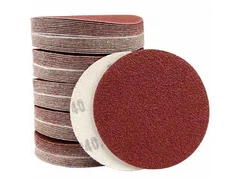
Because of their look and feel, sanding discs are sometimes called sandpaper discs. Like sandpaper, discs are available in a range of types and grit sizes, allowing the operator to use the optimal one for each application. Coarser grit (larger grains) removes materials such as welds on metal or mill marks on wood, while a finer grit (smaller grains) is used to buff out tool marks and smooth the piece’s edges. Abrasive-backed and hook-and-loop discs allow the operator to quickly switch sanding discs when the need arises.


Benefits of Sanding Disc
 

Strong Gripping
When you’re working with a sander, having the disc slip can spell disaster for your job. You don’t have to worry about this happening with hook and loop sanding discs. Hook and loop discs have Velcro on the back, which creates a strong grip once in place. You can sand with the confidence that your disc is going to stay fully in place and that slippage won’t impact the final result.

Easy Swapping
Although hook and loop sanding discs have a strong grip, they can also easily be removed and reinstalled several different times. Simply pull the disc off, and then press it back onto the sander when you’re ready to use it again. This feature lets you move the disc between different sanders, depending on the job you’re doing. It also lets you easily swap between sanding discs with different grit levels, so you can move through different stages of sanding efficiently. Less downtime means faster results.

Versatile Size And Material Variety
Hook and loop sanding discs are available in a variety of sizes, so they can be used with virtually any orbital or disc sander. You can get hook and loop sanding discs in aluminum oxide and silicon carbide options, allowing for work on everything from wood to plastic.


Type of Sanding Disc
 

Resin Fiber Discs
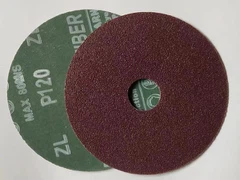
Resin fiber discs are used for a variety of things such as removing stock or unwanted material or they can be used for finishing. The backing – made out of fiber – resists from breaking due to it being very strong and rigid. Resin fiber discs can be used for grinding, finishing, or blending metals. They are very durable and have strong abrasives. These discs come in different abrasives; ceramic and aluminum oxide. You can also get these in different sizes; 4 ½ in , 5 in, and 7 in. If you are looking to remove rust from metals, these resin fiber discs will be a great option. Angle grinders are the power tool that is most used with these discs. This disc comes in grits sizes from 24 up to 120.


Flap Discs
Flap discs have a very strong and sturdy backing and it is made up of small pieces of sandpaper. These discs have layers of sandpaper rather than a single piece of sandpaper. These are coated abrasives that come in different grit sizes. High Density Flap Discs are made from the ceramic material and are very effective. This disc is great for all different types of metals. Polishing, removing stock, and removing rust are just a few of the applications these are used for. If you are smoothing out welds or dealing with metal fabrication in general, these are a great choice and are very popular.


Hook and Loop Discs
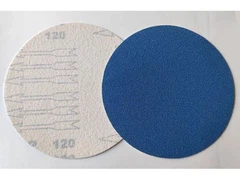
Hook and loop discs come in the most variety of grits from 80 up to 400 so these are suitable for a ton of different jobs. The backing on these is very comparable to velcro. They come in 5 inch and 6 inch along with 9 hole, 8 hole, or no hole. These discs can be used on woods and metals, even other surface materials. You can use a convertor pad if your power tool is not made for these discs. Changing these discs are very easy and user friendly.


Quick Change Discs
Quick change discs are greatly used for tight corners or hard to reach places. They are great for grinding and blending and are an easy product to use. These discs are available in different sizes and grains; ceramic and aluminum oxide. Quick change discs are used for stainless steel, aluminum, carbon steel, etc. These can be used for weld marks or getting rid of machine marks. If your job is in need of a quick alteration, this is a great option for you.


PSA Discs
PSA is abbreviated for pressure sensitive adhesive, meaning they have a sticky backing. These discs are great for longer jobs and projects as the abrasive won't wear out as fast. PSA discs are used on wood, metal, fiberglass, and flat surfaces; although it is important to pick the right grit size for great results. These discs have no holes and come in 5” or 6” aluminum oxide. However, you can also order Cloth PSA Discs in sizes from 5” up to 20”, along with PSA Glass Fabrication discs which are silicon carbide.


Material of Sanding Disc
productcate-1-1
productcate-1-1
productcate-1-1
productcate-1-1

Aluminum Oxide
Aluminum oxide is the most used material for most abrasive products, including sanding discs. This grain is suitable for sanding and grinding a variety of materials such as wood, most metals, and plastics. It is affordable, versatile, and has good durability.

Zirconia Alumina
Zirconia alumina, aka “Zirc”, is tougher than aluminum oxide and is used for sanding harder materials such as stainless steel, cast iron, and titanium. It has a longer lifespan and is more heat-resistant than aluminum oxide, making it ideal for heavy-duty grinding and sanding applications.

Ceramic
Ceramic abrasive material is designed to handle extremely tough sanding applications. It is ideal for grinding hard metals, such as steel and titanium, ferrous metals, and carbon steel. It is extremely durable, self-sharpening (friable), and resistant to heat, making it a good choice for high-speed grinding.

Diamond
Diamond abrasives are the most durable and longest lasting abrasive materials. Diamonds are the hardest naturally occurring substances, making them capable of grinding and sanding extremely hard materials such as concrete, stone, and glass. However, diamonds are obviously very expensive, making these the most expensive abrasive material.

Silicon Carbide
This abrasive material is razor sharp and ranked just slightly below diamonds on the hardness scale. Like ceramic, silicon carbide is also friable/self-sharpening, giving it the ability to have faster removal rates than other abrasives. It is best suited for sanding non-ferrous metals such as brass, copper, and titanium. It is also suitable for grinding glass, plastics, and refinishing hardwood floors.

Non-Woven
Non-woven sanding discs are a bit different than the coated abrasives mentioned above. These discs are constructed with a nylon-webbing, usually impregnated with abrasive grains. They are less abrasive than coated abrasives, making them ideal for finishing surfaces.


Key Differences Between Flap Discs And Sanding Discs


Flap discs and sanding discs have differences in material composition, performance, surface finish quality, cost, and suitability for various tasks and materials.

Material composition and structure
Flap discs are made with overlapping layers of abrasive cloth bonded to a central hub. This structure allows for the gradual exposure of new abrasive surfaces as the disc is used, contributing to its longevity and consistent performance. Sanding discs, on the other hand, consist of abrasive grains attached to a paper or cloth backing. Once the top layer of abrasive is worn down, the disc must be replaced.

Performance and durability
Flap discs are known for their durability and longevity. The layered design not only provides a more consistent finish over time but also withstands higher pressures during grinding or finishing operations. This makes flap discs highly effective for heavy-duty tasks. Sanding discs may wear out more quickly, especially when used on tougher materials or with heavy pressure, requiring more frequent replacement.

Surface finish quality
Both flap discs and sanding discs can achieve high-quality surface finishes, but the type of finish and the effort required can differ. Flap discs are capable of removing material quickly with coarser grits or achieving a smooth finish with finer grits. Sanding discs, particularly those with fine grits, are excellent for achieving a smooth finish on surfaces but may require additional steps or different grit sizes to remove material and then finish smoothly.


The Main Production Process Of Sanding Discs


Backing cutting and processing. The substrate used for the back plate of the sand plate has steel paper, fiberglass backing, plastic and metal and other several, some collective can cut pieces, such as steel paper; Some also need to be treated, such as plastic backing and metal backing, in order to improve the surface adhesion.

The ingredients. The binder is usually epoxy resin, with curing agent, filler (calcium carbonate, quartz powder, etc.) and diluent added. Configuration requirements are the same as flap wheels.
Glue. Glue on the base material, uniform and consistent, the amount of glue to meet the requirements.

The curing. Put the sanding discs into the oven and solidify in a certain temperature and time according to the requirements of the binder.

Inspection and packaging. According to the requirements of the product standard, the product shall be inspected and marked with the following marks: grain size, registered trademark, manufacturer name, rotation direction, speed of use and date of manufacture, and then packaged as required.


How to Use a Sanding Disc
 

Using a sanding disc is a straightforward process that requires a few simple steps. By following these instructions, you can achieve the best results and ensure your project is completed efficiently.

Prepare the sanding disc: Before attaching the sanding disc, make sure your sanding disc is in proper working condition. Check that the tool is clean and free from any debris or damage. It's also important to ensure that the sanding disc is securely held and comfortable to handle.
Choose the Correct Sanding Disc: Depending on the task at hand, select the appropriate sanding disc for your sanding disc. Consider the material you are working with and the desired finish. Different grits are available, ranging from coarse to fine, so choose the one that suits your needs.

Attach the Sanding Disc: With the sanding disc turned off, attach the sanding disc to the spindle or mandrel of the tool. Ensure that it is securely fastened to prevent any accidents during operation. Follow the manufacturer's instructions for proper attachment.

Safety Precautions: Before starting the sanding disc, put on safety goggles and protective gloves to shield yourself from any flying debris. It's also advisable to wear a dust mask to avoid inhaling particles.

Start Sanding: Switch on the sanding disc and hold it firmly with both hands. Begin sanding the surface, applying light pressure and moving the tool in a controlled manner. Keep the sanding disc flat against the material to achieve an even finish.

Work in Sections: If you are working on a larger surface, it's recommended to divide it into smaller sections. This approach allows for better control and ensures that the sanding is consistent throughout the project.

Regularly Inspect the Disc: Periodically check the sanding disc for wear and tear. If it becomes worn or damaged, replace it with a new one to maintain optimal performance.

Remember, practice makes perfect when it comes to using a sanding disc. Take your time, be patient, and experiment with different techniques to achieve the desired results. With proper technique and the right sanding disc, you can achieve a smooth and professional finish on your projects.


Proper Use, Care, And Storage Of Sanding Discs


Though tough, sanding discs aren’t indestructible. Improper use, care, and storage can quickly damage the abrasive, rendering it useless. So, consider the following care and maintenance tips to prolong the life of your sanding abrasives.

Use abrasives for the intended purpose: Never use wood sandpaper on metal or vice-versa. Similarly, only use abrasives on compatible sanding tools.

Start with lower grit numbers and advance gradually: Using higher grit numbers, then moving back to lower grits undoes all the previous work. Additionally, jumping several grit values may result in an uneven and poor finish.

Always wear protective equipment: Sanding exposes you to flying debris, sparks, and hot surfaces. So, you need PPEs, including protective glasses, a face shield, and hand gloves, for protection.

Don’t apply too much speed or pressure: Running sanders at very high speeds increases the risk of accidents and machine damage. Similarly, very high pressures may damage the disc or workpiece.

Store them in a cool, dry place: We recommend storing sanders in dry, frost-free conditions at 18-22 degrees Celsius and 45-65% relative humidity.


Our Factory


The product is widely used in machinery, wood, plastics, electronics, instruments, automobiles, shipbuilding, glass and other fields, and is welcomed by customers at home and abroad.

productcate-1-1
productcate-1-1
 
FAQ


Q: What sanding discs do I need?

A: Generally, the lower the grit number, the more abrasive the disc. It's essential to understand grit sizes and their applications before selecting the right disc. For example, a lower grit like 36-60 is suitable for initial coarse sanding, whereas, a higher grit like 120-220 is ideal for finishing and polishing.

Q: What is the application of sanding disc?

A: Sanding discs can quickly and easily wear down body filler to create a smooth base ready for paint application on larger areas. They can also be used on smaller areas of body filler to help the original paint blend into these spots.

Q: What are film sanding discs used for?

A: Film discs are engineered for final dry finishing primed and paint surfaces, varnishes, composites and gel coats to produce superior finishing without sacrificing cut rate. The polyester film backing has optimal flexibility, tear resistance and flatness for a quality finish and improved life.

Q: What grit sanding disc to remove paint?

A: For removing paint, you'll want to start with a relatively coarse grit sandpaper. A P60-P80 grit is a good starting point as it will quickly remove the top layers of paint without gouging into the wood.

Q: Why do my sanding discs keep falling off?

A: If you are experiencing issues with your sanding discs not sticking to your sander, it's likely because the hooks on your sander's back-up pad are worn out. These hooks, which hold the loop backing of the sandpaper discs, can soften and melt over time due to the heat generated during constant sanding.

Q: How to tell when sandpaper is used up?

A: The easiest way to tell when it's time to change the sandpaper is to run your finger lightly over the part of the paper you've been using, and do the same over a part that is still new - the part that is wrapped around a sanding block, for example.)

Q: What is the only part of the disc sander that should be used?

A: Keep your fingers at least 1 inch away from the belt or disc. When using the disc sander, sand only on the side of the disc that is moving DOWN towards the table. Keep materials flat on the table while sanding.

Q: What is the only side of the disc sander that can be used safely?

A: Always note the direction of rotation of the abrasive disc as you only want to put work pieces in contact with the disc on the downward motion side (See attached diagram). As with all shop tools, there are many potential hazards associated with their use and exposure.

Q: Can you cut sanding discs?

A: Yes, another option is a holesaw minus the teeth (but sharpened to a smooth cutting edge with a file) and center drill bit. Place it in your drill press, put the sandpaper on top of a wood block, turn on the DP, and start cutting out our sandpaper.

Q: Can you put a sanding disc on a grinder?

A: Actually yes! You can install a sanding disk or flappers and really go to town on a sanding project. You have to be quite careful however, as this combination is extremely powerful. And can sand right through something in short order.

Q: What is the difference between Type S and Type R sanding discs?

A: Type R attachment systems feature roll-on/roll-off style fasteners (External Thread). They are interchangeable with Roloc, TR and Type III Styles. Type S attachment systems feature a turn-on/turn-off style fastener (1/4-1/2 turn to lock in place). They are interchangeable with TS and Type II Styles.

Q: What grit sanding discs do I need?

A: 40-grit discs are best for heavy sanding jobs, such as removing paint or rust. 60-grit discs are perfect for general-purpose sanding. If you want to remove scratches or prepare a surface for painting, 80-grit discs are best. 100-grit discs work best for final sanding jobs, such as giving a surface a smooth finish.

Q: What does hook and loop sanding discs mean?

A: Hook-and-loop sandpaper features a unique backing made of a material similar to Velcro, with hooks and loops that allow the sandpaper to easily attach to a machine such as a random orbital sander or disc sander. This makes it incredibly easy to switch out sandpaper as needed.

Q: What kind of surface is a disc sander best used for?

A: Random orbital disc sanders are particularly effective at removing paint, varnish, and other finishes from wood, metal, or plastic surfaces, as well as smoothing and shaping surfaces. Their sanding discs are usually attached using a hook-and-loop system for easy and quick changing during projects.

Q: What will happen if you sand on the wrong side of the disc sander?

A: Sand on downward side of disc. Sanding on the upward side could cause the workpiece to fly up causing injury. ALWAYS maintain a maximum clearance of 1/16" or less between the table or backstop and the sanding belt or disc. NEVER wear gloves or hold the work with a rag when sanding.

We're well-known as one of the leading sanding disc manufacturers and suppliers in China. Please feel free to buy high quality sanding disc made in China here from our factory. For customized service, contact us now.

Send Inquiry