Company Profile


SHAOXING SHANGYU COATED ABRASIVES CO..LTD is located inLianghuIndustrial Zone of Shangyu District, Shaoxing City,It's a specializedcoated abrasive industrial company that collects designing, developingproducing and selling into integration.
Company with"double horse" and"dark horse","shun source""flying wheel" and other brands as the center. The main production waterproolabrasive paper, silicon carbide sand paper, animal glue emery cloth, half resinemery cloth,resin over resin emerycloth, super coated sandpaper and abrasivecloth, metallographic sand paper and related coating with abrasive products.


Why Choose Us
 
01/

Professional Team
Horizon decided to state,all take the customer as the center, tale the goocfaith as the basic,in order to prefect for the target.Customer satisfactioris our eternal criteria!

02/

High Quality
The product is widely used in machinery, wood, plastics, electronics, instruments, automobiles, shipbuilding, glass and other fields, and is welcomed by customers at home and abroad.

03/

Rich Experience
The main production waterproolabrasive paper, silicon carbide sand paper, animal glue emery cloth, half resinemery cloth,resin over resin emerycloth, super coated sandpaper and abrasivecloth, metallographic sand paper and related coating with abrasive products.

04/

Factory
SHAOXING SHANGYU COATED ABRASIVES CO..LTD is located inLianghuIndustrial Zone of Shangyu District, Shaoxing City,It's a specializedcoated abrasive industrial company that collects designing, developingproducing and selling into integration.


  • Power Sanding Disc

    Fiber Abrasive Discs are heavy-duty abrasive discs for aggressive weld removal, metal grinding, and blending on large/small surfaces. Their vulcanized fiber backing ensures durability and

  • Sanding Disc For Grinder

    Fiber discs are heavy-duty discs ideal for weld removal, grinding, and blending largeand small areas of metal surfaces.They feature a tough, stiff backing made fromvulcanized fiber that resists wear

  • Resin Fiber Sanding Discs

    Fiber discs are heavy-duty discs ideal for weld removal, grinding, and blending largeand small areas of metal surfaces.They feature a tough, stiff backing made fromvulcanized fiber that resists wear

  • Angle Grinder Sanding Disc

    Fiber discs are heavy-duty discs ideal for weld removal, grinding, and blending largeand small areas of metal surfaces.They feature a tough, stiff backing made fromvulcanized fiber that resists wear

  • SiC resin fiber grinding disc

    Fiber discs are heavy-duty discs ideal for weld removal, grinding, and blending largeand small areas of metal surfaces.They feature a tough, stiff backing made fromvulcanized fiber that resists wear

  • SiC resin fiber disc

    Fiber discs are heavy-duty discs ideal for weld removal, grinding, and blending largeand small areas of metal surfaces.They feature a tough, stiff backing made fromvulcanized fiber that resists wear

  • Resin Fiber Sanding Discs 120

    Fiber discs are heavy-duty discs ideal for weld removal, grinding, and blending largeand small areas of metal surfaces.They feature a tough, stiff backing made fromvulcanized fiber that resists wear

  • Resin Fiber Grinding Disc

    Fiber discs are heavy-duty discs ideal for weld removal, grinding, and blending largeand small areas of metal surfaces.They feature a tough, stiff backing made fromvulcanized fiber that resists wear

  • Fiber Polishing Disc

    Fiber discs are heavy-duty discs ideal for weld removal, grinding, and blending largeand small areas of metal surfaces.They feature a tough, stiff backing made fromvulcanized fiber that resists wear

  • Silicon Carbide Fiber Disc

    Fiber discs are heavy-duty discs ideal for weld removal, grinding, and blending largeand small areas of metal surfaces.They feature a tough, stiff backing made fromvulcanized fiber that resists wear

  • Resin Fiber Sanding Discs 80#

    Fiber discs are heavy-duty discs ideal for weld removal, grinding, and blending largeand small areas of metal surfaces.They feature a tough, stiff backing made fromvulcanized fiber that resists wear

  • Abrasive Fiber Disc

    Fiber discs are heavy-duty discs ideal for weld removal, grinding, and blending largeand small areas of metal surfaces.They feature a tough, stiff backing made fromvulcanized fiber that resists wear
First 12 Last

What Is Fiber Disc?


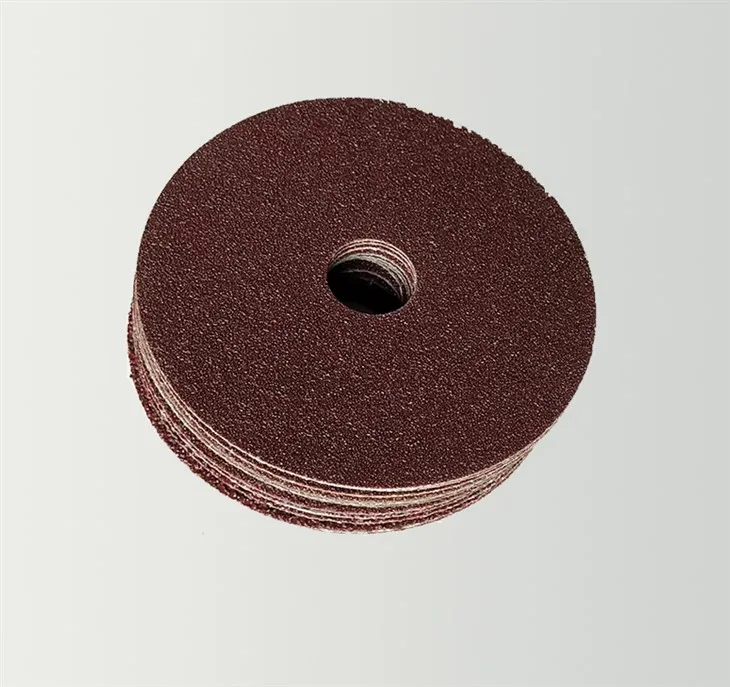
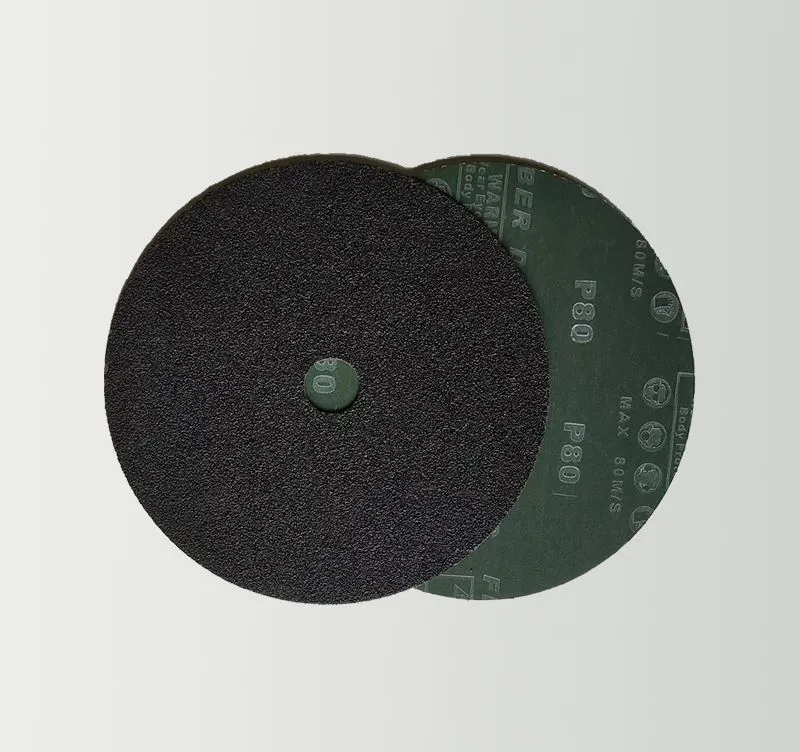
Fiber discs, also known as vulcanized fiber discs, are flat, circular abrasive tools primarily composed of layers of vulcanized fiber reinforced with a resin-bonded abrasive. The central hole in the disc allows it to be mounted on an angle grinder or other compatible tools. These discs come in various sizes and grits, offering versatility for a range of applications.
Fiber discs are one of the most popular forms of abrasive grinding and finishing products. When used properly, they can do just about any grinding application that wheels can do — it all comes down to using the right disc for your application.


Benefits of Fiber Disc
 

Climate Control
Fiber discs are sensitive to environmental conditions, and their performance can be significantly affected by temperature and humidity fluctuations. Storing these discs in a climate-controlled environment within the recommended temperature range is crucial. Extreme temperatures can compromise the resin bonding and backing material, leading to diminished performance.

Dry Storage
Moisture, a common adversary for all types of grinding discs, poses a particular threat to resin-bonded discs. Exposure to humidity can degrade the adhesive properties of the resin, resulting in premature failure during use. Therefore, it is imperative to store fiber discs in dry conditions, preferably in well-ventilated areas. In instances where discs come into contact with water, thorough drying before use is essential.

Avoiding Contamination
Fiber discs should be stored away from chemicals, solvents, and any substances that might compromise their structural integrity. Contaminants can adversely affect the bonding agent, leading to reduced performance and potential safety hazards. A designated storage area free from such contaminants is ideal.

Proper Labeling
Organizing and clearly labeling storage areas for fiber discs facilitate easy identification of grit sizes, materials, and intended applications. This organizational strategy streamlines the selection process, preventing errors and optimizing operational efficiency. Well-labeled storage ensures that users can quickly access the right discs for specific tasks.


Type of Fiber Disc
 

Aluminum oxide
Alumina is the most familiar abrasive grain and delivers excellent cut rates and sturdiness. This Aluminum Oxide Resin Fiber Disc is a popular and commonly used abrasive grain that tends to lower the user's initial cost.


Zirconium
Zirconium, the foremost popular grain utilized in fiber discs, features long-life when used in high applications that include blending, deburring, and weld removal. Generally, Zirconia Resin Fiber Disc products tend to possess 2-3 times the lifetime of their alumina equivalents. There are three fiber discs using zirconium as abrasive grain.


Ceramic
Ceramic grain's maximum productivity and performance are tough to beat. Ceramic grain easily removes material and is the right choice for users who want to urge work done faster. The unique structure of ceramic grain, with significantly more fracture points, allows for more cutting power. Because of its self-sharpening nature, ceramic features fast stock removal, less friction, and cooler grinding. Ceramic Resin Fiber Discs makes ceramic ideal to be used on heat-sensitive materials and high-tensile alloys, also as steel.


Silicon Carbide
Silicon carbide features a unique grain structure; its abrasive grain can cut very quickly due to the sliver the shape of the grain. While relatively fragile, this structure makes it ideal to aggressively grind concrete, marble, granite, and other stonework. It performs alright on tough metals (cast iron, carbide, etc.) and titanium.


Application of Fiber Disc
productcate-1-1
productcate-1-1
productcate-1-1
productcate-1-1

Fiber discs are abrasive tools composed of a reinforced backing material, typically made of vulcanized fiber, layered with abrasive grains, and a resin bond. This unique construction provides the discs with durability, flexibility, and exceptional cutting power. Here are some of the primary uses of fiber discs:

Material Removal and Surface Preparation
One of the key functions of fiber discs is material removal and surface preparation. They are highly effective at quickly removing stock from a variety of materials, including metal, wood, plastic, and composites. This makes them an essential tool in tasks such as deburring, shaping, and leveling surfaces.

Grinding and Blending
Fiber discs are adept at grinding and blending operations. They can be used to smooth out rough edges, weld seams, and surface imperfections. This capability is particularly valuable in metalworking applications where achieving a smooth, uniform finish is critical.

Finishing and Polishing
Fiber discs are versatile enough to not only remove material but also provide a fine finish. With the right grit and technique, they can be used for finishing and polishing applications, leaving surfaces with a smooth, refined appearance.

Heavy-Duty Applications
Due to their robust construction, fiber discs are well-suited for heavy-duty applications. They can withstand high-pressure and high-speed operations without compromising their integrity, making them suitable for demanding tasks in industrial settings.

Weld Seam Blending
In metalworking, after welding operations, there is often a need to blend and smooth out weld seams. Fiber discs, with their aggressive cutting action, are excellent tools for this task, allowing for precise and controlled blending of welds.


Tips For Using Fiber Discs In Fabrication


Among these tools, fiber discs stand out as a versatile and essential abrasive for a wide range of applications. From grinding and blending to deburring and finishing, fiber discs offer a cost-effective solution for fabricators. However, to fully harness the benefits of fiber discs, it’s crucial to follow specific best practices that ensure optimal performance, longevity, and safety.
Getting Pressure Right
The efficiency and effectiveness of using fiber discs heavily depend on the application of the correct downforce pressure. Applying too much pressure can lead to several issues, including excessive material removal, premature disc wear, and increased heat generation. On the other hand, insufficient pressure might result in inadequate material removal, prolonging the task unnecessarily.
Using the Right Grinder
Pairing the right type of grinder with the specific fiber disc is pivotal for achieving optimal performance. Grinders come in various types and sizes, each designed for different applications and disc sizes. Choosing the right grinder not only ensures efficient operation but also enhances safety during use.
Safety First
Working with fiber discs involves the use of power tools and abrasives, making safety a top priority. Adhering to safety protocols not only protects the fabricator but also ensures the quality of work and longevity of the tools.
Storing Fiber Discs Right
Proper storage of fiber discs plays a significant role in maintaining their performance and lifespan. Exposure to moisture, temperature fluctuations, and contaminants can adversely affect the quality of the discs.


How To Properly Store And Maintain Fiber Discs


Cleanliness: Ensure that the storage area is clean and dry. Dust, dirt, and moisture can damage the abrasive material, affecting its performance and durability. Regularly clean the storage shelves or racks to remove any debris.

Temperature and Humidity: Extreme temperatures and high humidity can affect the adhesive properties of the fiber discs, causing them to lose their grip or separate from the backing pad. Store the discs in a temperature-controlled environment, avoiding areas that are too hot or too cold.

Flat Storage: Stacking fiber discs on top of each other can lead to warping or damage to the abrasive surface. Instead, store them flat on shelves or racks, ensuring that each disc has its own space and is not compressed.

Protective Packaging: When storing fiber discs, it is recommended to keep them in their original packaging or use protective covers to shield them from dust and moisture. This packaging often provides additional protection and preserves the discs' integrity.

Inspect Before Use: Before using a fiber disc, always inspect it for any visible damage, such as tears, cracks, or missing abrasive material. Damaged discs should be discarded immediately to avoid safety hazards.

Regular Cleaning: Remove dust and debris from the abrasive surface after each use. This can be done with a brush or compressed air. Regular cleaning keeps the discs effective and extends their lifespan.

Avoid Contamination: Fiber discs should be kept separate from other abrasive materials or tools that may contaminate them. Mixing different grit sizes or materials can affect the disc's performance and safety.

Correct Speed and Pressure: When using fiber discs, follow the manufacturer's recommendations for the correct speed and pressure. Operating at too high a speed or applying excessive pressure can prematurely wear out the discs and affect their performance.

Proper Disc Replacement: Replace worn-out fiber discs promptly. Signs of wear include dulling of the abrasive surface, tearing, or uneven wear patterns. Using worn-out discs can affect the quality of the finish and may even pose a safety risk.


Key Differences Between Fiber Discs and Flap Discs
 

Structure
The fundamental difference lies in their structure. Fiber discs are composed of layers of vulcanized fiber with abrasive material bonded to the surface, while flap discs consist of overlapping abrasive flaps arranged radially around a central hub.

Flexibility vs. Aggressiveness
Fiber discs offer greater flexibility and conformability to irregular surfaces, making them suitable for tasks requiring a smooth finish. In contrast, flap discs are more aggressive, providing rapid material removal and consistent cutting action.

Heat Generation
Fiber discs generate less heat during grinding, making them suitable for applications where minimizing heat-related issues is crucial. Flap discs, while efficient, may generate more heat due to their aggressive cutting action.

Wear Characteristics
Fiber discs wear more uniformly across their surface, whereas flap discs exhibit gradual wear with constant exposure to fresh abrasive material. This characteristic contributes to the extended lifespan of flap discs.

Application Specificity
Fiber discs are often chosen for their versatility and suitability for tasks requiring flexibility, while flap discs are preferred for aggressive stock removal and tasks where durability and longevity are key.


Guidance on when to use fiber discs vs. louver discs


When to Use Fibre Discs
 

Heavy Stock Removal
Fibre discs excel in applications that require significant material removal. Their rigidity and durability make them ideal for grinding down welds, removing burrs, or shaping and smoothing metal surfaces.

Deburring and Edge Beveling
The precision and control provided by fibre discs make them effective for deburring and edge beveling tasks. The consistent performance ensures that sharp edges are smoothed without compromising the integrity of the workpiece.

Metalworking Applications
Fibre discs are commonly used in metalworking applications, such as weld preparation, surface blending, and rust removal. Their resistance to wear and ability to run cooler contribute to their effectiveness in these tasks.

productcate-1-1

When to Use Flap Discs


productcate-1-1

Surface Blending and Finishing
Flap discs are excellent for surface blending and finishing applications where a smoother surface is desired. They are commonly used for removing surface imperfections, paint, or rust while providing a polished finish.

Contour Grinding
The flexibility of flap discs makes them ideal for contour grinding on curved or irregular surfaces. Whether it’s shaping metal or refining a weld, flap discs conform to the workpiece for efficient material removal.

Deburring and Chamfering
Flap discs are effective for deburring and chamfering edges. The ability to blend edges while simultaneously removing burrs makes them a versatile choice for precision work.


Our Factory


The product is widely used in machinery, wood, plastics, electronics, instruments, automobiles, shipbuilding, glass and other fields, and is welcomed by customers at home and abroad.

productcate-1-1
productcate-1-1
 
FAQ


Q: What is a Fiber Disc and What is it Used For?

A: A fiber disc is an abrasive product made of woven fabric that is impregnated or coated with abrasive grains. These discs are designed for a wide range of surface preparation tasks, including grinding, deburring, finishing, and polishing. They are commonly used in metalworking, woodworking, and automotive industries.

Q: What Materials Can Fiber Discs Be Used On?

A: Fiber discs can be used on a variety of materials, including metals (steel, aluminum, brass), plastics, composites, and wood. Their versatility makes them suitable for both ferrous and non-ferrous metals.

Q: What Are the Advantages of Fiber Discs Over Other Abrasive Products?

A: Fiber discs offer several advantages, such as consistent cutting action, reduced clogging, and the ability to maintain sharp edges throughout their lifespan. Additionally, they generate minimal heat, which helps prevent damage to the workpiece. They are also available in different shapes and sizes to accommodate various applications and tools.

Q: How Do I Choose the Right Fiber Disc for My Application?

A: Selecting the right fiber disc involves considering the type of material, the desired finish quality, the hardness of the material, and the required grit size. For harder materials or aggressive applications, a coarser grit is typically used, while finer grits are chosen for achieving a smooth finish.

Q: What Grit Sizes Are Available for Fiber Discs?

A: Fiber discs are available in a wide range of grit sizes, typically from 24 to 400. The grit size indicates the coarseness or fineness of the abrasive; lower numbers denote coarser grits, and higher numbers denote finer grits. The choice of grit size depends on the material removal rate required and the final surface finish desired.

Q: Can Fiber Discs Be Used Wet or Dry?

A: Most fiber discs are designed for dry use, but there are also wet-use fiber discs available that are specially formulated to withstand water and provide a cooler cutting action. Always check the product specifications to determine if a fiber disc is suitable for wet applications.

Q: How Long Do Fiber Discs Last?

A: The longevity of a fiber disc depends on various factors, including the abrasive material, grit size, the material being worked on, and the operator's technique. Generally, harder materials and coarser grits result in faster wear. Proper tool selection and technique can help extend the life of the disc.

Q: What Safety Precautions Should Be Taken When Using Fiber Discs?

A: When using fiber discs, it is essential to wear appropriate personal protective equipment (PPE), such as safety glasses, a dust mask or respirator, and gloves to protect against flying debris and dust. Ensure good ventilation in the working area to minimize the inhalation of dust.

Q: How Should Fiber Discs Be Stored?

A: Store fiber discs in a dry, cool place away from direct sunlight and heat sources. They should be kept in their original packaging to prevent contamination and damage. Avoid storing them in areas with high humidity to prevent the development of mold or mildew.

Q: Can Fiber Discs Be Reused or Cleaned?

A: Once a fiber disc becomes clogged with debris or loses its cutting efficiency, it should be replaced. Clogging can lead to reduced performance and even cause damage to the workpiece. Some discs may have a removable backing that allows for replacement of the abrasive layer, but this is not common for all types of fiber discs.

Q: What Are the Different Bond Types for Fiber Discs?

A: Fiber discs can be manufactured with different bond types to suit various applications. Common bond types include resin bond for general purpose use, ceramic bond for heavy-duty applications, and phenolic resin bond for high-temperature applications. The bond type affects the disc's durability and cutting action.

Q: How Do I Attach a Fiber Disc to an Abrasive Wheel Tool?

A: To attach a fiber disc to an abrasive wheel tool, such as an angle grinder, ensure that the tool is turned off and unplugged. Align the hole in the center of the disc with the arbor of the tool and tighten the nut securely. Always check that the disc is securely attached before turning on the tool.

Q: What is the difference between a fiber disc and a flap disc?

A: The fundamental difference lies in their structure. Fiber discs are composed of layers of vulcanized fiber with abrasive material bonded to the surface, while flap discs consist of overlapping abrasive flaps arranged radially around a central hub.

Q: Is resin the same as plastic?

A: While resin is a type of plastic, it is not your generic plastic, for instance what you'd find on a cheap plastic planter. Instead, resin-based products are uniquely durable – read on to find out why.

Q: What is a fiber wheel used for?

A: Fiber discs are one of the most popular forms of abrasive grinding and finishing products. When used properly, they can do just about any grinding application that wheels can do — it all comes down to using the right disc for your application.

Q: What is the best type of flap disc?

A: Zirconia flap discs used to be the most popular choice for grinding steel and while they can still be used on steel, ceramic flap discs are a much better option. Ceramic flap discs deliver the best results compared to all other grits, plus they are longer lasting and can be used on all metals including aluminium.

Q: Which is better fiber disc or grinding wheel?

A: If you need to remove a lot of material quickly, and the finish is not important, grinding discs are generally a better choice. They are more aggressive and can remove material faster than flap discs. However, if you need to contour or smooth a surface, flap discs are a better choice.

Q: What should you not do with a disc sander?

A: Do not operate machines with torn or ripped belts or disks. Do not sand any material that will give off a dangerous dust. Such materials as beryllium or copper beryllium alloys must not be sanded or filed. Asbestos must not be sanded.

Q: What is a Fiber Disc, and How Does It Work?

A: A fiber disc is an abrasive tool made by bonding abrasive grains onto a woven fiber substrate. The abrasive grains cut, grind, or finish surfaces as the disc rotates at high speeds when mounted on an electric grinder or similar tool. The disc's effectiveness depends on the type and size of the abrasive grains, as well as the bond strength holding the grains in place.

Q: Can Fiber Discs Be Used Wet or Dry?

A: Most fiber discs are designed for dry use only, as the resin bond can break down when exposed to moisture. However, there are specialized wet/dry discs that are engineered to withstand water and are often used to control dust and heat during grinding. Always check the manufacturer's recommendations before using a disc wet.

We're well-known as one of the leading fiber disc manufacturers and suppliers in China. Please feel free to buy high quality fiber disc made in China here from our factory. For customized service, contact us now.

Send Inquiry