




In metal processing and wood sanding scenarios, how do the abrasive types of Flap Disc and the bonding process of sandpaper substrates enhance wear resistance and flexibility?
Mar 24, 2025
Leave a message
The Impact of Abrasive Types on Wear Resistance
Choosing the Right Abrasives:
Metal Processing: When it comes to metal processing, usually, abrasives with high hardness and good wear resistance are picked, like alumina, silicon carbide, diamond, or CBN (cubic boron nitride). These abrasives can cut the metal surface effectively and reduce wear.
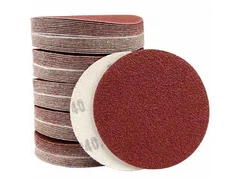
Wood Sanding: For wood sanding, the sharpness and self-sharpening ability of the abrasives are more important to make sure the sanding is efficient and the surface is smooth. Common abrasives include alumina and silicon carbide, but the particle size is usually finer to avoid causing too much damage to the wood surface.
Abrasive Particle Size and Distribution:
The size of the abrasive directly affects the grinding efficiency and the quality of the surface. Coarser abrasives are good for rough grinding and can remove material quickly; while finer abrasives are better for fine grinding and can give a smoother surface.
A reasonable distribution of the abrasive can make sure the grinding process is even and reduce local wear and overheating.
The Impact of Sandpaper Base Materials and Bonding Processes on Flexibility
Choosing the Sandpaper Base Materials:
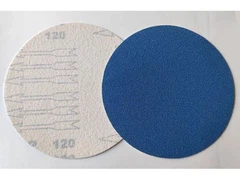
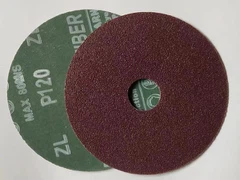
Flexibility: The flexibility of the sandpaper base material directly affects how the Flap Disc can bend and fit complex shapes. Choosing a sandpaper base material that's really flexible, like a multi-layer fiber laminated structure, can make the grinding disc more flexible.
Strength and Wear Resistance: At the same time, the sandpaper base material also needs to be strong and have good wear resistance to support the abrasive and resist wear.
Optimizing the Bonding Processes:
Choosing the Bonding Agent: The performance of the bonding agent has a big influence on how well the abrasive sticks to the sandpaper base material. Choosing a bonding agent that's strong, can handle high heat, and is flexible can make sure the abrasive is firmly attached to the sandpaper base material and keeps performing well during grinding.
Controlling the Bonding Process: Controlling the bonding process is also very important. Things like how much bonding agent is used, whether it's spread evenly, the curing temperature, and the time all need to be controlled precisely to make sure the bonding quality is stable and the same every time.
Strategies for Improving Wear Resistance and Flexibility Together
Customized Design: Based on specific processing needs and the characteristics of the materials, design the abrasive type, particle size distribution, sandpaper base material, and bonding process of the Flap Disc specially to get the best balance of wear resistance and flexibility.
Quality Control: Use strict quality control measures during production to make sure each Flap Disc meets the design requirements and has stable performance.
Continuous Innovation: As materials and process technologies keep getting better, keep an eye on what's new in the industry and technological innovations, and keep bringing in new technologies and materials to improve the overall performance of the Flap Disc.
Send Inquiry