




What is the difference between sandpaper and emery cloth?
Aug 13, 2024
Leave a message
In the realm of surface finishing and abrasion, two indispensable tools stand out: sandpaper and emery cloth. Both are utilized extensively across various industries, including woodworking, metalworking, automotive, and construction. Despite their similar appearance and function, sandpaper and emery cloth possess unique characteristics that set them apart.
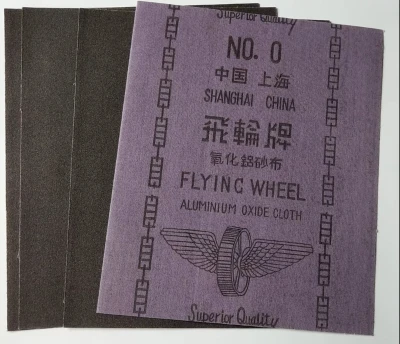
1. Sandpaper:
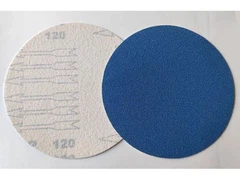
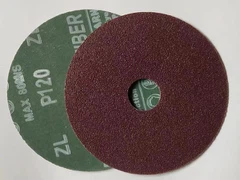
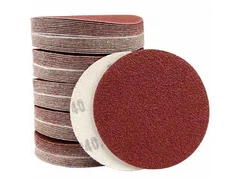
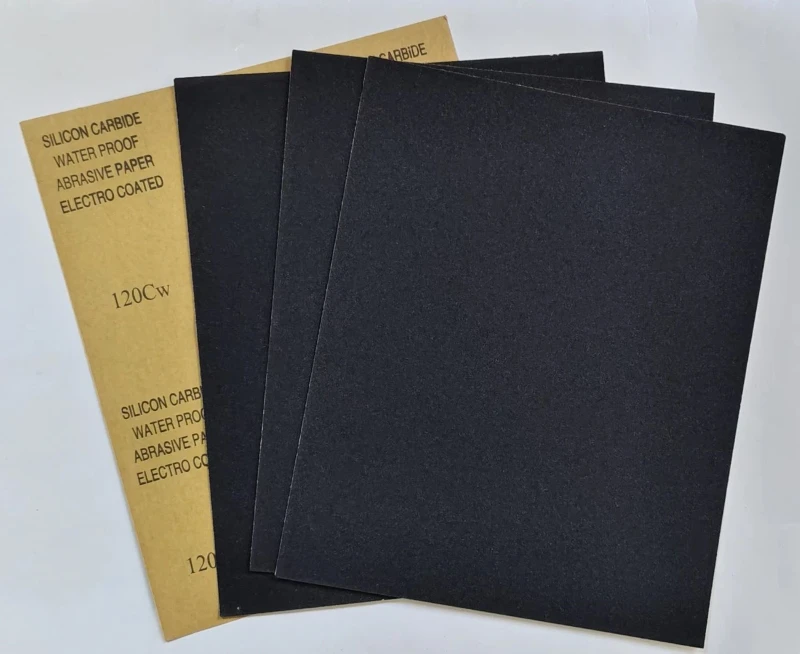
Sandpaper is a versatile abrasive material widely employed for sanding and smoothing surfaces. It comprises abrasive particles bonded to a flexible backing material, typically paper or cloth. The abrasive particles can vary in composition, size, and shape, offering different levels of aggressiveness and suitability for specific tasks.
Key Characteristics of Sandpaper:
- Backing Material: Sandpaper features a backing material that provides flexibility and support during sanding operations. Common backing materials include paper, cloth, or a combination of both. Paper-backed sandpaper is economical and suitable for light-duty sanding tasks, while cloth-backed sandpaper offers increased durability and is ideal for heavy-duty applications.
- Abrasive Particles: The abrasive particles embedded in sandpaper determine its cutting power and effectiveness. These particles are typically made of aluminum oxide, silicon carbide, or garnet. Aluminum oxide is a durable and versatile abrasive suitable for a wide range of materials, while silicon carbide excels in sanding harder surfaces like metal and stone. Garnet is often used for wood sanding due to its friable nature, which continuously exposes fresh cutting edges.
- Grain Size: Sandpaper is classified based on the size of the abrasive particles, known as the grit size. Lower grit numbers indicate coarser abrasives, which are ideal for rapid material removal and leveling uneven surfaces. Higher grit numbers denote finer abrasives, which produce smoother finishes and are suitable for final sanding and polishing. Common grit sizes range from coarse (40–60 grit) to fine (800–1200 grit) and beyond.
- Applications: Sandpaper finds extensive use in woodworking, metalworking, automotive refinishing, and DIY projects. It is employed for tasks such as removing paint and varnish, smoothing rough surfaces, shaping contours, and preparing surfaces for finishing. Different grit sizes are used sequentially to achieve progressively smoother surfaces.
2. Emery Cloth:
Emery cloth is another abrasive material utilized for sanding and polishing surfaces, particularly metals. Unlike sandpaper, which primarily features synthetic abrasive particles, emery cloth incorporates natural abrasive grains derived from emery, a mineral composed of corundum and magnetite. Emery cloth typically consists of abrasive grains bonded to a cloth backing material.
Key Characteristics of Emery Cloth:
- Abrasive Grains: Emery cloth derives its abrasive power from natural emery grains, which are harder and more durable than many synthetic abrasives. The presence of corundum in emery grains contributes to their exceptional hardness and cutting ability, making emery cloth particularly effective for sanding and polishing metals.
- Cloth Backing: Emery cloth is typically backed with a flexible cloth material, providing durability and resistance to tearing during abrasive operations. The cloth backing allows for greater control and precision when sanding irregular or contoured surfaces, making emery cloth well-suited for intricate metalworking tasks.
- Applications: Emery cloth is predominantly used for metalworking applications, including deburring, surface preparation, and polishing of metal surfaces. It is commonly employed in machine shops, fabrication facilities, and automotive workshops for refining metal components and achieving smooth, polished finishes.
- Compatibility with Water: Emery cloth exhibits excellent resistance to water and can be used wet or dry, depending on the application requirements. Wet sanding with emery cloth helps to reduce heat buildup and prevents clogging of the abrasive surface, resulting in more efficient material removal and a smoother finish.
Differences Between Sandpaper and Emery Cloth:
While sandpaper and emery cloth share similarities in their abrasive nature and application areas, several key differences distinguish them:
- Composition: Sandpaper primarily utilizes synthetic abrasive particles, such as aluminum oxide and silicon carbide, bonded to a backing material. In contrast, emery cloth incorporates natural emery grains derived from corundum and magnetite, offering superior hardness and cutting power.
- Applications: Sandpaper is widely used in woodworking, automotive refinishing, and general surface preparation tasks across various materials. Emery cloth, on the other hand, is predominantly employed in metalworking applications, where its exceptional cutting ability is prized for shaping, deburring, and polishing metal surfaces.
- Flexibility and Control: Emery cloth, with its cloth backing, offers greater flexibility and control compared to sandpaper, making it ideal for intricate metalworking tasks and contoured surfaces. Sandpaper, particularly cloth-backed varieties, also provides flexibility but may not offer the same level of precision in metalworking applications.
- Resistance to Water: Emery cloth demonstrates excellent resistance to water and is commonly used for wet sanding applications, whereas some types of sandpaper may degrade or lose effectiveness when exposed to moisture.
Send Inquiry