





How Sandpaper Became Grinding Wheels
Aug 05, 2024
Leave a message
The Rise of the Grinding Wheel: A Paradigm Shift
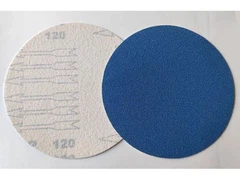
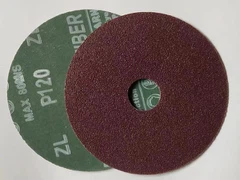
While sandpaper had been the primary grinding tool for decades, the introduction of sanding discs marked a paradigm shift in the industry. In the mid-20th century, manufacturers began embedding abrasive particles into rigid discs, providing greater stability and control during sanding operations. This innovation not only increased productivity, but also opened the door to new applications for automated machinery.
Technological Innovations in Sanding Discs
As technology has advanced, so have the design and functionality of sanding discs. The integration of hook-and-loop fastening systems in the late 20th century simplified the installation and removal of sanding discs, streamlining the sanding process for professionals and amateurs alike. Additionally, the development of ceramic abrasives in recent decades has improved the performance and lifespan of sanding discs, allowing them to remove material more thoroughly and last longer.
Applications and Impacts
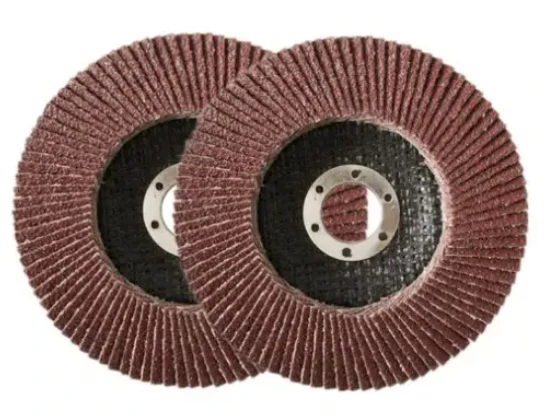
The evolution from sandpaper to sanding discs has had a profound impact across industries. Woodworkers, metalworkers, automotive technicians, and DIY enthusiasts have all benefited from the efficiency and precision offered by modern sanding discs. Whether shaping, sanding or finishing, these versatile tools have become indispensable for achieving high-quality results with minimal effort.
Environmental Considerations
As effective as it is, sandpaper also poses challenges to the environment, especially in terms of waste disposal and resource consumption. Abrasive particles used in these products can contribute to air and water pollution if not properly managed. Additionally, the disposal of worn sandpaper adds to the burden on landfills. As a result, manufacturers are increasingly exploring eco-friendly alternatives and implementing recycling programs to mitigate their environmental impact.
Send Inquiry