




The Technology and Application of Grinding Discs
Apr 15, 2025
Leave a message
Sanding disc products
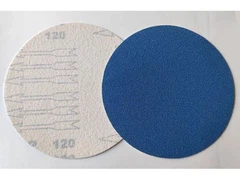
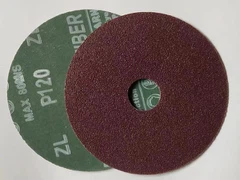
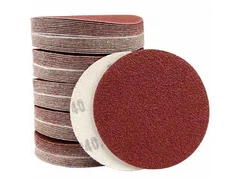
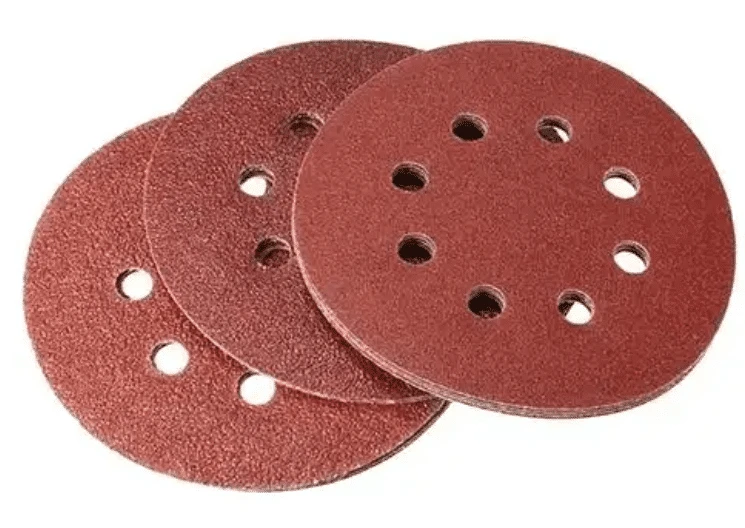
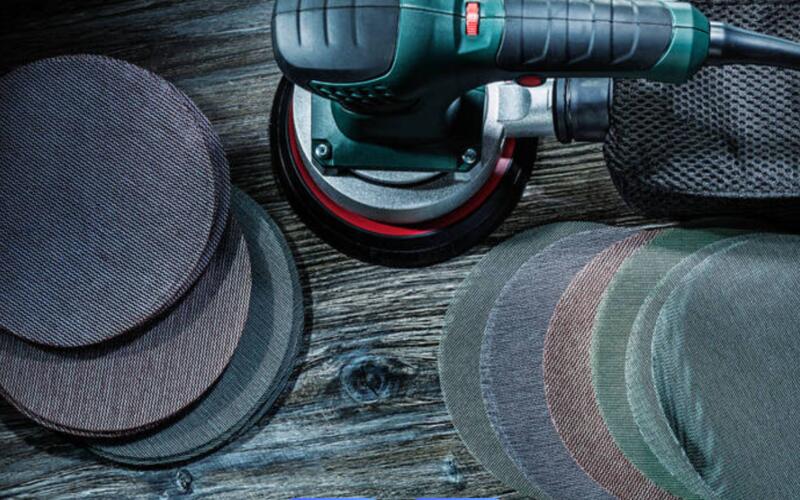
A sanding disc is a circular abrasive tool made of paper, cloth or fiber substrate bonded with abrasive materials such as aluminum oxide and silicon carbide through resin. It is used for grinding, polishing and removing surface defects of materials. It is designed with ventilation holes to facilitate heat dissipation and chip removal, improving processing efficiency. The self-adhesive backing design makes it easy to install and replace. Sanding discs are widely used in industries such as woodworking, metalworking and auto repair, and are suitable for surface treatment of materials such as wood, metal and plastic, such as rust removal, paint removal and polishing. Sanding discs with different abrasive materials and grit sizes can meet the needs of rough grinding, fine grinding and polishing processes. They are characterized by high efficiency, low consumption and durability, and are indispensable surface treatment tools in industrial processing.
I. Definitions and Classification Definition
The sanding disc, also known as the grinding disc or steel paper grinding sheet, is a circular coated abrasive tool used for grinding and processing. It mainly consists of steel paper as the base material, combined with silicon carbide or corundum abrasive, and bonded by synthetic resin. The sanding disc features high grinding efficiency and long service life, making it an indispensable tool in industrial grinding operations.
Classification
Sandpaper discs are mainly divided into two categories:
Classification of sanding discs
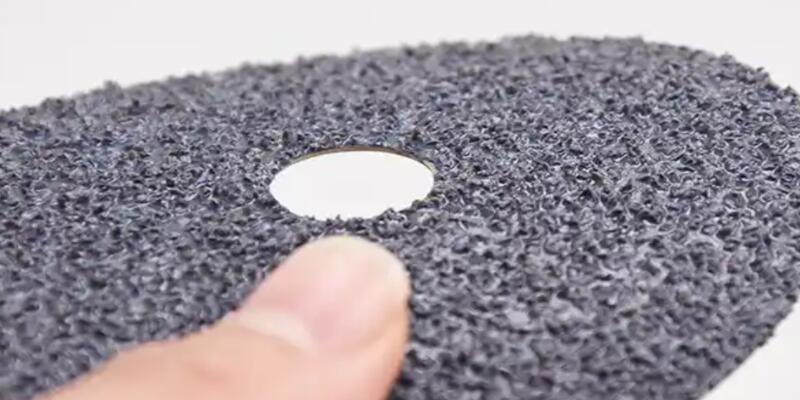
Steel paper grinding discs
Made with steel paper as the base, silicon carbide or corundum as the abrasive, and synthetic resin as the binder. This type of sanding disc has high strength and durability, and is suitable for grinding various metal and non-metal materials.
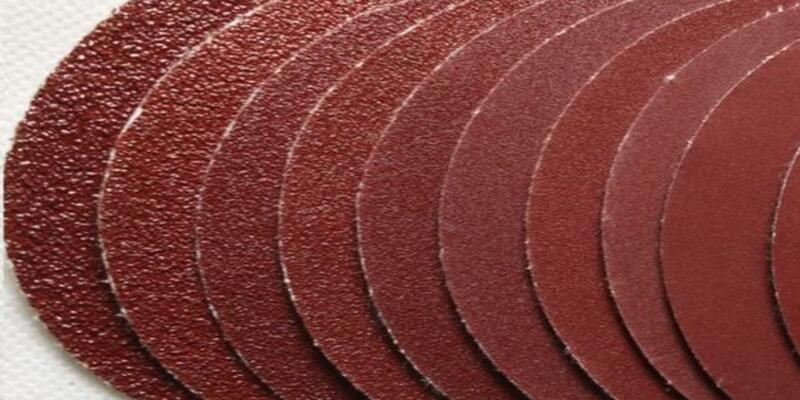
Self-adhesive sanding discs
A layer of pressure-sensitive adhesive is applied to the back of a circular sanding cloth or sandpaper, and protected with a plastic-coated paper. When in use, simply remove the plastic-coated protective paper and it can be directly adhered to the grinding machine base. This type of sanding disc is convenient and quick to use, and is suitable for small-scale or temporary grinding operations.
II. Production Process
The production of sanding discs generally takes two forms:
The first production process: Coating and embedding abrasive on rolls and then cutting into discs
Coating and embedding abrasive: Use rolls of steel paper as the base material and evenly apply a binder (such as synthetic resin) on it using a coated abrasive manufacturing machine. Evenly sprinkle abrasive materials (such as silicon carbide, corundum, etc.) on the coated steel paper surface. Through mechanical or gravitational force, the abrasive is embedded into the binder, completing the embedding process.
Curing and shaping: The coated and embedded steel paper rolls need to undergo drying or heating treatment to cure the binder and firmly bond the abrasive to the steel paper surface. The cured steel paper rolls form large roll-shaped coated abrasives with grinding functions.
Cutting into discs: Use cutting equipment to cut the large roll-shaped coated abrasives into circular discs of the required diameter.
The second production process: single-piece punching and cutting followed by gluing and sanding
Punching and cutting of base material: Pre-punch and cut the steel paper into circular disc-shaped pieces of a certain specification.
Gluing and sanding: Glue and sand each circular steel paper piece separately. The gluing method can be spraying, brushing or dipping, etc. The sanding process must ensure that the abrasive is evenly distributed on the surface of the steel paper.
Curing and shaping: After gluing and sanding, the single-piece steel paper is dried or heated to cure the adhesive and form a grinding wheel.
III. Application Fields
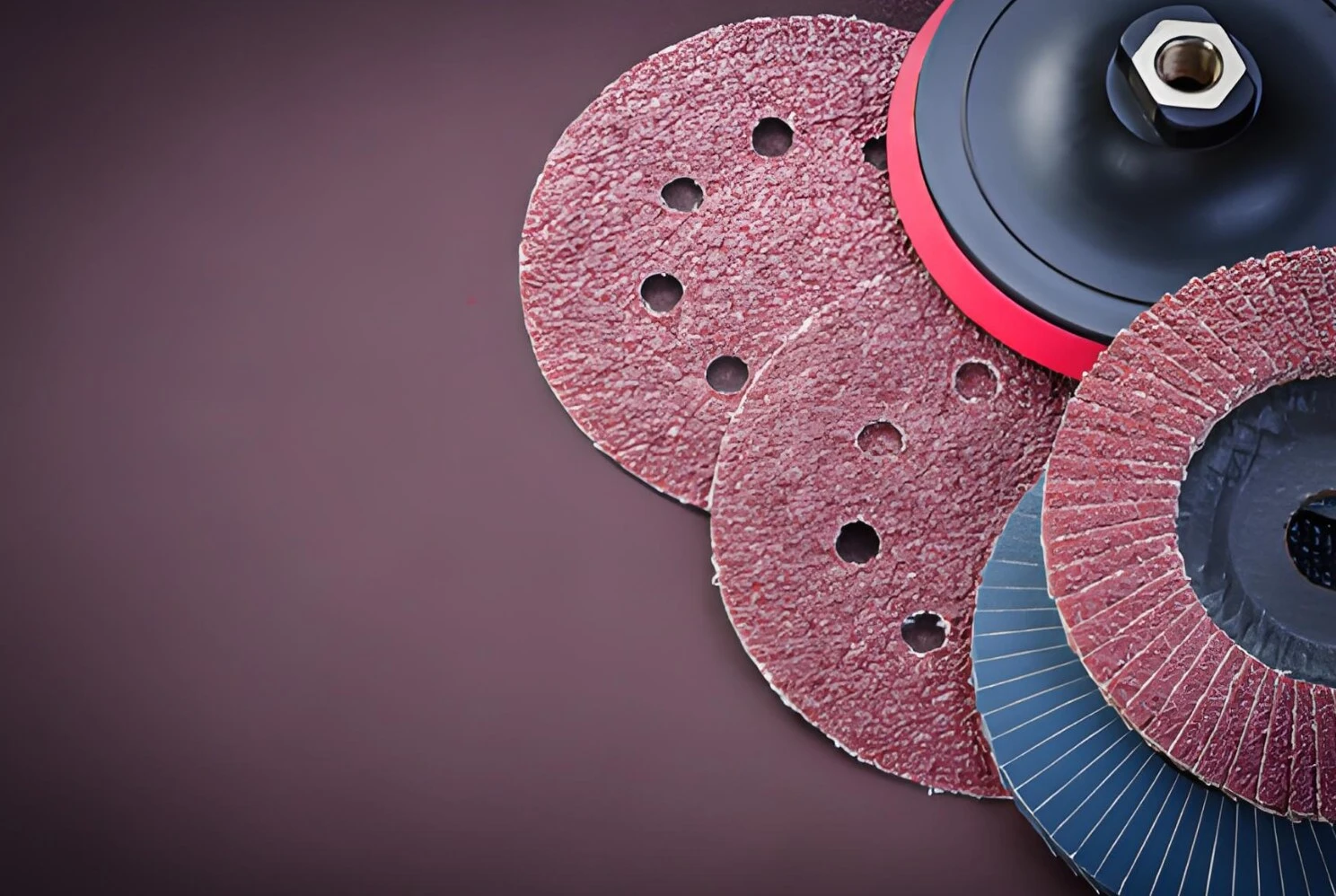
Sandpaper discs are widely used in various fields, including but not limited to:
Furniture manufacturing: Used for sanding and polishing the surface of furniture to enhance its smoothness and aesthetic appeal.
Wood processing: For surface sanding of wood to remove burrs and uneven parts.
Metal processing: For sanding and polishing metal workpieces to remove rust, weld spots and surface defects.
Automobile manufacturing: For sanding treatment of car base plates and painted surfaces.
In addition, sanding discs are also suitable for sanding operations on materials such as fiberglass and plastic.
IV. Quality Inspection Standards
The quality inspection of sanding discs mainly focuses on the following physical properties:
Particle size: The particle size of the sanding disc is determined by a series of standard metal wire gauges.
Uniformity: The uniformity coefficient is obtained by dividing the effective size of the sample by the specified particle size.
Particle shape: The shape of the particles has a certain influence on the grinding performance of the sanding disc.
Durability: The sand grains must be strong and durable, not easily broken or worn.
V. Usage Guidelines
Wear Personal Protective Equipment: Before operating the sander, make sure to wear protective glasses, earplugs, gloves, and a protective mask, among other personal protective equipment.
Keep the Work Environment Clean: Remove all debris and oil stains that may cause danger.
Adjust the Sander Parameters: According to the material and requirements of the workpiece, adjust the sander's rotational speed and feed rate.
Fix the Workpiece: Place the workpiece to be sanded steadily on the sander's worktable and secure it.
Apply Appropriate Pressure: During the sanding process, apply appropriate pressure to ensure uniform sanding of the workpiece surface.
Turn Off the Power: After completing the sanding operation, turn off the sander's power and wait for the sanding disc to come to a complete stop before leaving the work area.

VI. Maintenance and Care
Cleaning Dust and Debris: After each use, clear the dust and debris around the sand belt/sand disc.
Check the Condition of Sandpaper: Replace the severely worn sandpaper regularly.
Add Lubricating Grease: Add special lubricating grease to the bearings, gears and other moving parts once a month.
Calibrate the Equipment: Check if the sand belt is deviated and if the worktable is level every quarter.
Storage Environment: When the sanding machine is not in use for a long time, it should be stored in a dry and well-ventilated place.
VII. Purchasing Guide
When purchasing sanding discs, the following factors should be considered:
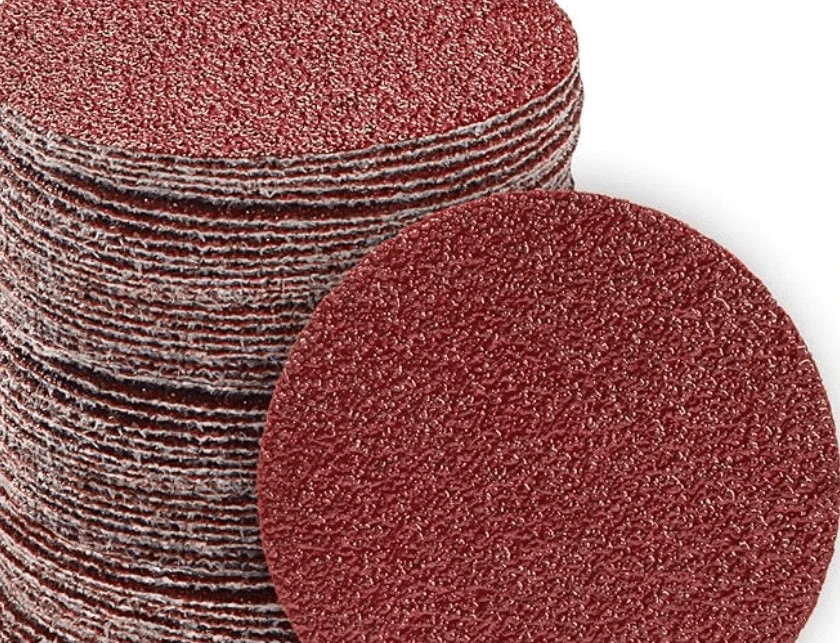
Grain size: The higher the grain size number, the finer the particle size.
Abrasive material: Common abrasive materials include aluminum oxide, silicon carbide, etc.
Self-adhesive backing: Self-adhesive backed sanding discs are convenient and quick to use.
Brand and quality: Choose well-known brands and high-quality sanding discs.
Send Inquiry