




Exploration of the Characteristics and Applications of Sponge Sandpaper
Apr 11, 2025
Leave a message
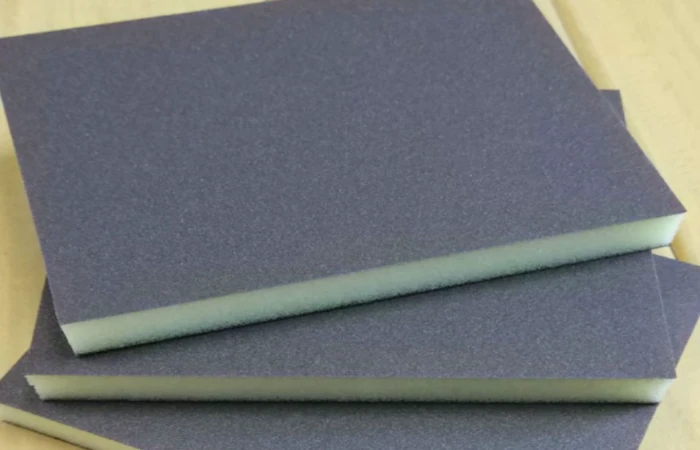
Sponge sandpaper
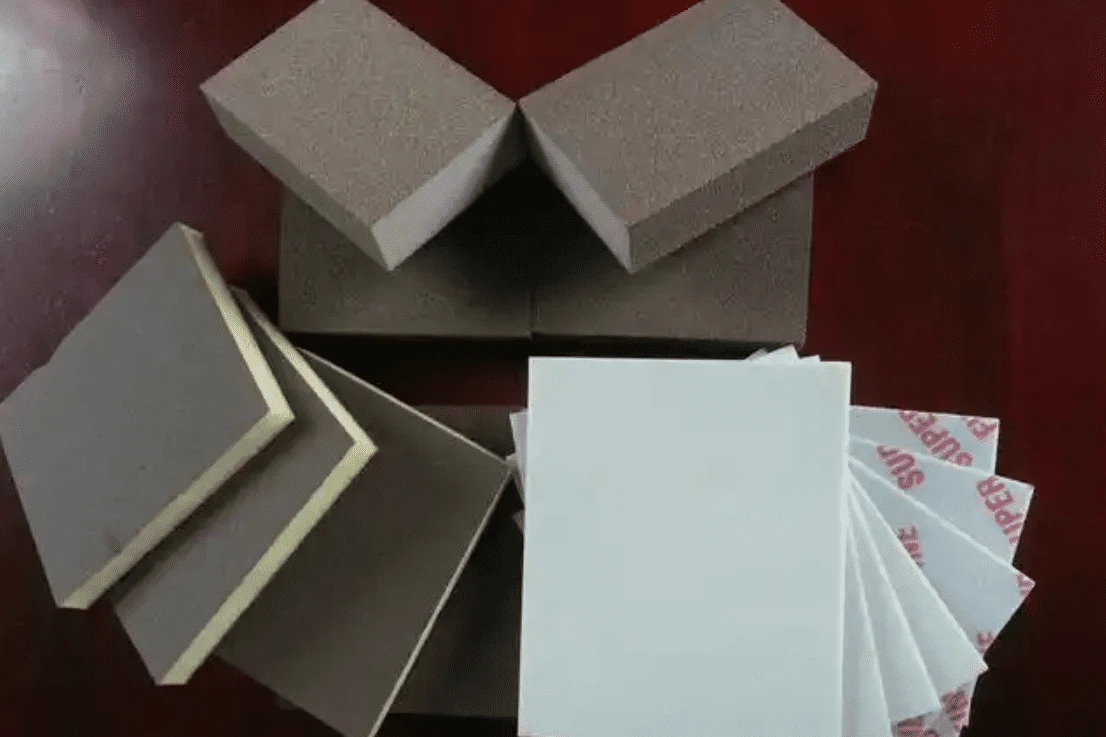
Sponge sandpaper is a grinding tool made by combining a sponge base with abrasive materials. It features softness, water absorption and durability. The soft sponge carrier can closely adhere to various curved surfaces and is suitable for fields such as furniture manufacturing, auto repair, plastic and glass processing, and surface treatment of metal products. Sponge sandpaper can be used for both dry and wet grinding. When used wet, it becomes softer after absorbing water, has higher grinding efficiency and generates less dust. It can be reused after cleaning, which is both environmentally friendly and economical. It has a variety of abrasives, including aluminum oxide and silicon carbide, to meet the grinding needs of different materials. It is an indispensable practical tool in modern industrial production and daily cleaning.
As an important product in the sandpaper industry, sponge sandpaper has been widely used in fields such as woodworking, furniture manufacturing, and auto repair due to its unique softness and flexibility.
I. Historical Development: A Product of Industrial Progress
Sponge sandpaper originated in the 20th century and gradually became popular with the development of the furniture manufacturing and automotive repair industries. In the early days, craftsmen used traditional sandpaper for sanding, but when dealing with smooth or curved surfaces, traditional sandpaper was difficult to fit closely and the sanding effect was not good. The emergence of sponge sandpaper solved this problem. Its softness and flexibility allow it to fit closely to various curved surfaces, significantly improving the sanding effect. With the continuous progress of materials science, the abrasive and backing materials of sponge sandpaper have been continuously optimized, and its application fields have gradually expanded.
II. Production Process: Scientific Procedures Ensure Performance
The production process of sponge sandpaper involves several key steps:
1. Raw Material Preparation
sponge sandpaper
The production process of sponge sandpaper
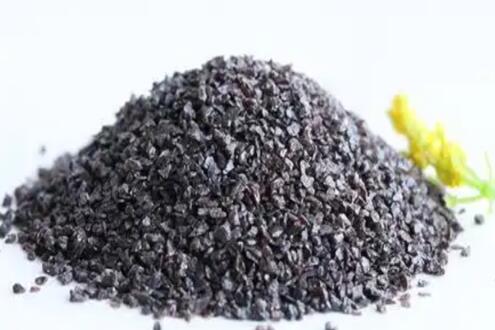
Abrasive selection
Different abrasives are chosen based on their intended use, such as aluminum oxide, silicon carbide, zirconium aluminum oxide, garnet, etc. Aluminum oxide abrasives are sharp and suitable for sanding wood and metal; silicon carbide abrasives are hard and suitable for sanding glass and ceramics.
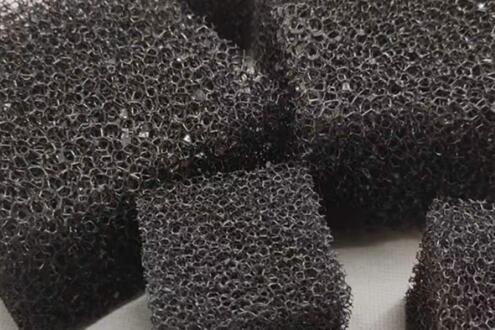
Backing material
High-quality polyurethane foam is selected as the base material, which has excellent elasticity and stability. Paper backing is hard and can produce a highly polished surface; cloth backing is strong, insensitive to temperature and humidity, and has good durability.

Adhesive
Commonly used adhesives are animal glue and synthetic resins. Animal glue is not water-resistant, while synthetic resins have good water resistance. Water-resistant sponge sandpaper uses water-resistant synthetic resins as the base and top coatings and undergoes strict waterproof treatment.
2. Sponge Preparation
Polyurethane foam is cut into appropriately sized blocks and processed through heat treatment, chemical treatment, or mechanical polishing to make the surface smooth, enhance water absorption, and improve compressive strength.

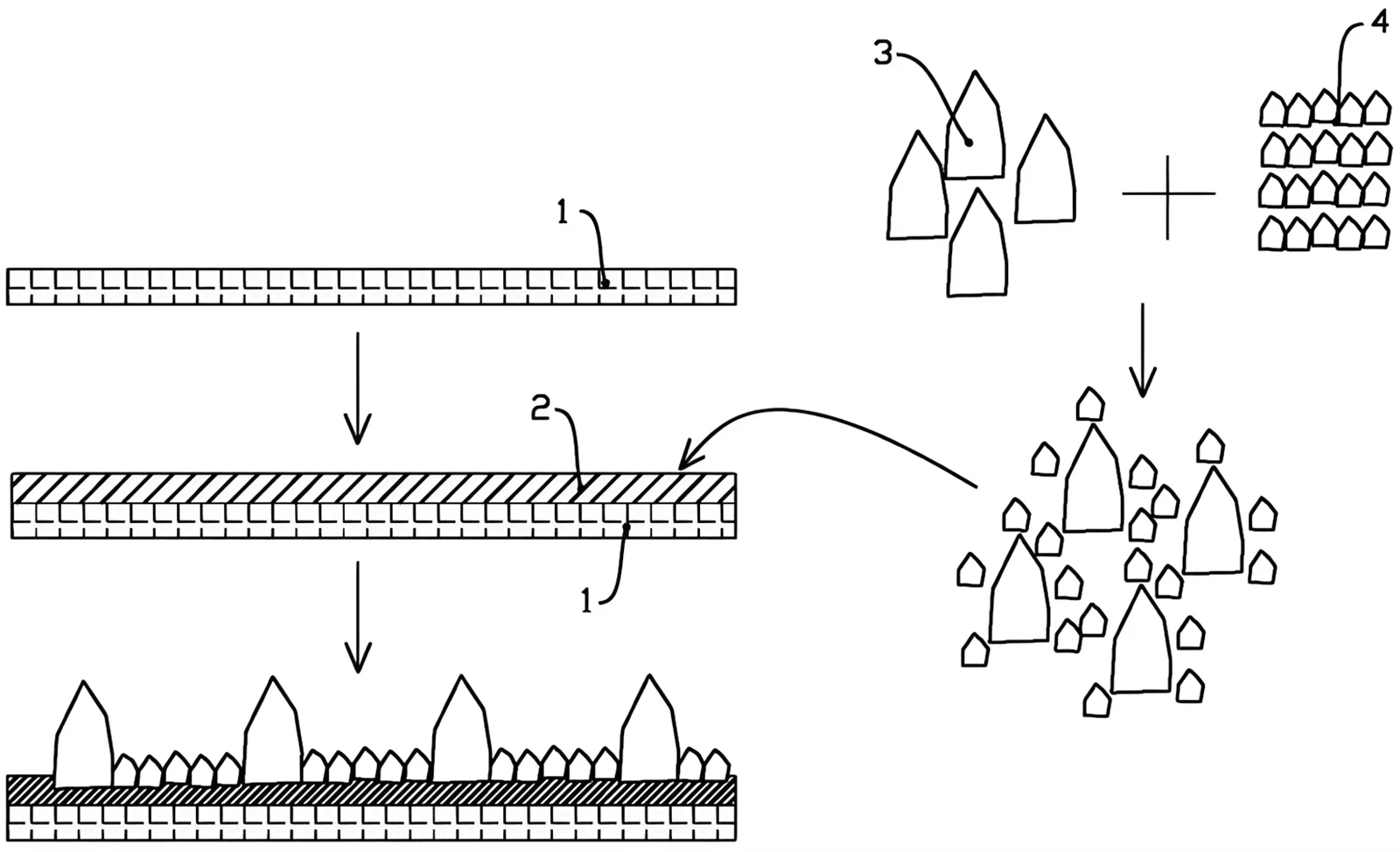
3. Abrasive Coating
Sand implantation process: It includes mechanical sand implantation and electrostatic sand implantation. Mechanical sand implantation relies on the gravity of the abrasive particles to adhere to the substrate, and the finished sandpaper has a long service life; electrostatic sand implantation utilizes a high-voltage electric field to make the abrasive particles evenly adhere to the base material, improving the surface quality of the sandpaper.
Coating technology: The abrasive and adhesive are thoroughly mixed and evenly coated onto the surface of the sponge through special equipment. During the coating process, the thickness and uniformity of the abrasive must be controlled to ensure the grinding effect of the sandpaper.
4. Sandpaper Cutting and Packaging
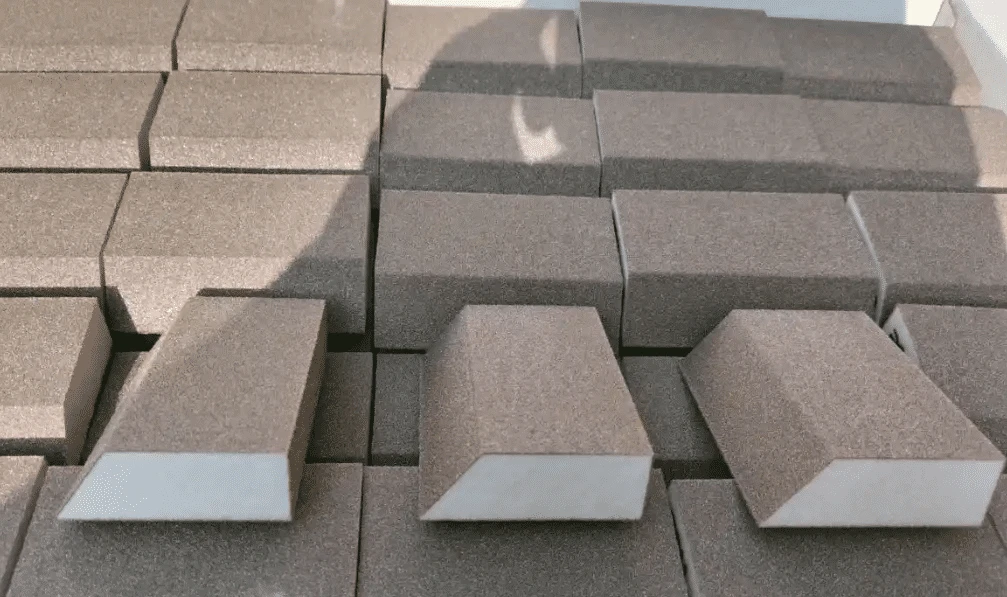
The abrasive-coated sponge is cut into standard-sized sandpaper, generally available in large, medium, and small specifications. The cut sandpaper needs to be ground and inspected to ensure its quality is up to standard. Finally, it is packaged using automated packaging equipment to maintain the cleanliness and flatness of the sandpaper.
III. Product Features
Foam sandpaper has the following notable features:
sponge sandpaper
Soft, Durable, and Adaptable to Diverse Needs
Soft dry grinding and wet grinding
Sponge sandpaper is soft and flexible, suitable for both dry grinding and wet grinding. When wet grinding, the sponge absorbs water and becomes even softer, closely adhering to curved surfaces and enhancing grinding efficiency.
01
Washable and reusable
After grinding, the sponge sandpaper can be washed and reused, reducing the cost of use.
02
Strong water absorption
Sponge sandpaper has excellent water absorption, allowing for prolonged water-assisted grinding and reducing dust generation during the sanding process.
03
Water, acid and alkali resistant
It is suitable for polishing the surfaces of various materials, such as metal, wood, plastic, etc., and has excellent resistance to water, acid and alkali.
04
Diverse Abrasives
Depending on the characteristics of different abrasives, sponge sandpaper can be used for grinding various materials and processes. Aluminum oxide abrasives are sharp, silicon carbide abrasives are hard, zirconia alumina abrasives can withstand high temperatures, and garnet abrasives offer good value for money
05
IV. Application Fields: Widely Covering Multiple Industries
1. Furniture Production
High-end furniture manufacturing: Used for sanding the surface of solid wood furniture to remove burrs and uneven parts, improving the surface quality of furniture. The flexible and bendable nature of sponge sandpaper enables it to handle complex curved surfaces.
Wooden handicrafts: In the fine sanding of wood carvings, root carvings and other handicrafts, sponge sandpaper can reduce sanding marks and enhance the luster of the finished product.
2. Automobile Maintenance
Original paint sanding: 3M flexible sponge sandpaper is used for sanding the original paint of automobiles to improve the fineness and flatness of the paint surface. Its flexibility and conformability are suitable for the curved surfaces and irregular surfaces of car bodies.
Touch-up painting: During car maintenance, sponge sandpaper is used to sand the paint surface scratches and defects, providing a good foundation for repainting.
3. Plastics and Glass
Plastic product polishing: Polishing the surface of plastic products to improve their transparency and luster.
Glass product processing: In glass engraving, frosting and other processes, sponge sandpaper can precisely control the sanding effect.
4. Metal Products
Stainless steel surface treatment: Removing rust spots and oxide scales from the metal surface to improve the surface quality of the metal.
Precision parts grinding: In aerospace, medical equipment and other fields, sponge sandpaper is used for surface treatment of precision parts.
5. Daily Cleaning
Kitchen cleaning: As a cleaning tool, it is used to remove rust spots and grease from metal surfaces to keep kitchen equipment clean and hygienic.
Home maintenance: It can be used for daily maintenance of wooden floors and furniture, removing minor scratches.

V. Market Structure: Stable Demand and Concentrated Enterprises
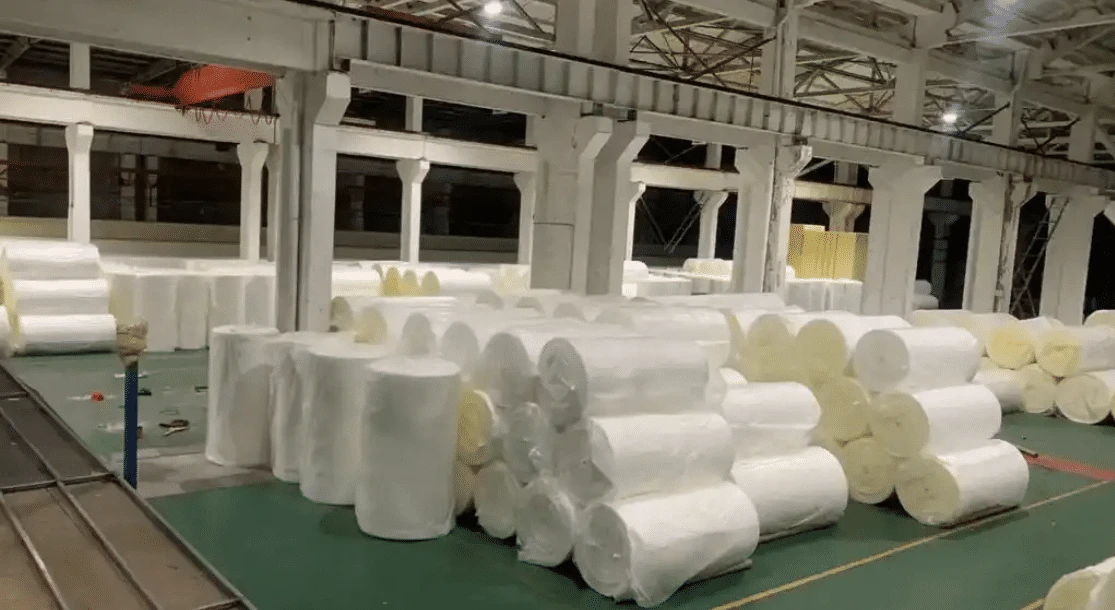
The market demand for sponge sandpaper is steadily growing, mainly due to its wide range of applications and irreplaceable performance advantages. Currently, the major producers in the market include well-known brands such as 3M and Rili. These enterprises, with their strong R&D capabilities and brand influence, hold a significant share of the market. The price range of sponge sandpaper is quite broad, covering products from the low-end to the high-end, meeting the needs of different customers.
1. Market Competition
International brands dominate: Multinational enterprises such as 3M and Saint-Gobain hold an advantage in the high-end market, with their products standing out in terms of precision and durability.
Domestic enterprises are catching up: Domestic brands like Xili and Dali Cheng have gained a significant share in the mid-to-low-end market through their cost-performance advantages. Some enterprises are gradually penetrating the high-end market through technological upgrades.
2. Market Demand
Industry distribution: Furniture manufacturing, auto repair, and 3C electronics are the main demand sectors. With the development of smart homes and new energy vehicles, related demands continue to grow.
Product segmentation: The market has diverse demands for sponge sandpapers of different grits and specifications. Coarse-grit products are used for rapid material removal, while fine-grit products are used for precise polishing.
VI. Technical Challenges and Trends: Environmental Protection and Intelligence in Parallel
The technical challenges faced by the sponge sandpaper industry mainly include the increasing environmental protection requirements and the need for automation upgrades. With the increasingly strict environmental protection regulations, enterprises need to reduce the emission of volatile organic compounds (VOCs) during the production process and promote the use of environmentally friendly binders. At the same time, automation upgrades have become an important way to improve production efficiency and reduce costs, such as the adoption of automated production lines and intelligent warehousing systems. In the future, the sponge sandpaper industry will develop in the direction of environmental protection, automation, and intelligence. Meanwhile, the research and development of new materials will continuously enhance the performance and lifespan of sandpaper.
1. Environmental Protection Requirements
Application of eco-friendly materials: Develop solvent-free and water-based adhesives to reduce VOC emissions. Promote the use of biodegradable sponge substrates to reduce environmental burden.
Improvement of production processes: Control pollutant emissions during the production process through technologies such as closed production and waste gas recovery.
2. Automation Upgrade
Intelligent production lines: Introduce industrial robots and visual recognition systems to automate processes such as sandpaper cutting and packaging.
Digital management: Utilize Internet of Things (IoT) technology to achieve real-time monitoring and data traceability of the production process, enhancing production efficiency and product quality.
3. New Materials Research and Development
Nanometer abrasives: Develop nanometer-sized abrasives to improve the grinding accuracy and lifespan of sandpaper.
Composite substrates: Develop composite sponge substrates with special functions, such as high-temperature resistance and corrosion resistance, to expand application areas.
As a practical product in the sandpaper industry, sponge sandpaper plays a significant role in both industrial production and daily life, thanks to its unique properties and wide range of applications. Facing the dual challenges of environmental protection and automation, the sponge sandpaper industry is constantly enhancing the performance and market competitiveness of its products through technological innovation and transformation and upgrading. In the future, with the deep integration of new materials and automation technology, sponge sandpaper is expected to embrace greater development opportunities.
Send Inquiry