




Aluminum Oxide Sandpaper: Analysis and Application
Apr 07, 2025
Leave a message
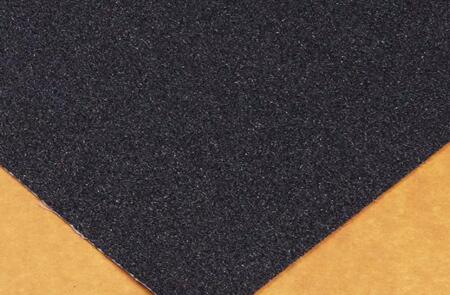
Aluminum oxide sandpaper uses aluminum oxide as the abrasive material and features high hardness, wear resistance and water resistance. It is suitable for surface grinding of metals, woods, plastics and other materials. The size of its abrasive grains can be as fine as 0.05 microns, meeting the requirements of fine grinding. Compared with silicon carbide sandpaper, aluminum oxide sandpaper performs better in metal grinding and is suitable for use in various environments. The manufacturing process adopts electrostatic planting technology to ensure uniform adhesion of abrasive grains, improving grinding efficiency and durability.
Aluminum Oxide Sandpaper: Analysis and Application
In the sandpaper area, aluminum oxide sandpaper, as a classic abrasive material, has been serving multiple industries like metal processing, wood processing, and coating for a long time. With the continuous development of technology, aluminum oxide sandpaper is also constantly evolving and showing better performance and wider application prospects.
I. Technical Characteristics: Durable and Wear-resistant, Excellent Performance
Aluminum oxide sandpaper uses aluminum oxide particles as the abrasive and is adhered to a paper or cloth base through a bonding agent. Its main technical characteristics include:
High abrasion resistance: Alumina abrasive has extremely high hardness, with a Mohs hardness of 9, effectively preventing breakage and blunting, and providing uniform grinding results.
Compactness: Alumina sandpaper has a dense structure with evenly distributed particles, ensuring consistent surface quality during the grinding process.
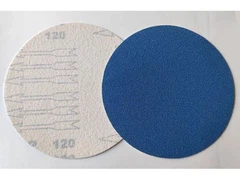
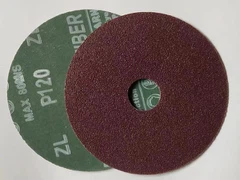
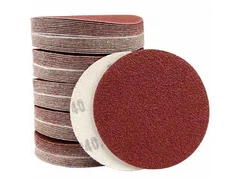
Diverse specifications: Sandpaper comes in a variety of specifications, allowing for selection based on different needs, such as 40 mesh, 60 mesh, 80 mesh, 100 mesh, 120 mesh, 150 mesh, 180 mesh, 240 mesh, 320 mesh, and other standards.
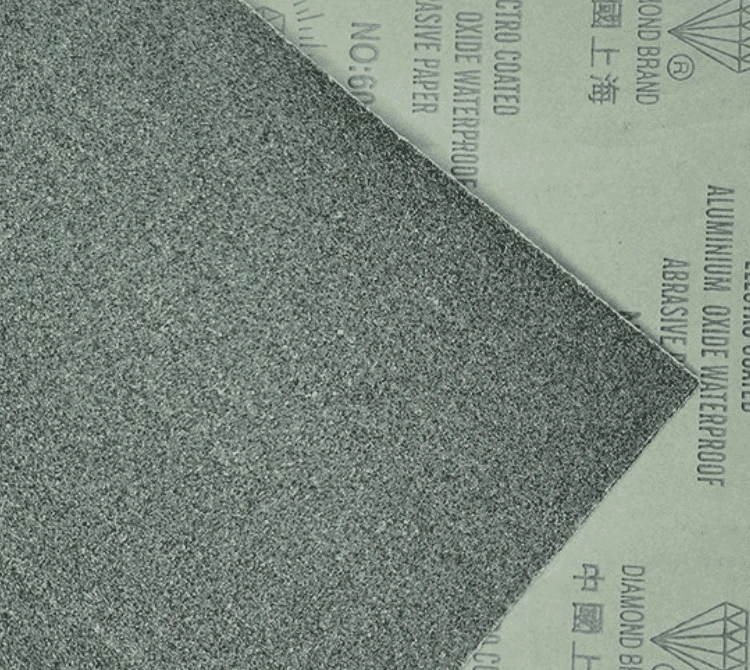
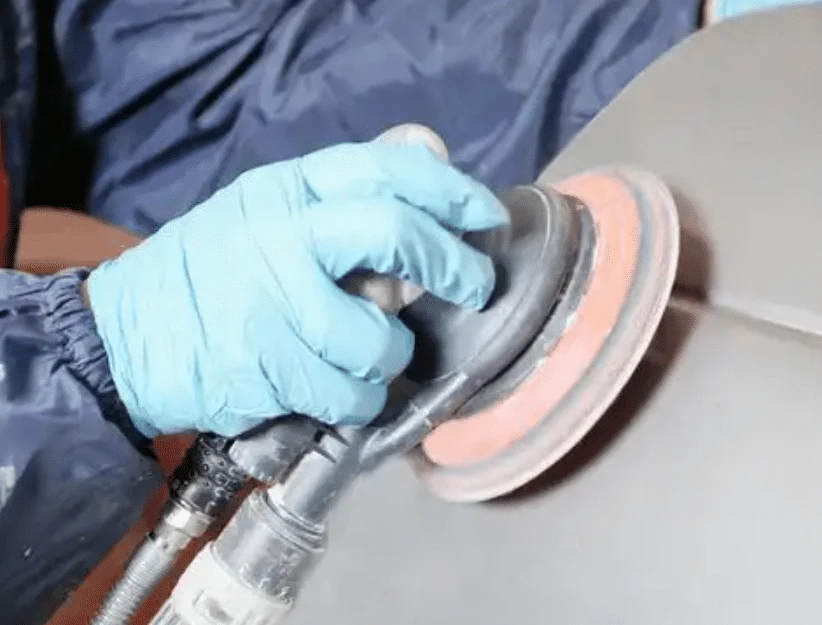
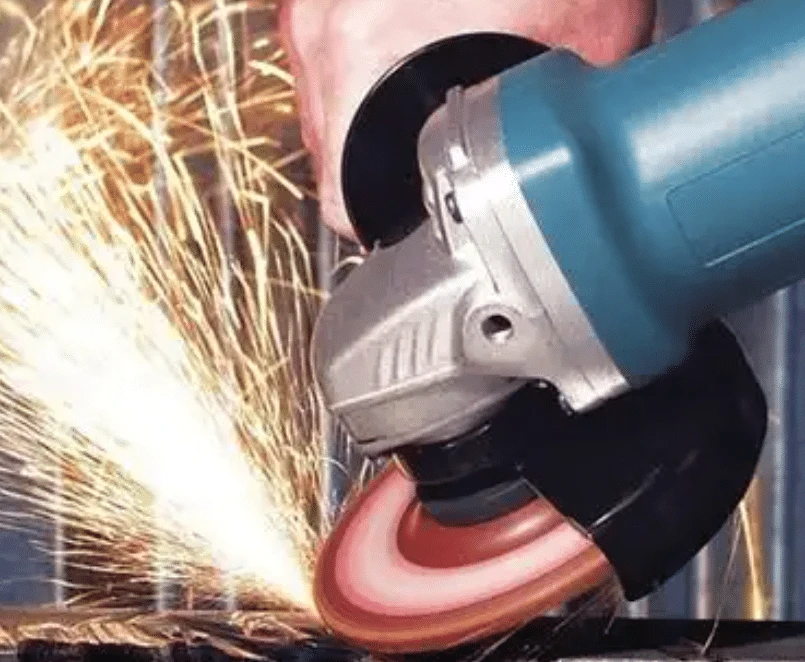
It showed how the aluminum oxide sandpaper is wear-resistant during the grinding process on metal surfaces. The abrasive particles are evenly spread out to make sure the grinding results are the same.
Also, compared to emery, when the aluminum oxide sandpaper is used to grind the surface of harder coatings, its edge won't wear and get dull too early. So, it makes the useful life longer. With the progress of technology, new abrasives like zirconium and aluminum are gradually being used in the sandpaper field. They have a special self-sharpening ability. They can keep giving new cutting edges during the grinding process, cut down on labor, and make the tools work better and last longer.
II. Market Applications: Extensive and Deep
Aluminum oxide sandpaper is widely used in multiple fields and has become an indispensable tool in these industries.
Metal Processing: It is used for grinding and polishing metal surfaces, such as stainless steel and aluminum alloys, to enhance surface smoothness and quality.
Wood Processing: During wood processing, it is used to remove burrs, dents and other defects on the wood surface, improving the flatness and aesthetics of the wood.
Coating Industry: Before coating, it is used to grind the surface of workpieces to improve the adhesion and appearance of the coating.
Furniture Manufacturing: It is used for grinding and polishing the surface of furniture to enhance the grade and quality of the furniture.
Building Decoration: In the process of building decoration, it is used for grinding and treating surfaces such as walls and floors to improve the decorative effect.
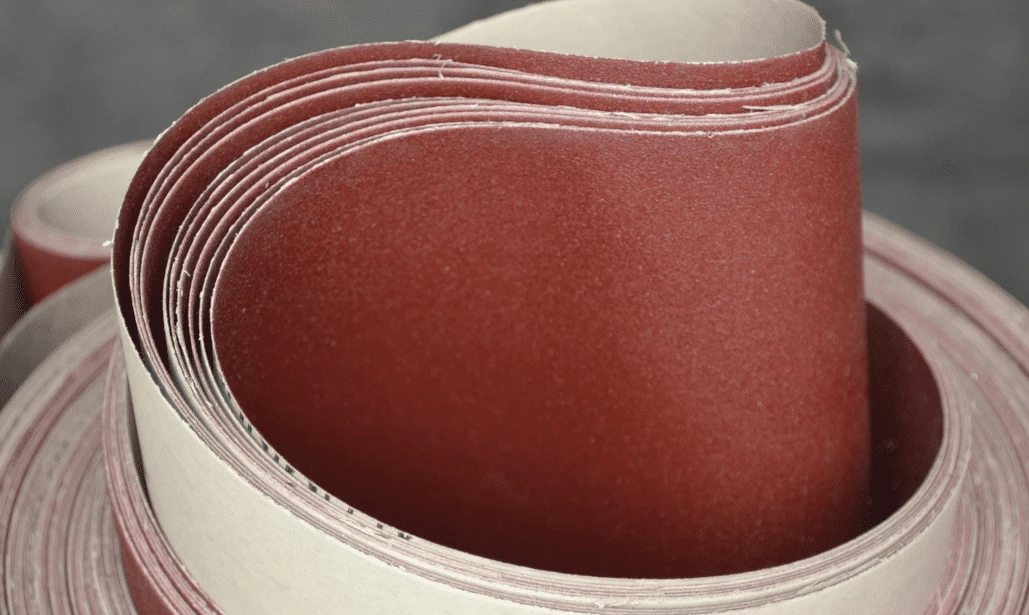
Sandpaper closely adheres to the surface of the wood. Through uniform sanding, it removes the burrs and dents on the wood surface.
Market application cases
Aluminum oxide sandpaper, as a classic grinding material, has long served multiple industries such as metalworking, woodworking, and painting.
Automobile repair
In the process of automobile repair, aluminum oxide sandpaper is widely used to grind the surface of the car body, remove old coatings and rust, and provide a good foundation for re-spraying.
01
Metal processing
In the metal processing industry, aluminum oxide sandpaper is used to grind and polish metal parts, improving the surface finish and quality of the parts.
02
Wood sanding
In the wood processing process, aluminum oxide sandpaper is used to remove burrs and dents on the surface of the wood, improving the flatness and appearance of the wood.
03
Stone polishing
In the stone processing process, aluminum oxide sandpaper is used to grind and polish the surface of the stone, improving the gloss and quality of the stone.
04
Paint sanding
In the painting process, aluminum oxide sandpaper is used to grind the surface of the paint, improving the adhesion and appearance of the paint.
05
III. Development Process: From Imitation to Independent Innovation
The development of polycrystalline alumina in China started relatively late, but through continuous research and application, it has gradually caught up with the international pace.
The research on the Bayer process for producing granular alumina in China began during this period, jointly undertaken by Guiyang Aluminum and Magnesium Design and Research Institute, Shandong Aluminum Plant, Guizhou Aluminum Plant and Zhengzhou Light Metal Research Institute.
The commissioning and production of the second phase of the combined series process for producing alumina at Shanxi Aluminum Plant marked a significant advancement in China's alumina production technology.
China Aluminum Corporation led and undertook the national "Tenth Five-Year Plan" major scientific and technological research project "Production Technology of Granular Alumina" as well as "Optimization of Granular Alumina Production Process and Industrial Demonstration", achieving major technological breakthroughs.
IV. Future Trends: Efficiency, Environmental Protection, and Intelligence - Clear Direction
With the continuous advancement of technology, the aluminum oxide sandpaper industry will move towards the trends of efficiency, environmental protection, and intelligence.
Efficiency: The application of new abrasives and the improvement of grinding technology will enhance grinding efficiency and quality.
Environmental protection: The development and application of eco-friendly sandpaper will become mainstream, meeting the market's demand for low-carbon and environmentally friendly products.
Intelligence: The introduction of intelligent production technology will increase production efficiency and product quality, while reducing production costs and energy consumption.
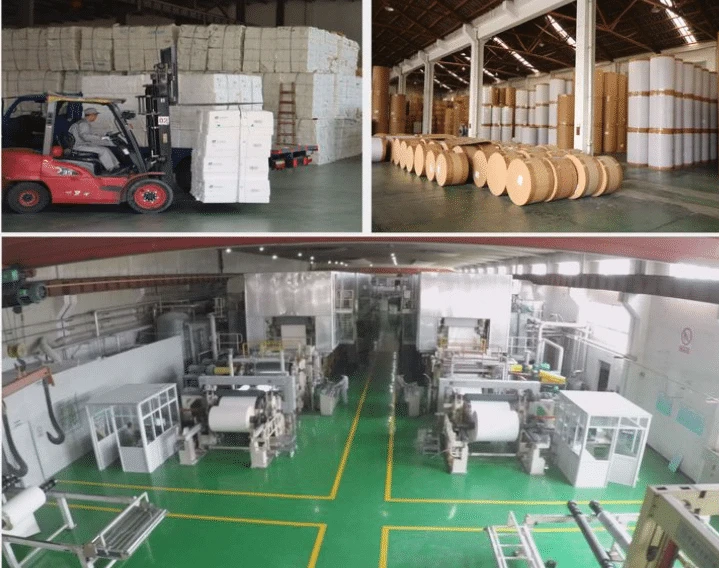
Through the production line, efficient production and quality control of sandpaper are achieved.
Capacity Optimization and Structural Adjustment: With increasingly strict environmental policies and intensified market competition, the alumina sandpaper industry will accelerate the pace of capacity optimization and structural adjustment, eliminating backward production capacity and enhancing the overall competitiveness of the industry.
Technological Innovation and Industrial Upgrading: Enterprises will continue to increase R&D investment, promoting technological innovation and industrial upgrading, and improving product quality and technological levels.
Green Development and Environmental Protection Requirements: Environmental protection and sustainable development will become important trends in the alumina sandpaper industry. Enterprises will strengthen environmental protection facility construction, improve resource utilization efficiency, and reduce environmental pollution and emissions.
V. Sandpaper Production
The production process of aluminum oxide sandpaper involves multiple steps, such as substrate preparation, printing, sanding, and curing. Among them, there are two sanding methods: gravity sanding and electrostatic sanding. Electrostatic sanding is more uniform and firm, and is suitable for finer sand grains.
Substrate preparation: Place the selected substrate on the machine. The substrate serves as the carrier for the sand grains.
Printing: The machine has a printing function. After the substrate enters the roller, the specifications, trademarks, and patterns of the sandpaper are printed on the back, while the adhesive is evenly brushed onto the front of the substrate.
Sanding: There are two sanding methods: gravity sanding and electrostatic sanding. Gravity sanding involves directly pouring the sand grains onto the substrate with adhesive; electrostatic sanding involves applying an appropriate current and voltage in an electrostatic chamber to form an electric field, causing the sand grains to uniformly adhere with the larger end facing inward and the pointed end facing outward, resulting in a more uniform and firm bond.
Curing: Place the semi-finished sandpaper in an oven. Under the effect of high temperature, the sand grains will blend into the adhesive, and an additional layer of resin is applied to make it even more firm.
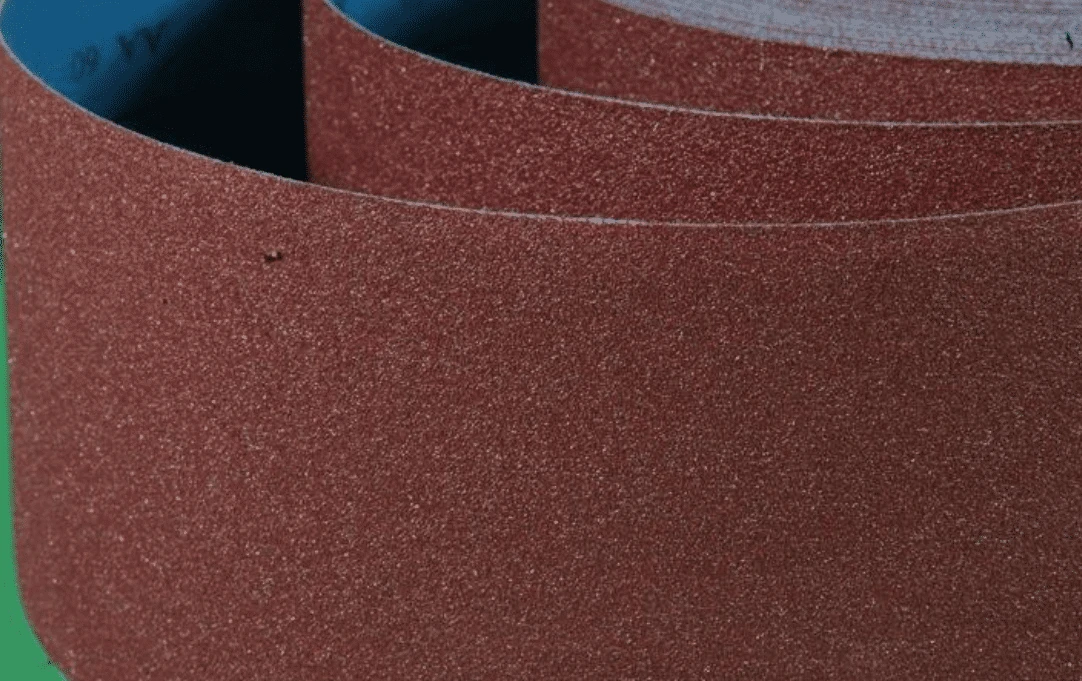
VI. Selection of Raw Materials
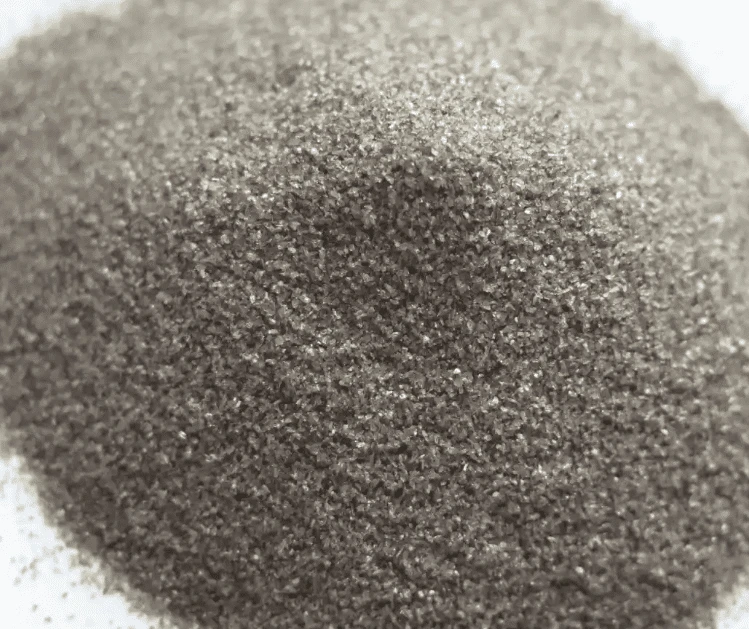
The main raw materials for aluminum oxide sandpaper include aluminum oxide abrasive, wood fiber substrate, and adhesive, etc. High-quality raw materials are the key to ensuring the high performance of the sandpaper.
Aluminum oxide abrasive: It has high hardness, wear resistance and density, which can effectively prevent cracking and blunting, and provide uniform grinding effect.
Wood fiber substrate: As the carrier of abrasive grains, it needs to have good flexibility and strength to ensure that the sandpaper does not break easily during use.
Adhesive: Used to attach the abrasive to the substrate, it needs to have good bonding performance and stability to ensure that the abrasive does not fall off easily during the use of the sandpaper.
VII. Environmental Performance
With the increasing awareness of environmental protection, the alumina sandpaper industry is moving towards an environmentally friendly direction.
Production process and equipment requirements: Develop new technologies such as indirect heating, enhanced dissolution, and alumina boiling melt film, internal evaporation, multi-effect, and forced circulation evaporation to further strengthen the production process and energy conservation and consumption reduction.
Resource and energy utilization indicators: Increase the comprehensive recovery rate of alumina and reduce the comprehensive energy consumption.
Product indicators: Increase the rate of first-grade alumina.
Pollutant generation indicators: Reduce the generation of wastewater, waste gas, and waste residue.
Waste recycling and utilization indicators: Increase the reuse rate of industrial water, red mud return water, secondary steam, and new steam condensate water.
VIII. Cost Structure: Determined by multiple factors, detailed analysis
The cost structure of alumina sandpaper is influenced by multiple factors, including raw material costs, energy costs, labor costs, etc. Among them, bauxite is the main raw material for producing alumina, and its cost accounts for a large proportion of the total cost. With the advancement of technology and market competition, the cost of alumina sandpaper will continue to be optimized.
Raw material costs: Bauxite is the main raw material for producing alumina, and its cost accounts for 30% to 40% of the total cost. In addition, caustic soda, energy, lime, etc. are also important raw materials for producing alumina.
Energy costs: The production of alumina requires a large amount of energy, including electricity, coal, etc.
Labor costs: With the increase in labor costs, the proportion of labor costs in the cost structure of alumina sandpaper has also increased.
Other costs: Including equipment depreciation, maintenance costs, management costs, etc.
Alumina sandpaper, as a classic grinding material, shows a positive development trend in terms of technical characteristics, market applications, development history, future trends, production processes, raw material selection, environmental performance and cost structure. With the continuous development of technology, alumina sandpaper will play a greater role in more fields.
Send Inquiry