


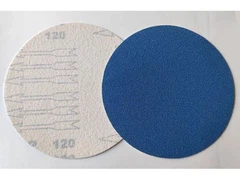
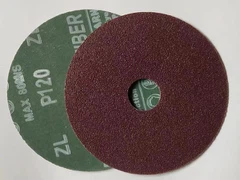
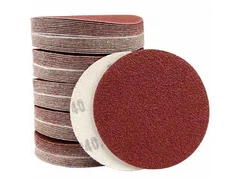


In the process of using sandpaper, how to avoid excessive or insufficient grinding?
Feb 24, 2025
Leave a message
First, select the appropriate sandpaper. Choose sandpaper based on the material characteristics:
1. For hard materials such as metal, opt for sandpaper with a coarser grit to efficiently remove surface imperfections.
2. For softer materials like wood or surfaces requiring fine finishing, such as furniture paint, choose sandpaper with a finer grit.
Consider the polishing objective:
1. To remove substantial material or severe defects, use sandpaper with a coarser grit.
2. For achieving a smooth finish or fine polishing, select sandpaper with a finer grit.
Second, control the grinding pressure and angle. Maintain consistent pressure:
1. Apply steady pressure during grinding to prevent over-sanding from excessive force or insufficient sanding from too little pressure.
2. Utilize sanding tools to ensure even application of sandpaper. Adjust the grinding angle: Modify the angle between the sandpaper and the workpiece surface according to the material's texture. Generally, sanding along the grain reduces scratch formation and enhances surface quality.
Third, follow a systematic grinding sequence. Progress from coarse to fine sandpaper:
Begin with coarser grit to remove significant material or blemishes, then transition to finer grit for smoothing.
This ensures that each sanding step removes scratches left by the previous one, resulting in a smooth surface.
Control the number of passes:
Avoid repeated grinding in the same area to prevent over-sanding. Move the sandpaper evenly across the surface to ensure uniform polishing.
Fourth, monitor the grinding results. Conduct regular inspections:
Throughout the grinding process, periodically check the workpiece's surface condition to adjust the grinding strategy as needed.
If signs of over-sanding appear, stop immediately to avoid damage.
Send Inquiry