




What preparations need to be made before using sandpaper?
Feb 23, 2025
Leave a message
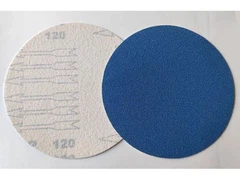
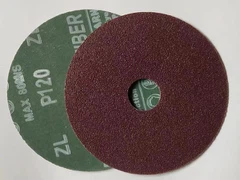
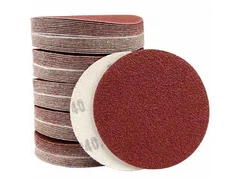
Choose the right sandpaper: First of all, you gotta pick the right one. The coarseness of the sandpaper, that is, the grit size, depends on the material you're sanding and the result you want. Like, if you're removing big flaws or doing rough work, pick a lower grit size. If you're doing fine sanding and going for a smooth finish, then choose a higher grit size.
Check the condition of the sandpaper: When you get the sandpaper, have a look at the surface to see if there's any damage, loose grains, or if it's worn out a lot. These can affect how well it sands and might even scratch the workpiece. If you find something wrong, just get a new one.
Fit it to the sanding tool: If you're planning to use an electric sander or something like that, make sure the sandpaper can be fixed firmly on it. Some sandpapers have self-adhesive on the back and can be stuck right onto the sanding disc. If not, use clips or other ways to make sure the sandpaper doesn't move or fall off when you're sanding.
Prepare the working environment: Sanding makes dust, so it's better to find a place with good ventilation or wear a mask. It's a good idea to put newspapers or plastic film on the floor to make cleaning up easier.
Pre-treat the workpiece: Before you start sanding for real, see if there are any parts on the workpiece that don't need sanding, like areas that are already painted or need protecting. If there are, cover them up with masking tape or paper so you don't accidentally damage them when sanding.
Moisten the sandpaper: For some special sanding jobs, like sanding wood or getting rid of rust on metal, you might need to sprinkle a little water on the sandpaper. That makes the sanding go more smoothly and reduces the dust. But if you're sanding paint or polishing, keep the sandpaper dry.
Test sanding: Before you start the main sanding, give it a try to see if the result is what you expect. If you notice something's not right, like the grains are falling off too much or the sanding is too slow, then adjust it in time.
Send Inquiry