




In-depth Analysis of the Silicon Carbide Sandpaper Industry: Characteristics, Processes, Applications, and a Comprehensive Market Overview
Mar 30, 2025
Leave a message
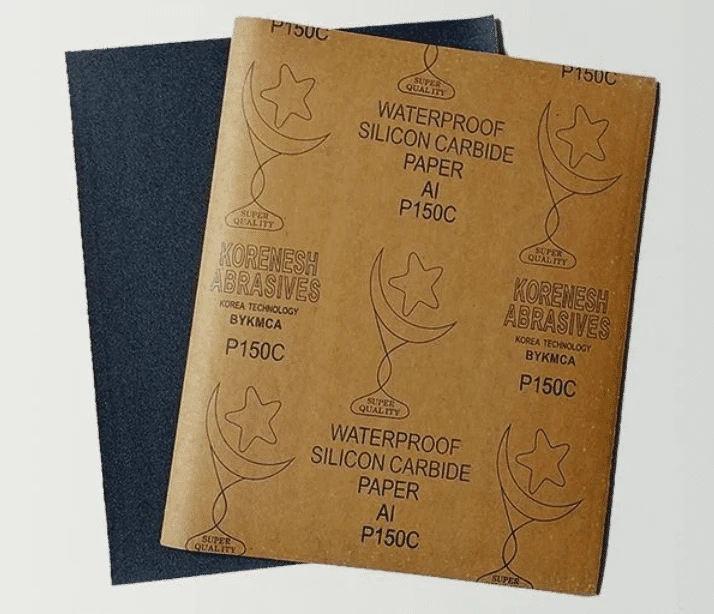
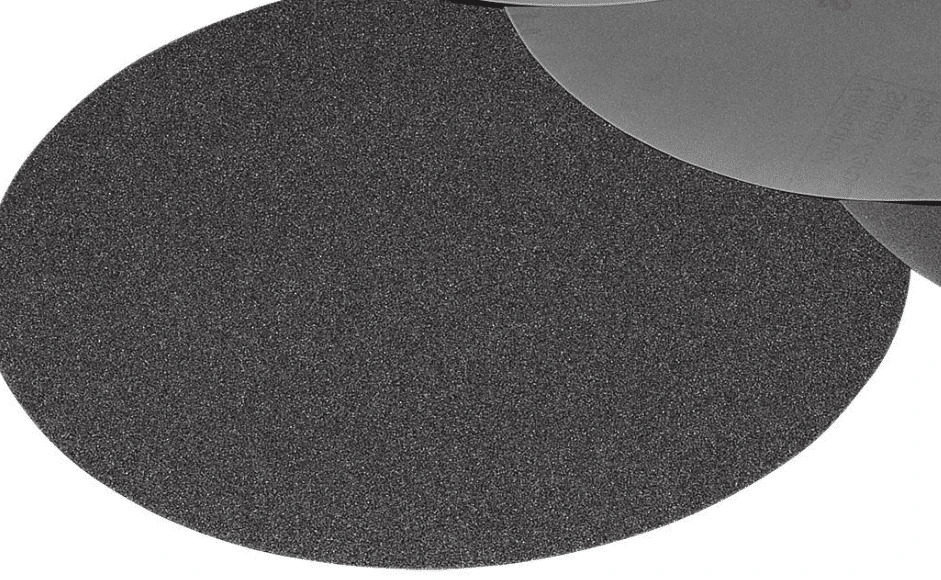
Silicon carbide sandpaper
Silicon dioxide sandpaper is a kind of professional grinding tool with silicon dioxide (SiO₂) particles as the core abrasive. Its surface is evenly covered with silicon dioxide micro-particles that have gone through special processing. These particles are very hard, have strong wear resistance and stable chemical properties. Compared to traditional sandpaper, silicon dioxide sandpaper can give a finer and more even grinding effect. It can effectively reduce scratches and surface damages. It's especially suitable for fine polishing, getting rid of burrs or doing surface pre-treatment for materials like wood, metal, plastic, stone and painted surfaces. It's an indispensable material in fields like furniture making, car repair, mold processing and cultural relic restoration.
Material properties and structure
1. The nature of the material
Silicon carbide (SiC) is a compound semiconductor material made up of silicon and carbon. Its Mohs hardness is 9.55 (only second to diamond). It has high hardness, strong wear resistance, excellent heat resistance (can stand temperatures above 1400°C) and chemical stability. The brittle and sharp particle feature of it makes it the top choice abrasive in precise grinding situations.
2. The structure design of the sandpaper
Base material: We use paper, fabric or polyester film. We choose the strength and flexibility based on the application scene.
Adhesive layer: A compound formula of resin and latex is used. It makes sure the abrasive grains stick firmly and provides a waterproof function at the same time .
Surface morphology: Through electrostatic sand planting technology, the silicon carbide particles are arranged in a certain direction. This raises the grinding efficiency by more than 30%.
Manufacturing process of silicon carbide sandpaper
I. Preparing the raw materials
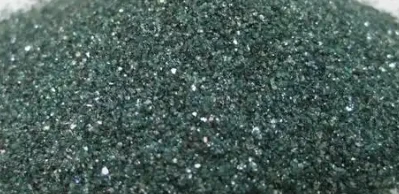
Handling of silicon carbide sand grains
Crushing and screening:Industrial-grade silicon carbide raw materials (usually in blocks or coarse particles) are first crushed with a jaw crusher. Then, they are finely ground by a Raymond mill or jet mill until the particle size reaches the target range (like 60 - 600 mesh).
Screening and grading: Use a vibrating screen to sort the sand grains by particle size to make sure the particle size distribution of each batch is even.
Cleaning and drying:Use ultrasonic cleaning to get rid of the surface impurities. Then, dry them at a low temperature (below 120°C) in a drying kiln to prevent oxidation.
Preparing the additives
Binder: Choose a high-temperature resistant resin (such as phenolic resin) and a latex compound formula to make sure the sandpaper can stick well at different temperatures.
Functional additives: Add antistatic agents, water repellents, and so on to improve the overall performance of the sandpaper.
II. Ingredients and Mixing
Proportion Design
Adjust the proportion of silicon carbide abrasive grains and additives according to the use of sandpaper (such as metal polishing, wood sanding).
Example:Coarse grinding sandpaper (60-120 mesh): silicon carbide accounts for 75%-80%, resin 15%-20%, latex 5%.
Fine grinding sandpaper (600 mesh and above): silicon carbide accounts for 60%-70%, resin 25%-30%, antistatic agent 5%.
Mixing Process
Mechanical stirring: Stir in a double-screw mixer for 60-90 minutes to ensure uniform mixing of abrasive grains and additives.
Vacuum degassing: After mixing, use a vacuum pump to remove air bubbles and improve coating quality.
III. Forming Process
Substrate choice
Paper: It's good for dry abrasive paper. The cost is low, but the water resistance is not so good.
Cloth base: It makes the abrasive paper tougher and is suitable for wet abrasive paper.
Polyester film: It offers excellent water resistance and tear resistance and is used for high-end precise grinding.
Coating ways
Gravity sand planting:The mixed sand grains are scattered freely by free fall onto the substrate coated with the binder. It's low-cost but the uniformity is poor. It's only used for low-grade abrasive paper.
Electrostatic sand planting:Make the sand grains align in a certain direction (with the pointed ends outward) in the electrostatic field. This improves the sharpness and adhesion of the abrasive paper.
Advantages: The sand grains are distributed evenly and the lifespan is increased by 30% - 50%.
Limitations: It's only suitable for fine-grained sand grains of 500 nanometers or less.
Pressing and forming
Manual making:It's pressed by hand with a mold. The efficiency is low and the quality is unstable. It's only used for small-scale production.
Press machine making:Hydraulic or hot press machines are used, with a pressure of 50 - 100 tons. This makes sure the abrasive paper has a uniform density and the thickness error is less than 0.05mm.
IV. Drying and Curing, Coating and Post-treatment
Drying process
Low-temperature pre-drying: Dry it in an oven at 60℃ to get rid of the extra moisture.
High-temperature curing: Heat it up to make the resin fully cure and strengthen the binding force between the sand grains and the substrate.
Protective paint coating
Coat a layer of wear-resistant resin paint on the surface of the sandpaper to make it more durable and have better anti-static performance.Process: Use roller coating or spray coating methods and control the thickness.
Surface treatment
Waterproof treatment: Make the sandpaper more water-repellent through plasma surface treatment.
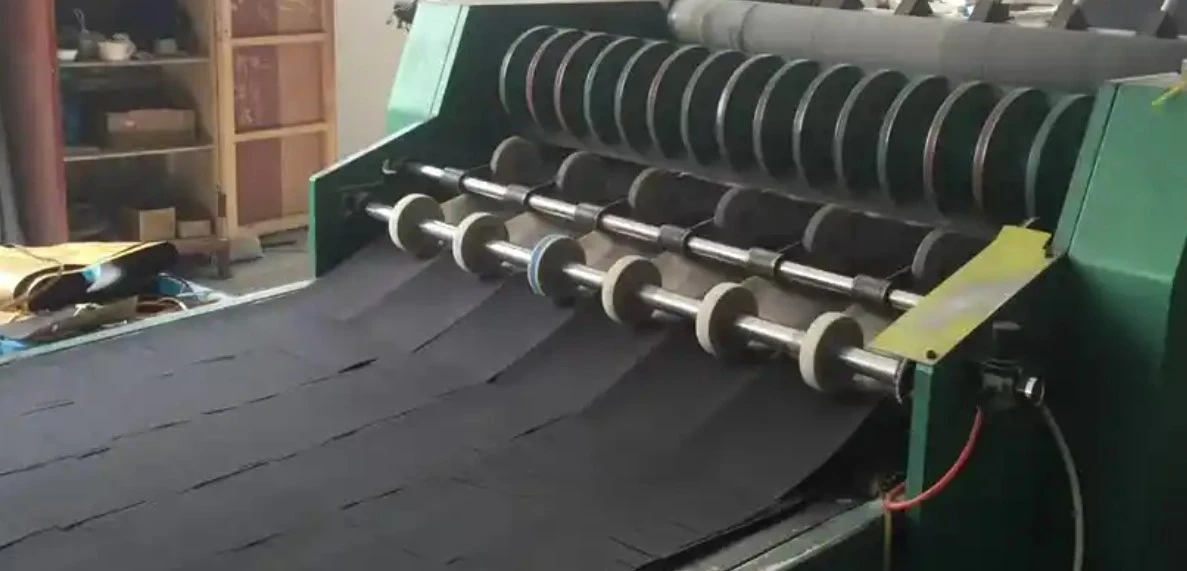
Laser cutting: Cut the sandpaper according to the specifications, and make the edge precision meet the standards.
Deep penetration of application scenarios
| Industry | Application scenarios | Technical requirements | Cases | |
| semiconductor | Wafer thinning, CMP polishing | particle control | silicon carbide epitaxial wafer | |
| New energy vehicles | Battery tray deburring | Anti-electrolyte corrosion coating | Tesla motor housing grinding | |
| Aerospace | Titanium alloy blade polishing | high-temperature stability | processing of aero-engine turbine blades | |
| consumer electronics | Pre-treatment for anodizing the aluminum frame of mobile phones | mirror effect | grinding of iPhone stainless steel frames | |
| laboratory | Metallographic sample preparation | no pollution residue, metal material | microstructure analysis |
Send Inquiry