




Sandpaper Preparation Technology: Materials, Processes and Applications
Mar 25, 2025
Leave a message

Sandpaper is a kind of flexible tool with abrasive particles on its surface. The core of it is made up of the substrate, the binder and the abrasive particles. It can grind, polish or trim the surface of materials through physical friction. Usually, the substrate uses high-strength paper (like kraft paper) or water-resistant and durable fabric materials (like fiber cloth, polyester cloth). The former is low in cost and flexible, which is suitable for manual operation. The latter is mostly used for machine grinding or in damp environments. Special substrates like sponge or film can also meet the processing needs of complex shapes like curved surfaces.
Sandpaper is mainly divided into several types like dry sandpaper, water sandpaper, sponge sandpaper and dust-free net sandpaper.
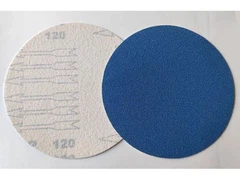
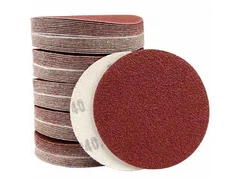
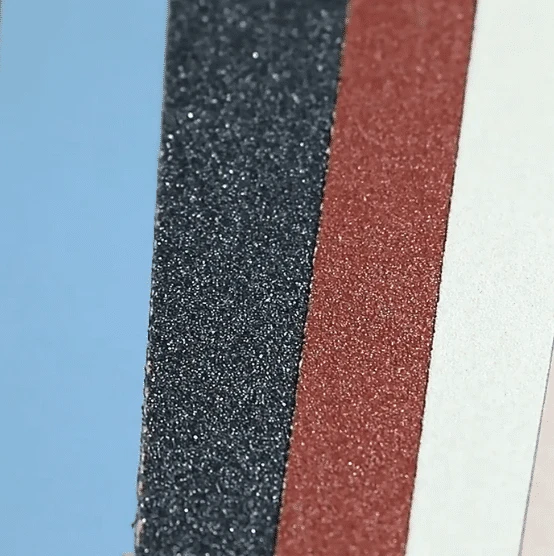
Dry sandpaper uses synthetic resin as the binder to stick silicon carbide abrasive onto latex paper or specially treated kraft paper, and it's coated with an anti-static layer. The gaps between the sand grains are quite large. The grinding debris can fall off by itself and won't get clogged easily. It has a paper base with evenly distributed abrasive particles and obvious gaps between the particles. It's suitable for grinding metal surfaces, wood surfaces, putty and coatings and so on. It's widely used in industries like furniture and decoration, especially in the rough grinding stage.
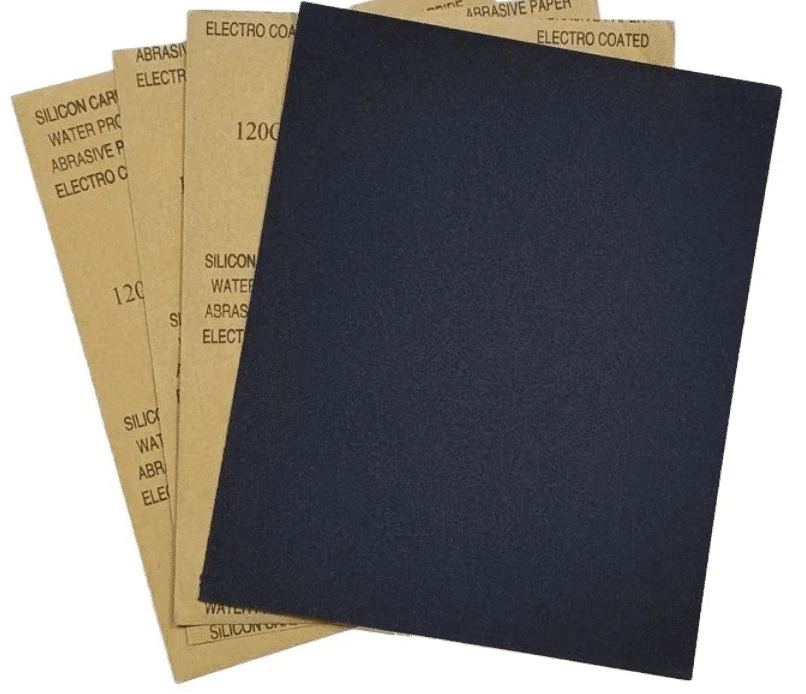
Water sandpaper, also called water-resistant sandpaper, uses water-resistant paper or treated kraft paper as the base. It uses paint or resin as the binder to firmly attach corundum or silicon carbide abrasive to the base. The gaps between the sand grains are relatively small and the grinding debris is also small. When used with water, the debris will flow out along with the water. It has a paper or cloth base with fine and evenly distributed abrasive particles on the surface. It's suitable for grinding items with fine textures, such as stone, hardware, grinding tools and car surfaces and so forth. It's widely used in situations where wet grinding is needed to reduce dust.
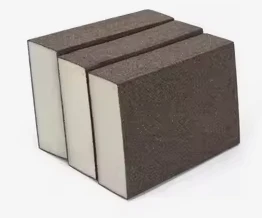
Sponge sandpaper is made up of sponge and abrasive. It combines the soft elasticity of sponge and the wear resistance of abrasive grains. It has strong water absorption and can be reused. The abrasive particles are evenly distributed on the sponge base. It's soft and elastic as a whole. It's widely used in grinding and polishing surfaces in solid wood processing, metal stainless steel processing, mechanical manufacturing and so on. It's especially suitable for curved surfaces or areas that need fine grinding.
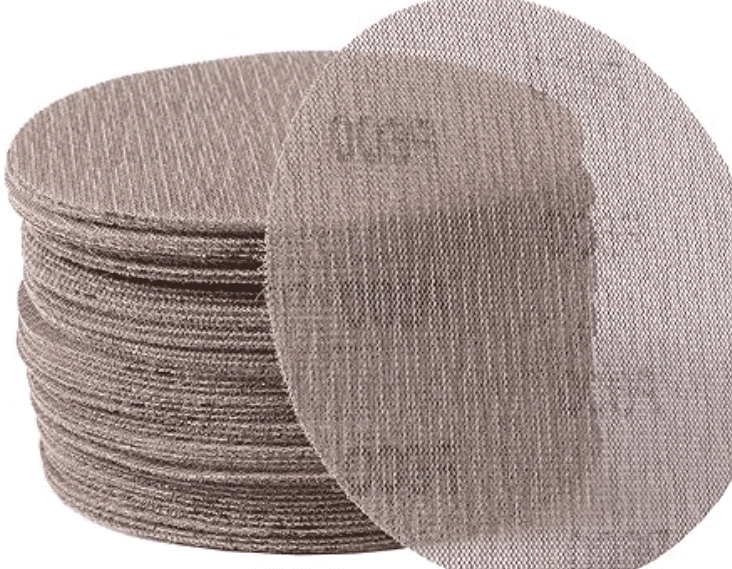
Dust-free net sandpaper has efficient dust absorption ability. When in use, it can minimize the harm caused by the dispersion of harmful particles. It reduces the frequency of changing sand discs. It has a net-like structure on the surface with abrasive particles evenly distributed. It has good air permeability and dust absorption performance. It's suitable for scenarios that have high requirements for the grinding environment, like in automotive manufacturing, aerospace and other fields.
Classification of Sandpaper
Dry sandpaper, wet sandpaper, sponge sandpaper and dust-free net sandpaper
Raw materials for sandpaper
The raw materials of sandpaper mainly include three parts: base material, abrasive and adhesive.
Raw materials
Base material
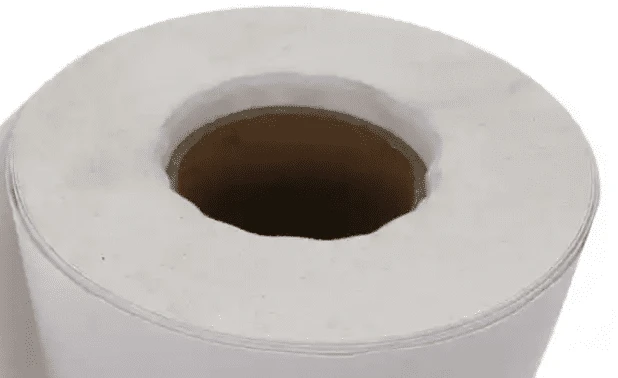
Common ones are paper and cloth. Paper-based base material has a lower cost, but its strength and durability are relatively weak; cloth-based base material, such as cotton cloth and synthetic fiber cloth, has higher strength and durability, and is suitable for more demanding grinding conditions.
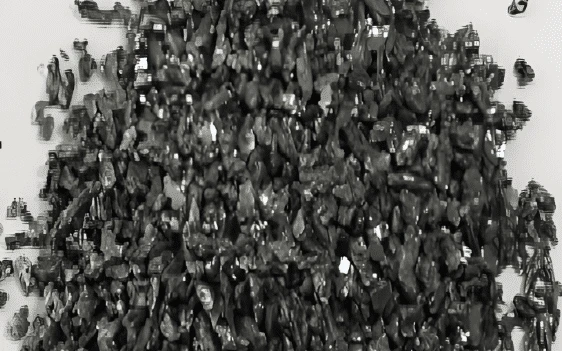
Abrasive
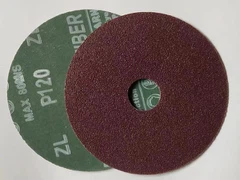
The abrasive particles of sandpaper can be natural minerals such as emery and quartz sand, or synthetic materials such as silicon carbide and alumina. Different abrasives have different hardness and wear resistance, and are suitable for different grinding requirements.
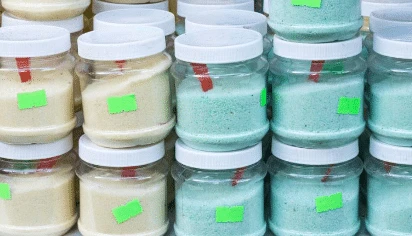
Adhesive
It is used to fix the abrasive on the base material to ensure that the abrasive does not fall off during use. Commonly used adhesives include resin adhesives, etc., which have good bonding performance and weather resistance.
The History of Sandpaper
History
The development history of sandpaper can be traced back to ancient Egypt in the 13th century BC. At that time, people found that using a material to polish the surface of stones could accelerate the grinding process of stones. This material was later called sandpaper.
In the 17th century, the Dutch invented a type of sandpaper used for polishing wooden furniture and paintings. The main material used in this sandpaper was shell powder obtained from the Mediterranean region.
In the 18th century, the production of sandpaper gradually became industrialized and began to be widely used for grinding metal materials. At that time, sandpaper was composed of paper and abrasive particles, with the abrasive particles mainly made of materials such as sand, quartz, glass, and carborundum.
At the end of the 19th century, the Stanley Company in the United States invented a new type of sandpaper that used silicon carbide abrasive particles and fixed them on the paper surface with adhesive. This type of sandpaper greatly improved durability and grinding performance.
In the early 20th century, sandpaper further developed. The particle size and hardness of the abrasive particles were improved, significantly increasing the service life and grinding performance of the sandpaper. In addition, people began to use automated mechanical equipment to produce sandpaper and added various additives to enhance its performance and user experience.
The Production and Development of Sandpaper
1. Pre-treatment of base fabric (when using fabric as the base material)
Dehairing: Remove the fuzz and impurities on the surface of the fabric base through mechanical or chemical methods to make the fabric surface smoother.
Burning off: Use a flame to quickly pass over the fabric surface to burn off the short fibers on the surface, improving the smoothness and gloss of the fabric base.
De-waxing: Remove the wax that may remain on the fabric base during the production process to ensure that the adhesive can be evenly applied.
Dyeing: Dye the fabric base according to requirements to meet the production needs of sandpapers of different colors.
Impregnation and scraping: Immerse the fabric base in a slurry containing resin or other reinforcing materials, and then scrape off the excess slurry to enhance the strength and wear resistance of the fabric base.
Stretching: Stretch the fabric base mechanically in both the longitudinal and transverse directions to achieve a certain degree of extensibility, improving the flatness and dimensional stability of the fabric base.
Calendering: Use a calendering machine to calender the fabric base, making its surface smoother and flatter, laying a good foundation for subsequent gluing and grit application processes.
2. Gluing
Evenly apply a layer of resin adhesive or other adhesives on one side of the treated base material (paper or fabric). The purpose of gluing is to firmly fix the abrasive particles on the base material. During the gluing process, the thickness and uniformity of the adhesive need to be controlled to ensure that the abrasive particles are evenly distributed and firmly attached.
3. Grit application
Uniformly attach the prepared abrasive particles (such as silicon carbide, aluminum oxide, etc.) to the base material coated with adhesive through gravity or electrostatic methods.Gravity grit application utilizes the weight of the abrasive particles to naturally fall onto the base material; electrostatic grit application uses the principle of electrostatic adsorption to make the abrasive particles more evenly distributed on the base material, improving the grinding efficiency and service life of the sandpaper. During the grit application process, the particle size, shape, and distribution density of the abrasive particles need to be controlled to meet different grinding requirements.
4. Re-gluing
Apply another layer of resin or other adhesives on the rough surface of the grit-applied sandpaper to make the abrasive particles adhere more tightly to the base material. The purpose of re-gluing is to enhance the durability and grinding effect of the sandpaper and prevent the abrasive particles from falling off during use.
5. Drying and setting
Send the glued sandpaper into an oven for gradual temperature increase and drying setting. During the drying process, the temperature and time need to be controlled to ensure that the adhesive is fully cured and the abrasive particles are firmly fixed on the base material. The sandpaper after drying and setting has better dimensional stability and wear resistance, meeting different grinding requirements.
6. Cutting and packaging
Cut the dried and set sandpaper into the required shapes and sizes according to the usage scenarios. During the cutting process, ensure that the edges of the sandpaper are neat and free of burrs. Package the cut sandpaper for factory shipment, usually using packaging materials such as cardboard boxes and plastic bags to protect the sandpaper from damage during transportation and storage. The packaging usually indicates the grit size, model, manufacturer, etc. of the sandpaper, facilitating user identification and selection.
Modern Development
With the continuous advancement of technology, sandpaper technology has also been further improved and innovated.
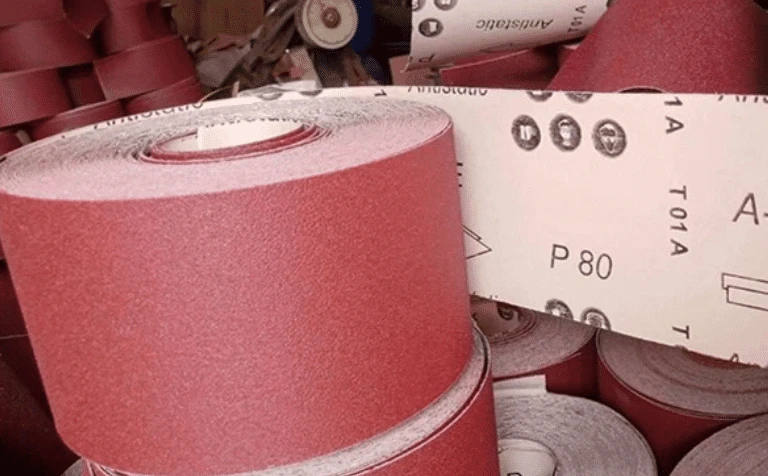
Material Innovation: Modern sandpaper uses more high-performance abrasives and adhesives, enhancing its durability and grinding effect. At the same time, environmentally friendly sandpaper products have emerged, meeting the market's demand for environmental protection.
Process Improvement: The production process of sandpaper has been continuously optimized, improving production efficiency and product quality. For example, the use of electrostatic planting technology can make abrasive particles more evenly distributed on the base material.
Expansion of Application Fields: The application fields of sandpaper have been continuously expanded. Besides traditional fields such as woodworking and metal processing, it is also widely used in automotive repair, furniture manufacturing, architectural decoration, aerospace, and other fields.
Send Inquiry