


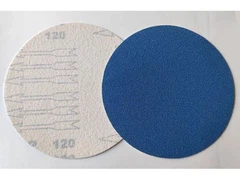
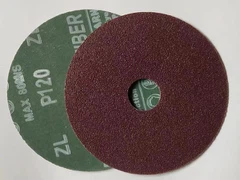
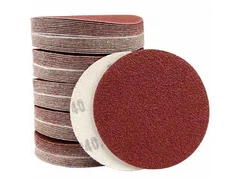


How to select an appropriate alternative through the grit conversion chart of sandpaper to meet specific grinding requirements?
Mar 02, 2025
Leave a message
I. Understanding Sandpaper Grit
The grit of sandpaper means the number of abrasive grains in one inch or 25.4 millimeters. It directly decides how well and how fast the sandpaper can grind. If the grit is coarser, it cuts stronger and is good for taking off a lot of material fast or doing rough grinding. If the grit is finer, it cuts weaker and is good for doing fine grinding and polishing.
II. Reading the Grit Conversion Chart
The grit conversion chart usually shows the same-as things or the suggested places to use for different grit sandpapers. Here's a simple example:
Sandpaper grit size Same-as thing Where to use
60 - 80 mesh Coarse steel wool Take off a lot of material fast, like getting rid of rust or old paint on metal
100 - 220 mesh Medium-coarse sandpaper Do the first grinding to get rid of surface problems
240 - 320 mesh Medium-fine sandpaper Grind more to make the surface smoother
400 - 600 mesh Fine emery paper Fine grinding, good for soft stuff like wood and plastic
800 mesh and above Extra-fine metallurgical sandpaper Polishing to make it like a mirror
III. Choose the Right Alternatives Based on What You're Grinding
Quickly Take Off Material: If you need to take off a lot of material fast, like rust or old paint from metal, pick a coarser grit sandpaper, like 60 - 80 mesh. As an alternative, you can think about using a medium-coarse steel wool.
First Grinding: For the first grinding to get rid of surface problems like scratches and burrs, 100 - 220 mesh sandpaper is okay. At this time, sandcloth is a good choice because it can cut a bit and fits curved surfaces well.
More Grinding: After the first grinding, to make the surface even smoother, you can pick 240 - 320 mesh sandpaper. The same way, medium-fine sandcloth is also a good choice.
Fine Grinding: For places where you need to do fine grinding, like the final step for soft materials like wood and plastic, 400 - 600 mesh emery paper is good. This kind of sandpaper doesn't cut a lot but can make the surface really smooth.
Polishing: If you want to make it like a mirror, like polishing the paint on a car, pick 800 mesh or finer metallurgical sandpaper. This kind of sandpaper has really fine grit and is great for polishing.
IV. Things to Watch Out For
Pick the Right Grit: When you choose the alternatives, make sure the grit fits what you want the grinding to look like. If the grit is too coarse, it might make too many scratches on the surface. If the grit is too fine, it might make the grinding too slow.
Think About the Material: Different materials need different grits of sandpaper. For example, soft materials like wood and plastic are good with fine grit sandpaper. Harder materials like metal and stone might need coarser grit sandpaper.
Be Careful About Safety: When you use any grinding tools, be careful about protecting yourself. Like wear a dust mask and safety glasses. Breathing in the dust from grinding for a long time can be bad for your health.
Send Inquiry