




In an automated grinding system, how to select the appropriate sandpaper specifications to optimize grinding efficiency and precision?
Mar 02, 2025
Leave a message
I. Understanding the Basic Kinds and Features of Sandpaper
First off, you need to know the common kinds of sandpaper in the market and what they're like. Different kinds of sandpaper are good for different materials and grinding needs.
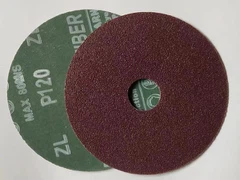
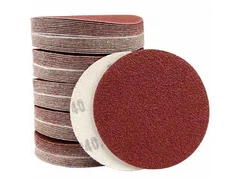
Aluminum oxide sandpaper: It's really good at resisting wear and can be used on all kinds of materials, especially wood and metal.
Silicon carbide sandpaper: The particles are hard and it's made for grinding hard stuff like glass, plastic, and ceramics.
Wet and dry sandpaper: It's good for wet grinding and can make a smooth surface. It's often used for grinding car surfaces.
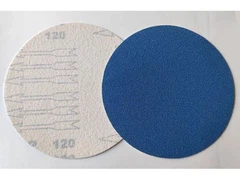
Polyester film sandpaper: It's durable and not easy to break. It's flexible and is great for big areas and uneven surfaces.
II. Picking the Right Sandpaper Grit Based on What You're Grinding
The grit of the sandpaper is super important for how well it grinds. The grit is usually shown by numbers. The smaller the number, the coarser the grit. The bigger the number, the finer the grit.
Coarse sandpaper (20 - 60 grit): This is good for taking off a lot of material, like old paint or uneven surfaces.
Medium sandpaper (80 - 120 grit): Use this for the first grinding and to make things smooth. It can get rid of surface problems.
Fine sandpaper (150 - 220 grit): This is for really fine grinding. It makes the surface even smoother and gets it ready for painting or polishing.
Extra-fine sandpaper (320 grit and up): Use this for the last bit of grinding to get a mirror-like finish.
When you're picking the grit, think about what stage you're at with the grinding and what you want it to look like in the end. For the first grinding, you might want coarse sandpaper. For the final touches, use fine sandpaper.
III. Thinking About the Material You're Grinding
Different materials need different kinds of sandpaper.
Wood: Aluminum oxide sandpaper is a good choice. You can pick the grit from coarse to fine depending on what you need.
Metal: When you're dealing with metal surfaces, silicon carbide sandpaper works best, especially for hard metals.
Hard materials like plastic and glass: Silicon carbide sandpaper is also a good pick.
Big areas or uneven surfaces: Polyester film sandpaper is a better choice because it's durable and flexible.
IV. Combining with the Features of the Automated Grinding System
Automated grinding systems usually can grind really well and have precise control over the path. When you're picking the sandpaper, you need to think about these features.
High-efficiency grinding: Choose the sandpaper that fits the speed of the system to make sure it grinds well.
Precise path control: Use the system's path planning and the grit of the sandpaper to get a precise grinding result.
V. Things to Watch Out For and Maintenance Tips
Change the sandpaper often: As you use the sandpaper, it won't cut as well. When you notice the grinding is too slow, change to a new sandpaper.
Keep the sandpaper wet: For some kinds of sandpaper (like the wet and dry kind), keeping it wet helps it work better.
Regular checks and maintenance: Check the system and how worn the sandpaper is often to make sure everything works right and the grinding is good.
Send Inquiry