




A versatile expert in grinding and polishing
Aug 04, 2025
Leave a message
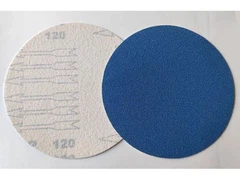
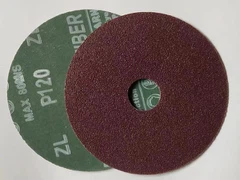
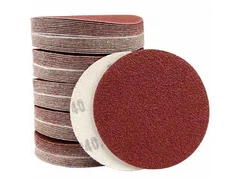
Sandpaper is a versatile tool for grinding and polishing, with its secrets lying in the material and grit size. The base can be either paper or cloth. Paper-based sandpaper is economical but prone to tearing, making it suitable for single use. Cloth-based sandpaper, such as cotton or synthetic fibers, is more durable and particularly suitable for machine grinding. The abrasive is the core component. Aluminum oxide (red) is tough and suitable for both wood and metal. Silicon carbide (black) is sharp and excels at grinding metal and glass. Zirconium aluminum (blue) is wear-resistant and performs well at high speeds. Diamond sandpaper is used for extremely fine polishing of gemstones and stone materials.

The mesh size determines the coarseness. A value of 40-120 mesh is considered coarse sandpaper, which is used for quickly removing rust and initial grinding. 180-320 mesh is medium sandpaper for smoothing surfaces. 400-1000 mesh is fine sandpaper for precise polishing. Sandpaper with a mesh size of 1200 or higher is extremely fine and is specifically used for achieving a mirror-like finish. When choosing sandpaper, it is important to "treat the symptoms": for woodworking, start with coarse sandpaper to remove burrs and then gradually move to finer grades. For metal grinding, silicon carbide is preferred, combined with medium to fine mesh sizes. For car paint surfaces or glass, use water sandpaper, as wet grinding reduces dust and is more efficient. When using, avoid applying excessive force to prevent overheating and wear of the sandpaper. When water grinding, control the amount of water to maintain sharpness. Gradually progress from coarse to fine for grinding to achieve a smooth, mirror-like surface and ensure that coatings adhere better.
Send Inquiry