


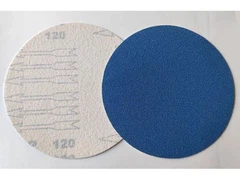
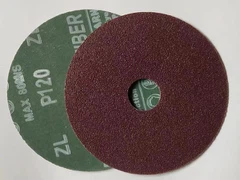
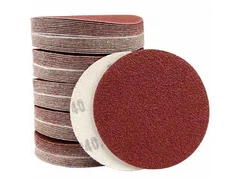


When using the GXK51 roll for grinding, how should the grinding pressure and speed be adjusted to optimize the grinding effect?
Mar 12, 2025
Leave a message
Adjust the grinding pressure
Get to know the initial pressure setting: Before you start grinding, it's a good idea to check the user manual of the GXK51 roll or ask the supplier to find out the recommended range of the initial grinding pressure.
Adjust based on material features: Different materials have different needs for grinding pressure. Harder materials usually need a stronger grinding pressure to make sure the cutting works well. But for softer or more fragile materials, you need less pressure to avoid damaging them.
For instance, for materials that are very hard like metals or ceramics, you can increase the grinding pressure a bit. But for fragile materials like plastics or glass, you need to lower the pressure.
Adjust step by step and watch the result: Don't change the grinding pressure to the max or min all at once. Instead, make small changes gradually and see how the grinding works. If the grinding doesn't go well (like the cutting is too slow or the surface roughness isn't good enough), you can increase the pressure a little. But if you see scratches or damage on the surface of the workpiece, you should lower the pressure right away.
Adjust the grinding speed
Think about the material removal rate: The grinding speed directly affects how much material you can remove. A faster grinding speed can make you more productive, but it might also cause too much cutting force and damage the surface of the workpiece.
So, when you choose the grinding speed, you need to think about both the material removal rate and the quality of the surface.
Match the grinding pressure: The grinding speed and the grinding pressure are related to each other. When you increase the grinding pressure, you usually need to lower the grinding speed a little to keep the cutting force balanced.
On the other hand, if you lower the grinding pressure, you can increase the grinding speed a bit to keep the material removal rate the same.
Avoid overheating and vibration: A too-fast grinding speed might make the grinding area get too hot. That can affect the quality of the grinding and the life of the tool. At the same time, a speed that's too high can also cause vibration, making the grinding unstable and the surface quality worse.
So, when you adjust the grinding speed, you need to keep an eye on the temperature and the vibration during the grinding to make sure everything goes smoothly.
Comprehensive adjustment and optimization
Do a test grinding: Before the real grinding, it's better to do a test grinding to see how different combinations of grinding pressure and speed work. Through the test grinding, you can find the best combination of parameters to get the best grinding quality and productivity.
Check and adjust regularly: During the grinding, you need to check and adjust the grinding pressure and speed regularly to make sure the grinding works well all the time. If the grinding doesn't work as well as before or something strange happens (like too much cutting force or the surface quality isn't good), you should stop the grinding right away and check if the parameters are set right.
Adjust flexibly based on the real situation: The adjustment of the grinding parameters needs to be done flexibly based on what's really going on. For example, when you're grinding different batches or different sizes of materials, you might need to change the grinding pressure and speed to meet the new needs.
Send Inquiry