





What is the working principle of the sanding roll? How does it achieve grinding through rolling?
Mar 10, 2025
Leave a message
I. Basic Structure and Preparation
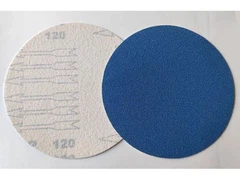
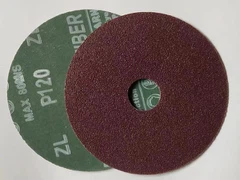
The sanding roll usually consists of a steel roller and abrasive cloth or sandpaper covering the surface of the roller. These abrasive cloths or sandpapers have different grits. You can choose them based on the material of the workpiece and the grinding needs. Before grinding, make sure the sanding roll is installed firmly and the abrasive cloth or sandpaper is tightly attached to the roller surface without being loose or wrinkled.
II. Working Principle
Driven by the electric motor: When you turn on the power, the electric motor starts running and drives the sanding roll to rotate around its fixed axis. In multi-roller sanding machines, the grinding rollers might also move back and forth in the axial direction to improve the grinding effect.
Contact with the workpiece: Put the workpiece that needs grinding under or in contact with the sanding roll. As the sanding roll rotates, the abrasive cloth or sandpaper on the roll starts grinding the surface of the workpiece.
Grinding action: The abrasive grains on the abrasive cloth or sandpaper touch the surface of the workpiece and remove the uneven parts like burrs, scratches, or oxide layers through squeezing and rubbing. Because of the elastic contact of the abrasive belt, the abrasive grains have a strong squeezing and rubbing effect on the workpiece surface, so it has a strong grinding and polishing effect.
Dust handling: During the grinding process, a lot of grinding dust is produced. To keep the working environment clean and the grinding quality of the workpiece good, sanding machines usually have powerful dust collection devices. The grinding dust is sucked away through the dust collection port and sent out of the machine through pipes.
III. Detailed Process of Rolling for Grinding
Initial contact: When the workpiece first touches the rotating sanding roll, the abrasive grains on the abrasive cloth or sandpaper start rubbing against the surface of the workpiece. Because of the elasticity of the abrasive belt, the abrasive grains can fit closely to the tiny unevenness on the workpiece surface to achieve fine grinding.
Continuous grinding: As the sanding roll keeps rotating, the workpiece moves slowly under the action of the feeding mechanism, making the contact point between the workpiece surface and the abrasive cloth or sandpaper change constantly. This way, all parts of the workpiece surface can be ground evenly to achieve the overall grinding effect.
Temperature control: During the grinding process, some heat is generated because of the rubbing. But because the contact arc length between the abrasive belt and the workpiece is long and the force on each abrasive grain is small and even, the heat generated is relatively less. At the same time, the long circumference of the abrasive belt has good heat dissipation, which helps keep the temperature on the workpiece surface stable and avoids burning.
Precision control: By adjusting parameters like the rotation speed of the sanding roll, the feeding speed, and the grit of the abrasive cloth or sandpaper, you can control the grinding precision and effect. For example, increasing the rotation speed of the sanding roll can make the grinding more efficient, but it might also cause the workpiece surface temperature to be too high; reducing the feeding speed can improve the grinding quality but will lower the production efficiency. So, in actual operation, you need to make reasonable adjustments based on the material of the workpiece and the grinding requirements.
Overall, the sanding roll achieves fine grinding of the workpiece through its rotating movement and the rubbing effect of the abrasive grains on the abrasive cloth or sandpaper with the workpiece surface. This process not only improves the flatness and smoothness of the workpiece surface but also provides a good foundation for the following processing and coating steps.
Send Inquiry