


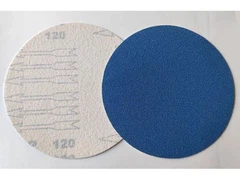
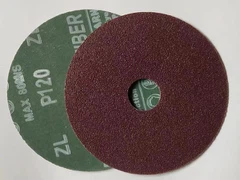
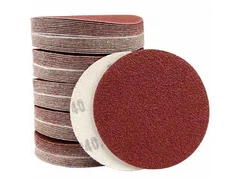


What are the essential differences in the hardness requirements of fiber grinding discs in metal polishing and wood sanding scenarios?
Mar 18, 2025
Leave a message
I. Material Characteristics and Processing Demands
Metal Polishing
The material is super hard: Metals (like stainless steel, aluminum alloy) are way harder than wood. So, the grinding discs need to be hard enough to get into the metal surface and cut well.
The goal of processing: Usually, a really shiny surface finish (like a mirror effect) is wanted. This needs high-hardness grinding discs for fine polishing.
The hardness demand for the grinding discs: We need to use high-hardness fibers (like alumina, silicon carbide) or resin matrices with hard particles to fight against the metal's pushback and keep the cutting efficiency.
Wood Sanding
The material is soft: The fiber structure of wood is loose and not hard. If the grinding discs are too hard, they might cause the surface to tear or get burn marks.
The goal of processing: Focus on making it smooth and keeping the texture. We need to balance cutting and flexibility.
The hardness demand for the grinding discs: Medium-hardness fibers (like polyester fibers) or flexible resin matrices are better. This helps avoid cutting too much and fits the unevenness of wood.
II. Grinding Disc Wear and How Long They Last
Metal Polishing
High wear rate: Metal scraps wear the grinding discs a lot. Even though high-hardness grinding discs cut fast at first, they need to be changed often.
Making them last longer: Balance the hardness and the ability to stay sharp (like adding a diamond coating) to make them last longer.
Wood Sanding
Low wear rate: Wood shavings don't wear the grinding discs much. But flexible grinding discs can lose efficiency because they get clogged easily.
Making them last longer: Use an open fiber structure or an anti-clogging coating to cut down on maintenance while keeping them flexible.
III. Processing Efficiency and Surface Quality
Metal Polishing
A trade-off between efficiency and quality: High-hardness grinding discs make the cutting faster but can leave scratches. We need to use different grain sizes (like rough grinding then fine polishing) to balance efficiency and quality.
Wood Sanding
A balance between efficiency and flexibility: Medium-hardness grinding discs keep the cutting efficiency and adapt to the ups and downs of the wood surface through elastic deformation to reduce flaws.
IV. Differences in Application Scenarios
Metal Polishing: It's often used in making precision instruments and molds. There are strict demands for the hardness and stability of the grinding discs.
Wood Sanding: It's used in making furniture and musical instruments. We need to think about both efficiency and how it looks. The hardness of the grinding discs has to fit the natural features of wood.
Send Inquiry