




What advantages do the cutting shapes of sandpaper (such as circular, square, triangular, etc.) have for specific grinding tasks?
Feb 27, 2025
Leave a message
Round sandpaper
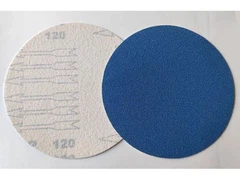
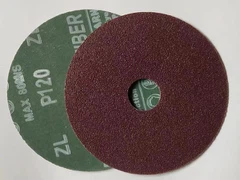
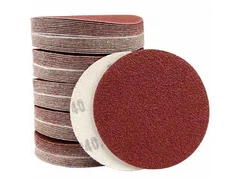
Round sandpaper is the kind we see most often. It's used a lot in many situations.
Advantages: The round design is easy to hold and operate. It makes sure the pressure is spread evenly and boosts work efficiency. Besides, round sandpaper works better on electric sanders because the round edges are smoother and won't cause jumping or getting stuck during sanding.
Application scenarios: It's good for big, flat areas that need sanding, like the surfaces of furniture and cars.
Square sandpaper
Even though square sandpaper isn't as common as round sandpaper, it does a great job in some specific tasks.
Advantages: The edges of square sandpaper are straighter. That makes it easier to handle right angles or edge parts. At the same time, the square design makes it better for sanding on a flat workbench.
Application scenarios: It's suitable for tasks that need precise sanding of right-angle edges or sanding on a flat surface, like dealing with the corners in wood processing.
Triangular sandpaper
Triangular sandpaper is a kind of special and efficient sanding tool.
Advantages: The three corners of the triangle can make the best use of the working area and give a more efficient sanding result. Also, the edge design of the triangle makes it more flexible when dealing with hard-to-reach corners or complicated shapes. Moreover, there's a strict ratio among the size, density and diameter of the grinding particles of the triangular sandpaper. With high-tech processing and making, the grinding accuracy of the triangular sandpaper is very high.
Application scenarios: It's good for dealing with complicated shapes or hard-to-reach corners, like the detailed parts of wood carvings or the inside of car wheels.
Other shapes of sandpaper
Besides round, square and triangular, there are some other special-shaped sandpapers, like belt sandpaper and sponge sandpaper. These sandpapers are more flexible in design and can meet more specific sanding needs.
Belt sandpaper: It's good for long and curvy sanding jobs, like dealing with the seams of wood.
Sponge sandpaper: It has sponge as the base and grinding sand on it. It's a material for grinding and polishing. It's used for fine grinding and high-gloss treatments, like polishing jewelry and small metal parts.
Send Inquiry