




The choice between dry sand and water sand
Jul 21, 2025
Leave a message
I. Water Sandpaper: Fine Grinding in Water
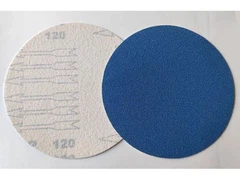
Water-resistant sandpaper, also known as water sandpaper, is made of silicon carbide and has strong grinding power. The base paper is usually kraft paper, and imported latex paper is becoming increasingly popular. Water sandpaper with a latex paper base has excellent flexibility, is wear-resistant and durable. When grinding corners, the abrasive surface is tough, the abrasive grains are firmly attached, and the polishing effect is outstanding.
Why is it suitable for use with water? Because the gap between the abrasive grains is narrow and the debris is small, the powder will flow away with the water after dipping, making the sandpaper durable and maintaining its effectiveness after repeated use. If dry grinding is used, the debris will get stuck in the gaps between the abrasive grains, causing the sandpaper to wear out quickly, become dull and unable to meet customer requirements. Anjichang's water sandpaper is available in a wide range of grits from 80 to 5000. The higher the number, the finer the grit. It can precisely match both fine grinding and initial polishing. We offer various products such as apple-shaped water sandpaper and disc sandpaper sheets, and can customize them according to your needs.

2. Dry Sandpaper: The Master of Dry Surface Sanding
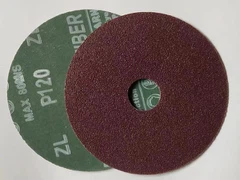
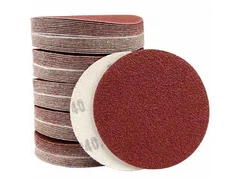
Next, let's look at dry sandpaper, also known as coated sandpaper. Compared with water sandpaper, it has wider gaps between the abrasive grains. When sanding wood, walls, and other surfaces, the debris falls off automatically, and the dry sanding effect is excellent.
Dry sandpaper is mostly made of high-quality alumina. The paper base is usually latex paper, which is flexible and has good heat dissipation, effectively preventing clogging and allowing for repeated use with a long service life. The grit sizes range from 80 to 5000, and it is widely used in wood polishing, metal polishing, and even in the nail art industry.

Send Inquiry