




Sandpaper polishing skills, let you master it easily
Oct 28, 2025
Leave a message
Choose the right sandpaper
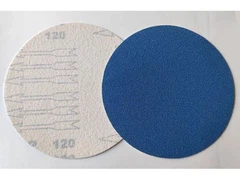
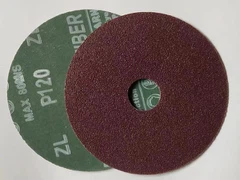
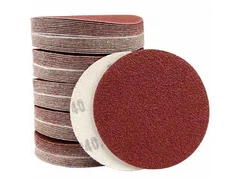
Sandpaper is categorized into different grades based on grit size, typically indicated by Arabic numerals. Higher grit numbers represent finer grit, and these grades are used for different purposes. Coarse sandpaper is suitable for rough work like removing paint and repairing walls, while fine sandpaper is ideal for polishing wood and adjusting furniture.
It's crucial to choose the right sandpaper for your needs; otherwise, you'll waste time and effort, and even negatively impact your work.
Use sandpaper correctly
Never use old sandpaper: Using old sandpaper will result in poor sanding effect and is more likely to damage the object being sanded, because the old sandpaper has worn off the sand grains and is prone to burrs, unevenness and other problems after use.
Clean the item before polishing: Before polishing, be sure to clean the item to avoid being affected by oil, dust, etc., which will also cause more trouble and problems during polishing.
Use sandpaper to sand from the outside to the inside: When holding the sandpaper, use gloves, stick the sandpaper to the surface of the sanding object on the gloves, and sand from the outside in. This will ensure a smoother sanding result.
Details that need attention during polishing
Grinding force should be uniform: Uneven sanding pressure will result in a bumpy surface instead of a smooth and even effect.
Grinding direction should be consistent: When sanding, move the sandpaper along the same direction of the trace to avoid creating new grooves.
Hold the sandpaper flat and press it with one finger: When sanding, hold the sandpaper in your hand and press it with one finger. This will keep the sanding speed steady, reduce rattling noises, and prevent tension or muscle strain in your hands, elbows, and shoulders.
Send Inquiry