




SANDPAPER BUYING GUIDE
Oct 20, 2024
Leave a message
Sandpaper Basics
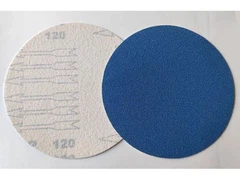
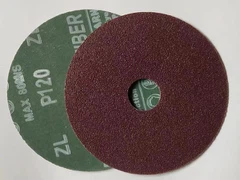
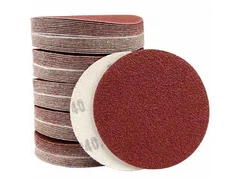
Sandpaper can be used with power tools and for sanding by hand. A power sander removesmaterial quickly and efficiently. lt's a good choice for getting rid of surface blemishes and forshaping and leveling wood. Power-sanding is also an effective way to prep surfaces forpainting. Sandpaper for power-sanding comes in sheets, discs and belts designed to fitspecific power tools. Some tools also accept sheets cut to size.
Hand-sanding products give you a lighter touch for woodworking and finishing. You havebetter control and can sand areas that a power sander can't reach. With proper technique.the scratches align with the woodgrain and are less visible. Sand wood by hand beforeapplying the final finish and between finish coats. Sandpaper for hand-sanding comes insheets you cut to size. Some sandpaper can be used for both hand-sanding and power-sanding.
Sandpaper Types
One way to determine which sandpaper will work best for a particular job is to know theabrasive materials and their properties.Some papers use natural abrasives:
*Garnet is good for hand-sanding. lt works well on raw wood, removing light scratchesand preparing the surface for finishing. The abrasive articles break during use,providing new edges for removing material, but garnet sandpaper wears quickly.
*Emery works for both hand-sanding and power-sanding metal. Use coarse grits toremove rust or paint and finer grits to polish. Emery cloth sandpaper has a clothbacking.
Other abrasives are synthetic:
Aluminum oxide is a common sandpaper type that works on wood, plastic, metal anddrywall. The particles break during sanding, constantly exposing new, sharp edges.Aluminum oxide sandpaper is long lasting, making it a popular choice for power-sanding, and you can also use it for hand-sanding.
Silicon carbide sandpaper removes material more quickly than aluminum oxide butdoesn't last as long. Use it on wood, plastic and metal for tasks such as rough-sanding.removing paint or rust, and sanding between coats when finishing. Use it on drywall to smooth joints. siicon carbide products often have a waterproof backing that you can use for wet-sanding, which is a good technique for minimizingscratches when applying iquid to lubricate the work surface. wet-sanding also helps to prevent the sandpaper from clogging with dust, remove looseabrasive particles and reduce airborne dust.
Zirconia alumina is suitalble for wood,fiberglass, metal and painted surfaces. You'l find it in the form of belts, pads and discs for power-sanding. ikegaret and aluminum oxide abrasives, the particles break during use, maintaining sharp edges thot remove matenidl quickly. Zirconia alumina lasts longethan aluminum oxide.
Ceramic alumina is available in belts and discs for power-sanding and is good for aggressive material removal on wood. Ceramic abrasives are durableasting longer than aluminum oxide.
You may see sandpaper labeled closed coat or open coat.Closedcoat products feature albrasives covering alof the backing. This construction removes morematerial -- making it effective for hand-sanding - but can clog more quickly than open-coat products.0pen-coat products have empty space on thebacking, giving waste moterigl room to accumylte without reducing perfomgnce, since they don't clog as ouickiy thevre effectie for an electric sonder.
Send Inquiry