




how to choose the sandpaper disc?
Dec 26, 2024
Leave a message
Sandpaper discs are an essential tool when it comes to sanding various surfaces, ranging from wood to metal and concrete. It is important to choose the right sandpaper disc for the job to ensure that the surface is smoothly sanded without causing any damage. Here are some things to consider when selecting a sandpaper disc.
1. Grit Size
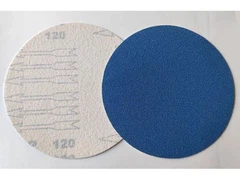
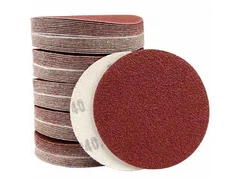
The grit size of the sandpaper disc determines how coarse or fine the abrasive surface is. Sandpaper discs with a lower grit size, such as 60 or 80, are useful for rough sanding on hard surfaces, and discs with a higher grit size, such as 120 or 220, are better for finer finishes. If you are not sure what grit size to use, start with a lower grit and gradually work your way up to a higher grit size.
2. Backing Material
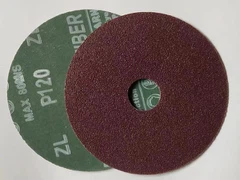
Backing material refers to the material that the abrasive material is attached to on the disc. There are several options for backing materials, including paper, cloth, and fiber. Paper-backed sandpaper discs are best for sanding wood, while cloth and fiber-backed discs are better for metal and concrete surfaces.
3. Abrasive Material
The abrasive material on the sandpaper disc can be made from various materials, such as silicon carbide, aluminum oxide, or zirconia alumina. Each material has its own advantages for a particular type of sanding work. Silicon carbide is ideal for sanding harder materials such as metals and stone, while aluminum oxide is best used for wood and plastics.
4. Diameter
The diameter of the sandpaper disc you choose will depend on the size of the surface that you are working on. It is important to choose a disc that fits your sander appropriately. Smaller diameter discs, such as 5 or 6 inches, are useful for sanding small surfaces, while larger diameter discs, such as 9 or 10 inches, are better for more extensive work.
5. Hole Pattern
The hole pattern on the sandpaper disc is important because it allows dust to be extracted away from the surface being sanded, which can prolong the lifespan of the disc. There are several hole patterns to choose from, including 8-hole, 5-hole, and 6-hole patterns. Choose a pattern that is compatible with your sander.
In conclusion, finding the right sandpaper disc can make the difference between a smooth and professional finish and a rough, uneven result. Consider the grit size, backing material, abrasive material, diameter, and hole pattern when selecting a sandpaper disc to ensure the best result for your project.
Send Inquiry