




How does the uniformity of abrasive particle distribution on sandpaper affect the grinding effect?
Mar 09, 2025
Leave a message
The impact of the uniformity of abrasive particle distribution
Polishing efficiency and effect:
When the abrasive particles on the sandpaper are evenly spread out, each particle can effectively touch the surface of the workpiece during the polishing process and remove the material evenly. This not only makes the polishing go faster but also makes sure the polished surface is flat and smooth, without obvious scratches or bumps.
On the other hand, if the abrasive particles aren't evenly distributed, in the polishing process, some areas might wear out too much, while other areas might not even touch the workpiece surface. This makes the polishing less efficient and might cause the surface to be uneven and have scratches after polishing.
Wear and service life: Sandpaper with evenly distributed abrasive particles can handle the wear more evenly during the polishing process. This means each particle wears about the same and the sandpaper lasts longer.
If the abrasive particles aren't evenly distributed, some particles might wear out too soon and fall off, making the sandpaper stop working early. This not only wastes materials but also makes you have to change the sandpaper more often and costs more.
Consistency of polishing quality: In industrial production, having consistent polishing quality is really important. Sandpaper with evenly distributed abrasive particles can make sure every polishing job meets the same quality standards and this makes the rate of passing for the products higher.
If the abrasive particles aren't evenly distributed, the quality of each polishing job might be different. This makes quality control hard and might even cause the products to not pass the test.
How to tell if the abrasive particles are evenly distributed
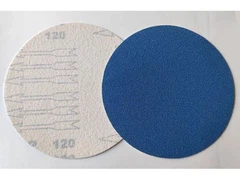
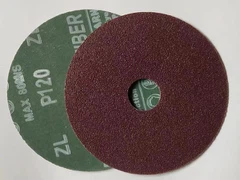
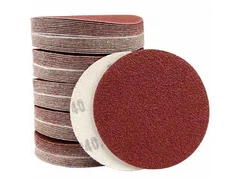
Look at it: You can kind of tell if the abrasive particles are evenly distributed by looking at how the sandpaper looks. Put the sandpaper in a bright place and see if the abrasive particles on the surface are the same size and color. If the particles are different in size and color, it's probably not evenly distributed.
Feel it: You can gently touch the surface of the sandpaper with your hand to feel how dense and even the abrasive particles are. If the surface feels rough and not even, or if there are obvious bumps or dips of particles, it's probably not evenly distributed.
Do an actual polishing test: The most direct way is to tell if the abrasive particles are evenly distributed by doing an actual polishing test. Under the same polishing conditions, using sandpaper with evenly distributed abrasive particles should give you a smoother and more even polishing result.
Send Inquiry