


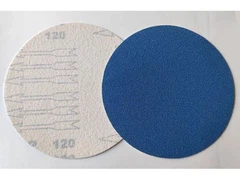
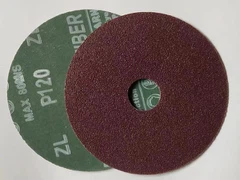
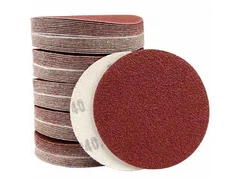


How can open-coat abrasive paper effectively reduce clogging and maintain the sharpness of the abrasive during the grinding process?
Mar 16, 2025
Leave a message
Open-coated design helps reduce clogging
The big gap between abrasives: In open-coated sandpaper, there's a large gap between the abrasive particles. With this design, the debris and dust produced during grinding can fall through the gaps more easily instead of piling up on the surface or between the particles.
Self-cleaning effect: Because of the large gap, the sandpaper can have a "self-cleaning" effect when grinding. New abrasive particles keep showing up to do the grinding, and the worn or clogged ones are removed more easily. So, the overall grinding efficiency of the sandpaper is kept.
Factors for keeping the abrasives sharp
Less abrasive wear: The open-coated design reduces the friction and squeezing between the abrasive particles. That slows down the wear of the abrasives. It means the abrasives can stay sharp for longer and give a continuous grinding effect.
Optimize the grinding pressure: When using open-coated sandpaper, because of the large gap between the abrasive particles, the heat and friction produced during grinding are relatively less. This helps reduce the blunting or falling off of the abrasives caused by overheating or too much friction.
Regular replacement and checks: Even though open-coated sandpaper has the advantages of reducing clogging and keeping the abrasives sharp, it's still necessary to replace the sandpaper and check the condition of the abrasives regularly. This makes sure the sandpaper is always in the best working condition and gives a stable grinding effect.
Tips and things to watch out for when using
Choose the right grit: Based on the features and requirements of the material being ground, pick the right grit of the sandpaper. Coarser grit is good for quickly removing the material or doing the initial grinding, while finer grit is for fine grinding and polishing.
Keep the sandpaper clean: During grinding, clean the debris and dust on the surface of the sandpaper regularly to keep its grinding efficiency. You can use compressed air or a soft brush to clean it.
Control the grinding speed: Grinding too fast might cause the sandpaper to overheat and the abrasives to become dull. So, when grinding, control the speed properly to make sure the sandpaper and the abrasives have the best performance.
Send Inquiry