


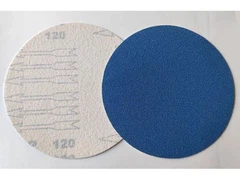
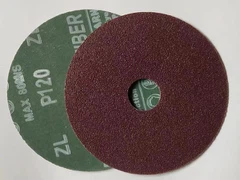
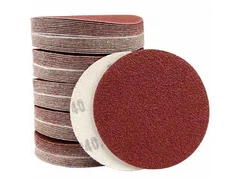


How are the abrasive particles on sandpaper fixed to the base material? What technology or materials are used?
Mar 04, 2025
Leave a message
The abrasive particles on sandpaper are mainly fixed on the base material through electrostatic implantation technology and specific adhesive materials.
1. Electrostatic Implantation
Preparation of base material: First, prepare the base material of the sandpaper, which is usually specially treated paper or fabric with certain strength and wear resistance.
Application of adhesive: Evenly apply a layer of hot melt adhesive or other adhesive material on the base material. The main function of this layer of adhesive is to act as a binder between the abrasive particles and the base material, ensuring that the abrasive particles can firmly adhere to the base material.
Electrostatic implantation: Send the base material coated with adhesive into the electrostatic area. In this area, an electric field is formed between the base material and the ground. When the abrasive particles in the air pass through, they are adsorbed onto the base material due to the electrostatic effect. This process is similar to electrostatic dust removal, but here it is used to evenly lay the abrasive particles on the base material.
Curing: After electrostatic implantation, send the sandpaper into an oven for gradual heating to gradually cure the hot melt adhesive layer and firmly fix the abrasive particles on the base material.
2. Adhesive Materials
In addition to electrostatic implantation technology, the fixation of abrasive particles on sandpaper also relies on specific adhesive materials. These adhesive materials usually have good adhesion and wear resistance, ensuring that the abrasive particles do not easily fall off during use.
Hot melt adhesive: As mentioned earlier, hot melt adhesive is one of the commonly used adhesive materials in sandpaper production. It can quickly melt into a viscous adhesive when heated, effectively fixing the abrasive particles on the base material.
Resin: In the production of some sandpapers, a layer of resin is also applied between the abrasive particles and the base material. The resin layer can further enhance the bonding force between the abrasive particles and the base material, improving the durability and service life of the sandpaper.
3. Selection of Abrasive Particles
The abrasive particles on sandpaper are usually artificial sand grains, such as silicon carbide and aluminum oxide. These materials have properties such as high temperature resistance and wear resistance, making them ideal materials for manufacturing sandpaper. When selecting abrasive particles, factors such as hardness, wear resistance, cutting ability, and application range need to be considered.
4. Relationship between the grit of sandpaper and abrasive particles
The grit of sandpaper refers to the number of abrasive particles per unit area. The higher the grit, the finer the abrasive particles and the greater the number; the lower the grit, the coarser the abrasive particles. Sandpapers of different grits are suitable for different grinding requirements and workpiece materials. For example, coarse sandpaper is suitable for quickly removing large protrusions and uneven parts on the material surface, while fine sandpaper is suitable for fine grinding and polishing stages.
Send Inquiry