




From Rough Grinding to Fine Polishing: A Complete Guide to the Sanding Process
Aug 21, 2025
Leave a message
In the surface processing of metals, wood, plastics, and other materials, sanding is almost always an essential step. From deburring raw parts to achieving a smooth polished finish, different grit sizes of sandpaper, abrasive cloth, and corresponding tools all play critical roles. Choosing the right sanding products and arranging the process scientifically not only determines quality but also directly affects production efficiency.
Grit Sizes and Process Order
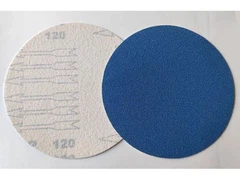
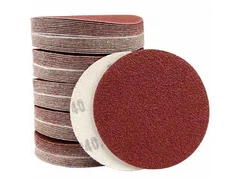
The basic principle of sanding is "coarse to fine." Typically, coarse grit abrasives (such as P40–P80) are used for quickly removing burrs, weld seams, or oxide layers; medium grit (P120–P240) works well for intermediate finishing to achieve a flatter surface; fine grit (P320–P600 and above) is used for fine sanding and polishing, giving the workpiece an ideal finish. The abrasive rolls and sandpaper sheets from SHAOXING SHANGYU COATED ABRASIVES CO.,LTD cover a complete range of grits, helping users accomplish the entire process from rough grinding to fine polishing in one system.
Industry Case Studies of Process Combinations
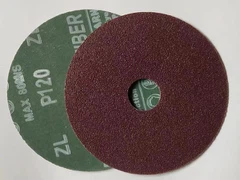
In the metalworking industry, for example, stainless steel pipe surface treatment often requires starting with coarse grit flap discs for large-area grinding, followed by medium-to-fine grit fiber discs for surface transition, and finally polishing with fine abrasive cloth to ensure brightness and a scratch-free surface. In furniture production, the process is somewhat different: sandpaper rolls are first used to remove rough wood fibers, then medium grit sandpaper refines the surface, and finally ultra-fine abrasive cloth achieves a smooth hand feel. Flap discs and fiber discs from Shangyu Coated Abrasives are widely applied in both the metal and woodworking industries as core products.
Tips for Reducing Steps and Improving Efficiency
In real production, many enterprises aim to reduce process steps and shorten production cycles. This requires smart product selection. For example, using higher-quality, sharper flap discs can combine rough grinding and intermediate finishing in one step, reducing the need for an additional stage. Shangyu Coated Abrasives' high-performance abrasive rolls also feature excellent durability and clog resistance, ensuring consistency and stability during longer sanding operations.
Common Mistakes and Selection Advice
A common mistake among users is assuming that the finer the grit, the better the finish. In reality, using fine grit abrasives directly on surface defects is inefficient and may fail to achieve flatness due to insufficient cutting power. The correct approach is to follow the grit sequence step by step, ensuring both efficiency and optimal results. At SHAOXING SHANGYU COATED ABRASIVES CO.,LTD, the team often provides tailored recommendations based on the customer's industry and material type, helping them avoid these common pitfalls.
The sanding process may seem simple, but it involves many nuances. Every step, from rough grinding to fine polishing, requires careful attention to grit choice, product matching, and workflow design. Only by planning the process scientifically and applying the right products can manufacturers ensure quality while boosting production efficiency. Shangyu Coated Abrasives will continue to leverage its comprehensive product line and professional service to deliver efficient, versatile sanding solutions for customers worldwide.
Send Inquiry