




For beginners, how to choose the appropriate sandpaper for sanding work?
Feb 21, 2025
Leave a message
For beginners, picking the right sandpaper for grinding really needs some guidance and knowledge.
First, know about the grit of the sandpaper
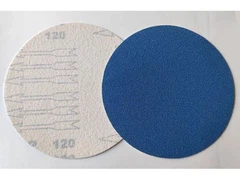
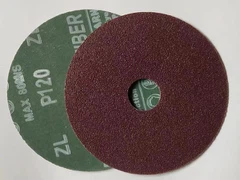
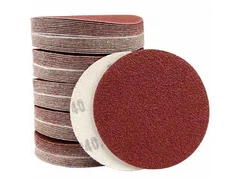
The grit of the sandpaper means the size of the abrasive particles on its surface. It decides how well the sandpaper can grind and where it can be used. The finer the grit is, the less it wears the surface and the more delicate the grinding result is. The grit size of the sandpaper is usually shown by "mesh". The higher the mesh number is, the more abrasive particles there are in one unit area and the smaller the abrasive particles are.
1. High mesh sandpaper: Like 800 mesh or higher, it's good for getting rid of tiny flaws and makes the surface smoother and more delicate after grinding. This kind of sandpaper is fine and it's easy to control the force. It's not likely to cause extra scratches. It's really great for beginners when they do fine grinding.
2. Low mesh sandpaper: Like 100 mesh or lower, the particles are coarser. It's good for quickly getting rid of big areas of roughness or old coatings. But when you use it, you need to be more careful to avoid causing unnecessary damage to the surface.
Second, think about the nature of the material you're grinding
Different materials have different needs for sandpaper. So, when you choose sandpaper, you need to think about the nature of the material you're going to grind.
1. Wood: The surface of wood is usually soft. You can choose sandpaper with a medium grit, like 120 - 220 mesh. This way, it can get rid of the burrs and uneven parts on the surface and keep the natural texture of the wood.
2. Metal: The surface of metal is harder. You need to choose sandpaper that's harder and has a stronger cutting force, like the kind with aluminum oxide abrasive. At the same time, choose the right mesh number based on how rough the metal surface is. For example, when you're getting rid of welding seams and scratches, you can use low mesh sandpaper to grind first, and then use high mesh sandpaper for fine polishing.
3. Hard materials like glass and ceramics: These materials need sandpaper with even higher hardness, like the kind with silicon carbide or diamond abrasive. At the same time, since these materials are easy to break, you need to be more careful when you operate.
Third, choose the right type of sandpaper
There are many types of sandpaper. Different types are suitable for different grinding situations and needs.
1. Sponge sandpaper: It's good for grinding products with curved edges. The sponge in the middle can act as a buffer. It has high grinding efficiency and is less likely to damage the surface. For beginners, this type of sandpaper is easier to use and control.
2. Dry grinding sandpaper: It's suitable for dry grinding situations like metal, walls, and plastic products. It has a high cutting force, doesn't produce much debris, and is good in softness and wear resistance. But when you use it, you need to be careful to prevent static electricity and debris from splashing.
3. Water-resistant sandpaper: You can use it when there's water. It has less dust and high work efficiency. It's suitable for grinding situations that need a lot of water flushing, like stone processing. But for beginners, it might take some time to get used to this wet grinding environment.
4. Dust-free sandpaper: It can minimize the harm to the working environment. It has very little dust and is highly efficient. It's suitable for situations that have high requirements for the grinding environment, like processing precision instruments. But for regular beginners, it might not be a necessary choice.
Fourth, pay attention to the quality of the sandpaper
The quality of the sandpaper is also an important thing that affects how well it works. Good quality sandpaper usually has better wear resistance, cutting force and a longer service life. So, when you choose sandpaper, you can think about some products with guaranteed quality first.
Fifth, use the sandpaper safely
When you use the sandpaper for grinding, you also need to pay attention to the following safety points:
Keep the work area tidy to avoid anything getting in the way of the grinding.
Wear proper protective gloves and glasses to stop the abrasive from splashing and hurting your skin and eyes.
Choose products that meet environmental protection standards to reduce pollution to the environment.
Clean and dry the sandpaper in time after using it to make it last longer and prevent bacteria from growing.
So, choosing the right sandpaper for grinding needs to think about several factors, including the grit of the sandpaper, the nature of the material you're grinding, the type of the sandpaper and its quality. For beginners, you can start by knowing these basic factors and gradually learn the skills and methods of choosing the right sandpaper for grinding.
Send Inquiry