




Distinguishing between dry sandpaper and water sandpaper
Mar 12, 2024
Leave a message
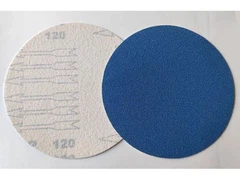
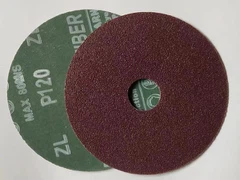
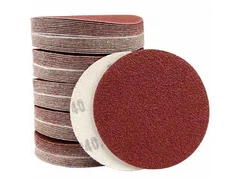
What is the essential difference between sandpaper and dry sandpaper? Is it really like the literal meaning? Why does dry sandpaper not use water, but water sandpaper does? Water sandpaper has smaller gaps between its sand particles and produces smaller fragments. When used with water, the fragments will flow out with the water, so it is best to use it with water. If water sandpaper is used for dry grinding, the fragments will remain in the gaps between the sand particles, causing the surface of the sandpaper to become shiny and unable to achieve its original effect. Dry sandpaper is very convenient, as there is a large gap between the sand particles and the resulting debris is also large. During the grinding process, the debris will fall off due to the large gap, so it does not need to be used with water. Dry sand is commonly known as red sand and white sand, with the difference being that the former does not have an anti clogging coating treatment. Water sandpaper grinds slower but produces a smoother finish (the finer the water sandpaper, the slower it grinds, and it also shines, commonly used in oil grinding for high gloss products); Dry sandpaper grinds faster but produces coarser material (the thicker the dry sandpaper, the faster it grinds and the coarser it becomes. Generally, 400 grit or less is commonly used in white wood grinding, while 400-800 grit is commonly used in oil grinding).
Send Inquiry