




Detailed explanation of the relationship between sandpaper particle size and scratches
Nov 23, 2024
Leave a message

The relationship between the grit of sandpaper and its scratching ability is complex and involves multiple factors. Here is a detailed explanation of this topic:
Basic Concepts of Sandpaper Grit
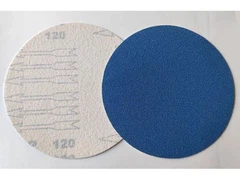
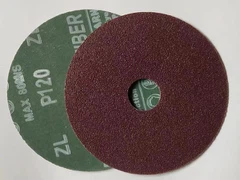
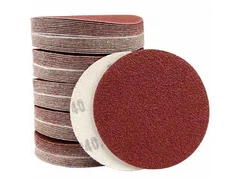
The grit of sandpaper refers to the number of abrasive particles contained in each square inch of sandpaper. The higher the grit, the smaller the abrasive particles, and the finer the sandpaper; the lower the grit, the larger the abrasive particles, and the coarser the sandpaper. For example, sandpaper with a grit of 100 is much coarser than sandpaper with a grit of 2000.
Relationship between grit and scratching ability
Generally speaking, the lower the grit (i.e., the larger the abrasive particles), the stronger the scratching ability of the sandpaper. This is because larger abrasive particles are able to cut deeper into the surface of the workpiece, resulting in deeper scratches. Conversely, sandpaper with a higher grit has smaller abrasive particles and relatively weaker scratching ability, so it is less likely to leave obvious scratches on the surface of the workpiece.
However, this relationship is not absolute. In fact, scratching ability is also affected by other factors, such as:
- Abrasive type: Different types of abrasives (such as aluminum oxide, silicon carbide, etc.) have different hardness and cutting ability, so different types of sandpaper may have different scratching ability even if the grit is the same.
- Workpiece material: The hardness of the workpiece material will also affect the scratching ability of sandpaper. For example, harder materials may be more resistant to scratching by sandpaper, while softer materials are more easily scratched.
- Usage method: The way you use sandpaper will also affect its scratching ability. For example, applying more pressure or using faster movement speeds can cause deeper scratches.
How to choose the right sandpaper grit
Choosing the right sandpaper grit depends on your specific needs. Here are some common application scenarios and their recommended grits:
- Roughing: If you need to remove a lot of material quickly, you can choose sandpaper with a lower grit (such as 100 or 200 grit). These sandpapers have strong scratching ability and can cut into the workpiece surface quickly.
- Finishing: If you need to achieve a smooth surface, choose sandpaper with a higher grit (such as 2000 or higher grit). These sandpapers have weaker scratching ability and can produce a delicate surface effect.
- Intermediate processing: If you need to transition between roughing and finishing, choose sandpaper with a medium grit (such as 500 or 1000 grit). These sandpapers have a moderate scratching ability and can balance the need to remove material and achieve a smooth surface.
Conclusion
The relationship between the grit of sandpaper and its scratching ability is complex and involves multiple factors. Generally speaking, the lower the grit, the stronger the scratching ability of the sandpaper; the higher the grit, the weaker the scratching ability. However, this relationship is also affected by factors such as abrasive type, workpiece material, and application method. Therefore, when choosing a sandpaper grit, you should consider these factors in combination to meet your specific needs.
Send Inquiry