


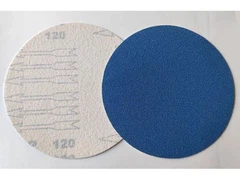
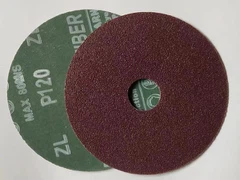
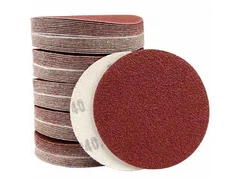


Can I use sandpaper instead of emery cloth?
Dec 25, 2024
Leave a message
Sandpaper and emery cloth are both abrasive materials that are used in the process of sanding and smoothing different surfaces. They are commonly used in DIY projects, woodworking, and metalworking to remove old paint, rust, and other imperfections from different surfaces.
While both sandpaper and emery cloth serve the same purpose, they differ in terms of their composition, grit sizes, and application. Emery cloth is made from a fabric backing and coated with abrasive particles, primarily made from aluminum oxide. Sandpaper, on the other hand, is made from paper or cloth backing and coated with abrasive particles made from various materials such as aluminum oxide, silicon carbide, or garnet.
In most cases, sandpaper can be used as a substitute for emery cloth, especially when you need to work on a material that is relatively soft or less abrasive. However, if you are working on a piece of metal, emery cloth may be preferred as it is typically more durable and more effective in removing rust and other hard-to-remove materials.
It is worth noting that the grit sizes of sandpaper and emery cloth can vary significantly, with some grits being more aggressive than others. It is essential to choose the right grit size for your project based on the surface being sanded and the level of abrasion required. In general, emery cloth comes in finer grit sizes and is better suited for polishing and finishing tasks, while sandpaper comes in a wider range of grit sizes and is more versatile.
When using either sandpaper or emery cloth, it is important to wear proper protective equipment, including gloves, eye protection, and a dust mask, to prevent injury and inhalation of potentially harmful dust particles. Additionally, it is essential to keep the sanding area clean and free from any debris or obstructions to prevent damage to the surface being sanded and ensure a smooth, uniform finish.
In conclusion, while sandpaper can be used as a substitute for emery cloth in many instances, it is essential to choose the right abrasive material and grit size for your project based on the surface being sanded and the level of abrasion required. By taking the necessary precautions and using the appropriate sanding tool, you can achieve a professional-looking finish on your DIY projects.
Send Inquiry