




A Brief Chat about Sandpaper
Sep 15, 2025
Leave a message
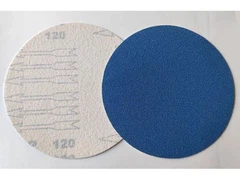
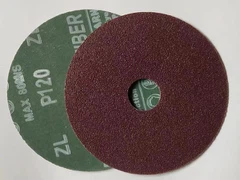
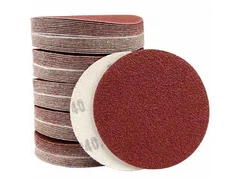
Sandpaper, it may not seem like much at first glance, but it's actually a real "handy tool" in industrial manufacturing. Whether it's metal processing, car painting, woodworking sanding, or polishing 3C products, you can find it everywhere. Don't think it's just a piece of paper with some sand grains stuck on. There's a lot more to it. Like, how do you choose the base material, what kind of material to use for the sand grains, and how to make them stick better? These little details really determine how good the sandpaper is to use.

The most common dry sandpaper in the old days had kraft paper as the base. They'd coat it with latex and then stick on silicon carbide sand grains. The spaces between the sand grains of this kind of sandpaper are big. When you're sanding, the debris just falls off by itself. It's really good for getting rid of burrs on metal or doing a rough sanding on wood. Then came water sandpaper. They changed the base to water-resistant kraft paper, used aluminum oxide for the sand grains, and switched the adhesive to varnish. You have to wet this sandpaper when using it. It makes less dust when sanding, and the sand grains don't get dull easily. When you use it to prepare the surface before painting a car, the paint will go on smoother. Now there's also sponge sandpaper. It uses polyurethane foam as the base, and the sand grains are so fine, like tiny "needles" on a micron scale. It can fit all kinds of curved surfaces. When you polish a phone case with it, you can get a finish that's almost like a mirror.

Making high-end sandpaper is even more finicky. Take the popular electrostatic sand-planting technology these days. It uses a high-voltage electric field to make the sand grains line up and stick vertically to the base material. This way, the sand grains are evenly spread out, and the sanding efficiency is 30% higher than with the old methods. Take the third-generation adhesive-backed sandpaper made by Yousuda. They use a bunch of complex processes, and the sand grains stick really well. It's not like the old adhesive-backed sandpapers where the sand grains would fall off while you're using it, and the debris would stick to the workpiece. The base of this new sandpaper is thicker too. After you're done using it, just rinse it with water and you can use it again. When you're sanding models, it can boost the efficiency by 40%.
Different industries have different needs for sandpaper. For metal processing, you've got to use aluminum oxide sandpaper. The sand grains are hard, and you can get a super-smooth surface of Ra0.2μm on a stainless steel plate. Woodworkers usually like silicon carbide sandpaper. They start with 80 mesh and go up to 2000 mesh gradually. The grain of solid wood furniture will look really natural that way. In car repair, it's even more particular. First, use water sandpaper to remove the old paint, then dry sandpaper to even out the surface, and finally, use 2000-mesh super-fine sandpaper to polish. Only then will the new paint be shiny enough. A lot of high-end car factories follow this standard when fixing cars.
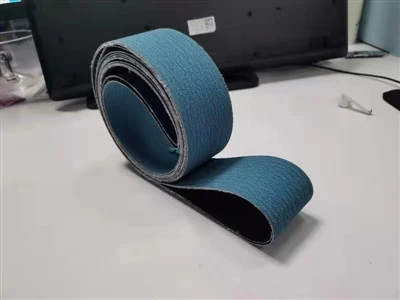
All in all, sandpaper is all about the details. Whether the base material is a bit softer or harder, the sand grains are a bit coarser or finer, or the sticking is a bit stronger or looser, it all affects the final result. Right now, all the manufacturers are competing on these little things, just to make sanding easier and more productive.
Send Inquiry