




Diamond Sandpaper
SHAOXING SHANGYU COATED ABRASIVES CO..LTD is located inLianghuIndustrial Zone of Shangyu District, Shaoxing City,It's a specializedcoated abrasive industrial company that collects designing, developingproducing and selling into integration.
Company with"double horse" and"dark horse","shun source""flying wheel" and other brands as the center. The main production waterproolabrasive paper, silicon carbide sand paper, animal glue emery cloth, half resinemery cloth,resin over resin emerycloth, super coated sandpaper and abrasivecloth, metallographic sand paper and related coating with abrasive products.
Why Choose Us
Professional Team
Horizon decided to state,all take the customer as the center, tale the goocfaith as the basic,in order to prefect for the target.Customer satisfactioris our eternal criteria!
High Quality
The product is widely used in machinery, wood, plastics, electronics, instruments, automobiles, shipbuilding, glass and other fields, and is welcomed by customers at home and abroad.
Rich Experience
The main production waterproolabrasive paper, silicon carbide sand paper, animal glue emery cloth, half resinemery cloth,resin over resin emerycloth, super coated sandpaper and abrasivecloth, metallographic sand paper and related coating with abrasive products.
Factory
SHAOXING SHANGYU COATED ABRASIVES CO..LTD is located inLianghuIndustrial Zone of Shangyu District, Shaoxing City,It's a specializedcoated abrasive industrial company that collects designing, developingproducing and selling into integration.

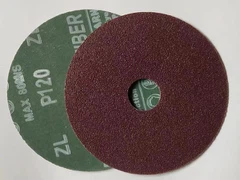
Fiber discs are heavy-duty discs ideal for weld removal, grinding, and blending largeand small areas of metal surfaces. They feature a tough, stiff backing made fromvulcanized fiber that resists wear and can handle tough grinding applications.

This paper is mainly used in making beauty tools and wood working, such as nail polisher, nail file, foot file, wood flooring, wood furniture, with performance of endurability, lower prices and high working efficiency.

Open coat leads to an even and consistent scratch pattern. Special stearate coating is designed to prevent clogging and loading, and enhance the durability. High strength resin bond system provides superior grain support. Uniform dust extraction, extending sanding life and increase productivity.

Because it is made of high-quality CERAMIC fused aluminum oxide, this sandpaper will last longer and provide perfect sanding results. Its exceptional quality means that you can be confident it won't shred, crumble, or disintegrate while in use.

Made from alumina oxide abrasive, durable, anti-static, and anti-clogging, apply to metal and non-metal, wood, rubber, leather, plastic, stone and other materials grinding, and polishing.

Silicon carbide sandpaper are mainly used for grinding, polishing, rust removal and deburring of metal, wood, plastic,leather, glass, ceramics and other materials.

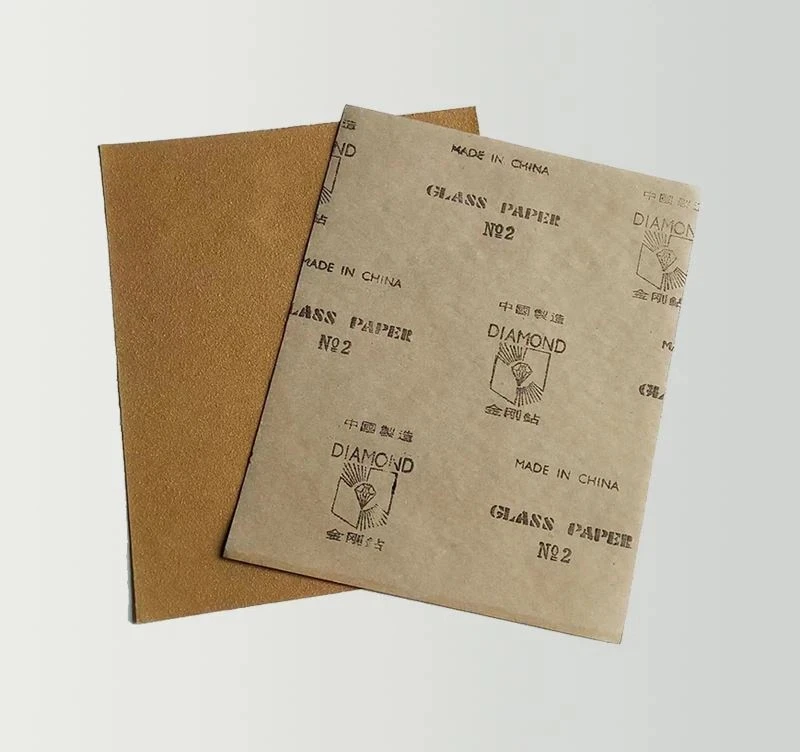
Dry sandpaper, also known as dry sanding paper, is a type of sandpaper that is used for dry sanding applications. It is usually made from a flexible paper or cloth material that is coated with abrasive particles on one side or both sides.

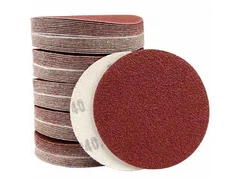
Made with Super Coated Aluminum OxideCorundum for a sharp cut and uniformfinish to the surfaces. Quick and easyremoval of discs with a secure andconsistent connection from disc to disc.

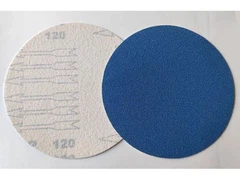
The backing of this sandpaper is soft latex paper,special product suitable for higrrequirement sanding. Used as VELCRO and PSA disc,suitable for woodssurfaces and paint polishing.
What Is Diamond Sandpaper?
Diamond sandpaper is a type of abrasive material that is used for sanding and polishing various surfaces, including gemstones, metals, wood, and concrete. Unlike traditional sandpaper, which is made from minerals like garnet or aluminum oxide, diamond sandpaper is made with a layer of synthetic diamonds that are adhered to a flexible backing material.
Diamond sandpaper is also known for its exceptional cutting power and precision. The sharp edges of the diamond particles allow for precise and efficient material removal, resulting in a smooth and polished finish. Additionally, diamond sandpaper is available in a wide range of grit sizes, allowing for different levels of abrasiveness depending on the desired outcome.
Benefits of Diamond Sandpaper
Durability
Diamond sandpaper is incredibly durable and long-lasting. The diamond particles are securely bonded to the sandpaper, ensuring they won't easily wear off or become dull. This means you can use the sandpaper for extended periods without needing to replace it frequently, saving you time and money in the long run.
Versatility
Diamond sandpaper can be used on a wide range of materials, including gemstones, metals, glass, ceramics, and even wood. This versatility makes it a valuable tool for various applications, from jewelry making to woodworking. You can rely on diamond sandpaper to deliver consistent and high-quality results across different materials.
Precision
The sharpness of diamond particles allows for precise and controlled sanding. Whether you're working on intricate carvings or delicate gemstones, diamond sandpaper enables you to achieve fine details and smooth finishes. This precision is especially important in industries where accuracy is crucial, such as jewelry making and lapidary work.
Mess-free: Unlike traditional sanding papers, diamond sandpaper is designed to be used with water. This eliminates the need for messy lubricants or oils, making the sanding process cleaner and more convenient. Simply wet the diamond sandpaper and start sanding, and you'll have a beautifully polished product without the hassle of cleanup.
Diamond sandpaper is a revolutionary tool that utilizes the power of diamonds to achieve exceptional results in sanding applications. Unlike traditional sandpaper, which is made of abrasive minerals glued onto a paper backing, diamond sandpaper features a flexible sheet metal with a diamond surface. This diamond surface provides aggressive removal of material, making it much faster and more efficient than regular sandpaper.
The key to the effectiveness of diamond sandpaper lies in its 100 percent diamond exposure. This means that every part of the surface is covered in diamond particles, allowing for consistent and precise sanding. The diamonds are incredibly hard and durable, ensuring a longer lifespan compared to traditional sandpaper.
When using diamond sandpaper, it is important to note that it can be used wet or dry, depending on the application. The flexibility of the material allows for easy maneuverability, making it ideal for sanding intricate details or tight crevices. It is also suitable for smoothing rounded areas and removing sharp edges.
One of the advantages of diamond sandpaper is its versatility. It can be used on various materials, including ceramics, bone dry or high-fired clay, glaze, glass, tile, stone, and even wood.
Material Composition of Diamond Sandpaper
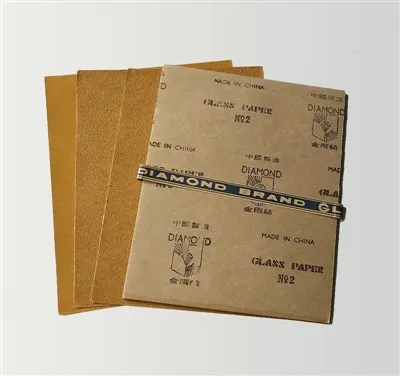

The basic components of diamond sandpaper include the sandpaper base material (which serves as the basis of its structure) and the diamond coating (which imparts the abrasive properties necessary for effective material removal and surface finishing). The sandpaper base used in diamond sandpaper is typically made from cellulose paper, cloth, or polyurethane foam, with each material offering unique advantages in terms of flexibility, durability, and compatibility with different surfaces. A defining feature of diamond sandpaper is the diamond coating, which is carefully applied to the sandpaper substrate to ensure an even distribution of diamond particles.
The technique used during diamond particle application significantly affects the uniformity and integrity of the coating, thereby affecting the overall grinding efficiency and longevity of the sandpaper. Controlling the size and density of diamond particles during the manufacturing process plays a key role in determining the grinding effectiveness and performance characteristics of diamond sandpaper. These parameters directly affect the accuracy and speed of diamond sandpaper surface refinement. Generally speaking, the finer the diamond particles, the higher the precision of the grinding, resulting in a smooth polished surface with special details.
The Difference Between Diamond Sandpaper And Ordinary Sandpaper
Unlike regular sandpaper, diamond sandpaper harnesses the power of synthetic diamond particles. With high hardness and excellent wear resistance, diamond sandpapers have a longer service life.
Traditionally, sanding was a laborious process that often required frequent replacement of worn sandpaper. However, the introduction of diamond sandpapers changed the way materials are smoothed and prepared for various applications. Diamond is known for its exceptional hardness, ensuring that the sandpapers remain effective for a longer period of time. This longevity is key to reducing downtime and increasing overall productivity, making diamond sandpapers the first choice in industries ranging from woodworking to metalworking.
The high wear resistance of diamond sandpapers not only enhances their service life but also improves grinding efficiency. Diamond particles provide consistent wear on a variety of materials, resulting in a smoother surface and reduced time. Additionally, the exceptional durability allows the sandpaper to withstand greater pressure and higher speeds, further optimizing the sanding process. This means increased productivity, cost savings, and process improvements. Additionally, diamond sandpapers offer exceptional versatility, allowing it to handle a variety of applications with ease. Whether you're sanding hardwood, composites, ceramics, or even concrete, diamond sandpapers deliver superior results. Its ability to handle different materials with ease makes it a popular tool in various industries.
Applications of Diamond Sandpaper
Gemstone Polishing
Diamond sandpaper is perfect for polishing gemstones, removing harsh markings, and achieving a smooth, flawless finish. Its abrasive surface allows for precise control and effective removal of imperfections.
Stone and Concrete Fabrication
When working with stone and concrete, diamond sandpaper is essential for shaping and smoothing surfaces. It can easily remove rough edges, scratches, and blemishes, resulting in a professional and polished look.
Woodworking
Diamond sandpaper is also used in woodworking projects. It can be used to smooth and shape wooden surfaces, removing rough spots and preparing the wood for finishing. Whether you're working on furniture, cabinets, or crafts, diamond sandpaper is a valuable tool.
Metalworking
Diamond sandpaper is effective for sanding and polishing metal surfaces. It can remove rust, scratches, and oxidation, leaving the metal smooth and ready for further processing or finishing.
Lapidary Work
Diamond sandpaper is commonly used in lapidary work, which involves cutting, shaping, and polishing gemstones. It can be used to refine and polish gemstone surfaces, creating a beautiful and lustrous finish.
Glass and Ceramic Work
Diamond sandpaper is ideal for working with glass and ceramic materials. It can be used to smooth and shape edges, remove imperfections, and achieve a high level of precision in glass and ceramic art projects.
How to Maintain Diamond Sandpaper
Cleaning
After each use, make sure to clean your diamond sandpaper thoroughly. Use a brush or compressed air to remove any debris or particles that may have accumulated on the surface. This will prevent clogging and maintain the abrasive properties of the sandpaper.
Avoid Excessive Pressure
Diamond sandpaper is designed to work effectively with light pressure. Applying excessive force can cause the diamonds to wear out quickly and reduce the sandpaper's efficiency. Let the abrasive do the work and avoid putting too much pressure on the surface you are sanding.
Storage
Store your diamond sandpaper in a dry and clean environment to prevent moisture and dust from affecting its performance. Consider using a storage box or a plastic bag to protect it from damage and prolong its lifespan.
Replace When Necessary
Over time, the diamond particles on the sandpaper will wear down, reducing its effectiveness. Pay attention to the condition of the sandpaper and replace it when you notice a significant decrease in its cutting power.
Our Factory
The product is widely used in machinery, wood, plastics, electronics, instruments, automobiles, shipbuilding, glass and other fields, and is welcomed by customers at home and abroad.


FAQ
Q: What is diamond sandpaper used for?
Q: What grit is diamond grit?
Q: What is diamond abrasive used for?
Q: Why is diamond a good abrasive?
Q: What is black diamond abrasive used for?
Q: Why are diamonds used for polishing?
Q: How long do diamond sanding pads last?
Q: What is diamond grit made of?
Q: How to test a diamond with sandpaper?
Q: What grit diamond pad?
Q: Can you polish a diamond with sandpaper?
Q: What Makes Diamond Sandpaper Unique?
Q: What Materials Can Diamond Sandpaper Effectively Sand?
Q: What Grit Sizes Are Available for Diamond Sandpaper?
Q: How Does Diamond Sandpaper Compare to Other Abrasives?
Q: Is Diamond Sandpaper Suitable for Wet Sanding?
Q: What Safety Precautions Should Be Taken When Using Diamond Sandpaper?
Q: How Should Diamond Sandpaper Be Stored?
Q: Can Diamond Sandpaper Be Cleaned and Reused?
Q: How Do You Attach Diamond Sandpaper to Tools?
Hot Tags: diamond sandpaper, China diamond sandpaper manufacturers, suppliers, factory
You Might Also Like


Send Inquiry