


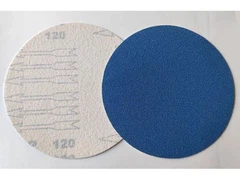
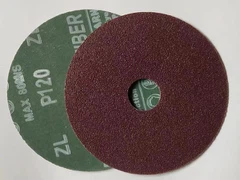
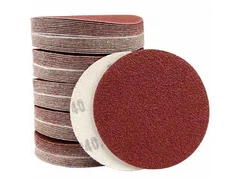


Kx167 Sanding Belt
SHAOXING SHANGYU COATED ABRASIVES CO..LTD is located inLianghuIndustrial Zone of Shangyu District, Shaoxing City,It's a specializedcoated abrasive industrial company that collects designing, developingproducing and selling into integration.
Company with"double horse" and"dark horse","shun source""flying wheel" and other brands as the center. The main production waterproolabrasive paper, silicon carbide sand paper, animal glue emery cloth, half resinemery cloth,resin over resin emerycloth, super coated sandpaper and abrasivecloth, metallographic sand paper and related coating with abrasive products.
Why Choose Us
Professional Team
Horizon decided to state,all take the customer as the center, tale the goocfaith as the basic,in order to prefect for the target.Customer satisfactioris our eternal criteria!
High Quality
The product is widely used in machinery, wood, plastics, electronics, instruments, automobiles, shipbuilding, glass and other fields, and is welcomed by customers at home and abroad.
Rich Experience
The main production waterproolabrasive paper, silicon carbide sand paper, animal glue emery cloth, half resinemery cloth,resin over resin emerycloth, super coated sandpaper and abrasivecloth, metallographic sand paper and related coating with abrasive products.
Factory
SHAOXING SHANGYU COATED ABRASIVES CO..LTD is located inLianghuIndustrial Zone of Shangyu District, Shaoxing City,It's a specializedcoated abrasive industrial company that collects designing, developingproducing and selling into integration.

Flying Wheel Abrasive Cloth In Tock
Abrasive sheets, or sandpaper, is a type of coated abrasive that consists of sheets of paper or cloth with an abrasive material glued to the face. Despite the name, sandpaper isn't manufactured anymore with sand or glass but with other types of abrasives.

Workpiece material:Particularly suitable for carbon steel, high hardness alloy steel, forged steel and cast iron and other metal, stainless steel pipe of various caliber surfaces.

It is widely used in grinding, polishing and finishing for the industries of metallurgy, machinery, automobile, ship building,aviation, light industry, timbering, furniture, building materials, tanning and textile, etc.

Resin Over Resin Abrasive Cloth
Abrasive paper is supplied in roll form, offering a combination of a robust backing and abrasive grains that work in unison to provide superior grinding performance.

Resin Quality Abrasive Cloth Sheet
Semi-resin sanding cloth, as the name suggests, contains a lesser amount of resin bonding as compared to full resin sanding cloth. This type of sanding cloth is more flexible and can conform to irregular surfaces, making it an ideal choice for sanding curved or contoured surfaces.

Animal Glue Abrasive Cloth Sheet
Our flywheel emery cloth is a high quality industrial grade product specially developed to meet all kinds of high precision grinding needs.

Dry Polishing Abrasiv Cloth Sheet
The flywheel emery cloth we offer is a top-tier, industrial-grade abrasive material that has been specifically engineered to cater to the diverse and exacting demands of high-precision grinding tasks.

Our emery cloth is a high quality industrial grade product specially developed to meet all kinds of high precision grinding needs.

Flying Wheel Abrasive Cloth Sheet
Flying wheel brown aluminium oxide cloth waterproof abrasive sandpaper is made with brown aluminium oxide grains, these waterproof 9×11 sheets are high quality kraft-backed/ latex-backed paper.
What Are Kx167 Sanding Belt?
Since its invention, the belt sander has transformed the way in which people work with wood and metal. Thanks to this highly versatile tool, fabricators can quickly and efficiently work in a way that simply wasn't possible before its invention. Kx167 Sanding Belt have taken the hard work out of wood and metalwork, and allow users to perform huge amounts of sanding and grinding without even beginning to break a sweat.
Perhaps the most important, yet often the most overlooked, component of the belt sander are the abrasive Kx167 Sanding Belt. This is the actual part of the belt sander that comes into contact with the workpiece to grind and scrape the layers away from the surface.
Benefits of Kx167 Sanding Belt
Versatility
Sanding belts come in various widths, lengths, and grit sizes, allowing them to be used for different tasks and materials within the automotive industry.
01
Speed
Sanding belts can remove material at a faster rate than hand sanding, which can significantly reduce the overall time required for a repair or restoration project.
02
Improved Finish
With the proper choice of grit and careful use, sanding belts can help achieve a smooth finish that is free from scratches and other imperfections, which is critical for painting and refinishing.
03
Adaptability
Sanding belts can be used with various types of sanders and grinders, including benchtop models and portable units, providing flexibility in the workshop environment.
04
Durability
High-quality sanding belts are made to withstand the rigors of heavy use, offering good durability and a long service life when used and stored correctly.
05
Sanding Belt Material Explained
Natural; Emery, Garnet
Synthetic; Aluminum Oxide, Silicon Carbide, Alumina-Zirconia, Ceramic Aluminum Oxide, Diamonds
Emery is dull black in color. It is hard, round and blocky in structure.
Garnet is a reddish brown in color. It is of medium hardness with good cutting edges and has the tendency to break or refracture when in use, thus creating new cutting edges.
Aluminum Oxide is a brown colored mineral that is tough and durable and the most widely used abrasive grain. It is coated in the entire grade range and is most commonly used in the metal, wood, leather and shoe industries.
Silicon Carbide is a shiny black, sharp, very hard mineral that is coated in the entire grade range. It is used for a wide range of non-ferrous metals such as brass, titanium, the finishing of stainless steel, shoe trades, extensively for sanding primer, sealer, and top coats of paint and clear finishes. It is also the most effective grain for removing primary metal scale.
Alumina-Zirconia is an alloy mineral of aluminum and zirconium oxide that is very effective for coarse grade stock removal of metal and wood.
Diamonds are extremely hard and used to cut ceramics, stone, and very hard metal alloys such as tungsten carbide. Because of high cost, usage is limited to material that cannot be cut with other abrasives.
Type of Kx167 Sanding Belt
Aluminium oxide
Arguably the most versatile of all sanding belt abrasives, aluminium oxide sanding belts are suitable for practically all sanding applications. Available in grits from 36 right up to 400, aluminium oxide is great for working with metals, woods and other materials.

Zirconia
100% synthetic and exceptionally tough, zirconia sanding belts are far sharper and more durable than aluminium oxide. Available in grits from 36 to 120, zirconia sanding belts are typically used with plastics, rubber and fibreglass, along with all types of ferrous and non-ferrous metals.
Ceramic
The long-term performance of ceramic abrasives is outstanding, which like their counterparts can be used on ferrous and non-ferrous metals alike.Ceramic sanding belts are a particularly popular choice for working with stainless steel.
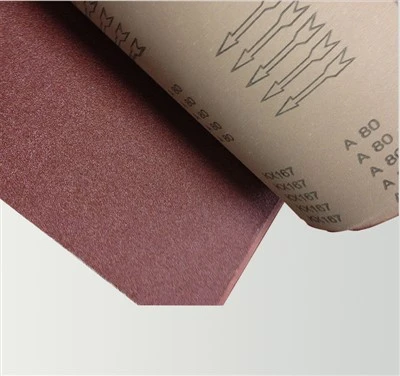
Silicon carbide
The sharpest and hardest of all commercially available abrasives, silicon carbide is ideal for tackling the toughest jobs as quickly as possible. It's also available in an extensive range of grits, from 24 all the way up to 600.
Abrasive belts are widely used in various industries for grinding and polishing applications. They consist of four essential components: the backing material, bonding agent, abrasive grains, and structural form. This article provides an in-depth analysis of these elements and explores the diverse applications of abrasive belts across different industries.The composition of abrasive belts can be categorized into four main elements:
Backing Material: Abrasive belts can be made of various backing materials such as cloth, paper, or composite materials. Each type offers unique properties and is suitable for specific applications.
Abrasive Grains: Abrasive grains determine the cutting and grinding properties of the belt. Natural abrasives like corundum and garnet, as well as synthetic abrasives like aluminum oxide and silicon carbide, are commonly used.
Bonding Agent: The bonding agent holds the abrasive grains in place and provides strength to the belt. It can be animal glue, semi-resin, full resin, or water-resistant products, each offering different adhesive properties.
Structural Form: Abrasive belts can have a seamless structure or feature joints, such as butt joints or lap joints. The choice depends on the specific application requirements.
How Weather Changes Affect Sanding Belts

In general, during sanding and finishing work on wood, veneer, putty, varnish and melamine, abrasive belts with paper supports are used. At first glance these tapes seem resistant, but we should not consider it that way, since their generally paper backside is very sensitive to changes in temperature and humidity.
High humidity in the environment
The presence of high humidity in the environment causes the support of the belt to absorb it as if it were a sponge. This is when the paper loses its rigidity and becomes damp, flaccid, losing part of the resistance necessary for the movements and sanding operations to which the belt is going to be subjected.
Excess moisture is especially visible on the side edges of the abrasive belt, which curve outward. This effect causes unexpected stops in the sander when the belt comes off as a consequence of not being detected by the photocell and activating the emergency brake.
Low humidity in the environment
On the contrary, low or low humidity in the environment is not advisable either. It makes the abrasive material more brittle by over-drying the binders or resins that hold the minerals present in the abrasive belt.
Precautions and Maintenance Kx167 Sanding Belt
Direction of Operation: Align the rotation direction of the abrasive belt with the marked direction on the belt to prevent breakage or damage to the workpiece surface.
Pre-Running: Before use, run the abrasive belt for a few minutes to ensure it operates smoothly and securely. This helps identify any abnormalities or defects in the belt.
Suspension: Before use, suspend the unpackaged abrasive belt on a pipe with a diameter of 100–250mm for 2–3 days. This process helps the belt adapt to its working conditions and maintain its integrity during operation.
Abrasive belts play a vital role in various industries, offering effective grinding and polishing solutions. Understanding the key elements of abrasive belts, their applications, and selecting the appropriate belt for specific projects are essential for achieving desired results. By following proper usage and maintenance guidelines, users can optimize the performance and lifespan of abrasive belts.
Proper selection of the backing material, abrasive grains, bonding agent, and structural form ensures that the abrasive belt meets the specific requirements of the task at hand. Consider factors such as the material being worked on, desired surface finish, and efficiency of material removal when choosing the grit size and bonding agent.
Our Factory
The product is widely used in machinery, wood, plastics, electronics, instruments, automobiles, shipbuilding, glass and other fields, and is welcomed by customers at home and abroad.


FAQ
Q: What is a sanding belt used for?
Q: How does a sand belt work?
Q: What kind of sanding belt for wood?
Q: How long should a sanding belt last?
Q: How do you revive a sanding belt?
Q: How tight should a sanding belt be?
Q: Why do sanding belts break?
Q: Which sanding belt lasts the longest?
Q: What prolongs the lifespan of a sanding belt?
Q: Are ceramic sanding belts good?
Q: What are the different grades of sanding belts?
Q: What is the best tape for joining sanding belts?
Q: Can I make my own sanding belts?
Glue Up! With the tape holding the sandpaper together the plastic backed paper can be glued to the sandpaper. ...
Finished! Simply put it onto your belt sander and test it!
Q: Which sanding belt lasts the longest?
Q: What kind of sanding belts are best for metal?
Q: How do you tighten a sanding belt?
Q: Are sanding belts interchangeable?
Q: Is aluminum oxide better than zirconia for sanding belts?
Q: What is the best type of sanding belt?
Q: Can a broken sanding belt be repaired?
Hot Tags: kx167 sanding belt, China kx167 sanding belt manufacturers, suppliers, factory
You Might Also Like


Send Inquiry